Ornamental · Plantaginaceae
Angelonia
Angelonia angustifolia
Give it full sun and heat, and angelonia will reward you with spires of bloom from summer to fall, no fuss required.
Full sun
USDA 9–11
12–18 in · 30–46 cm
Overview
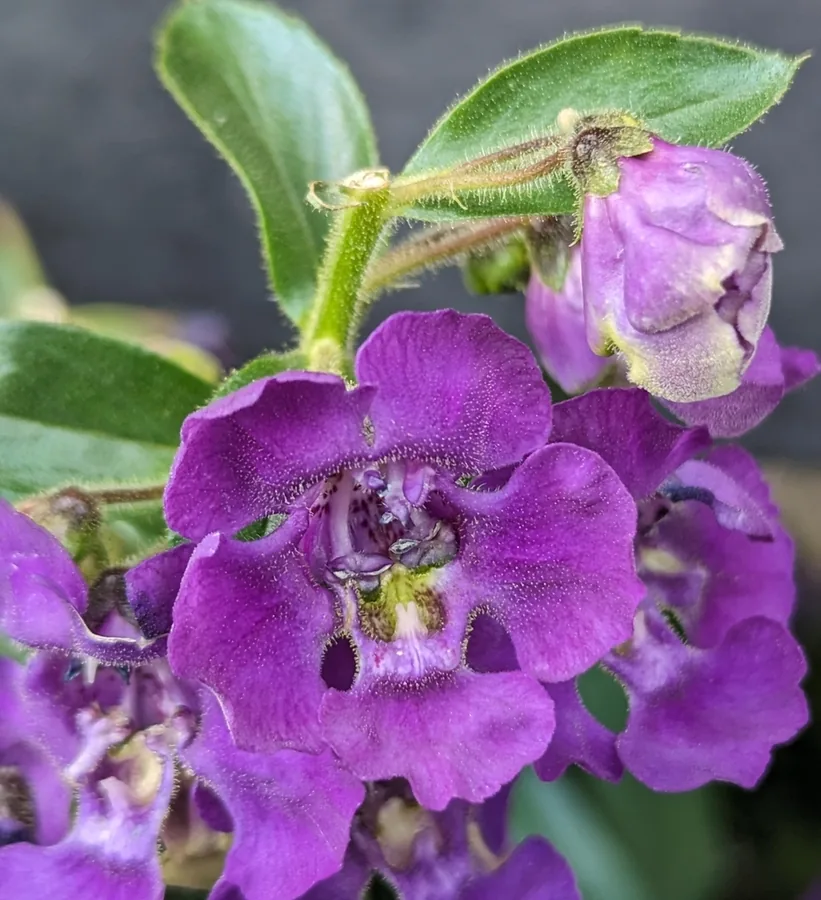
Angelonia, the summer snapdragon, is the kind of plant that makes the heat feel like an ally. When other bedding plants droop and sulk through July, this one keeps lifting slim spires of purple, pink, white, or blue flowers from early summer well into fall. The name hints at snapdragon-like blooms, yet it belongs to the family Plantaginaceae and carries none of a snapdragon's fussiness, which makes it a kind plant to learn on.
It settles into a neat little mound, 12 to 18 inches (30 to 46 cm) tall, and looks lovely in a border, a sweep of mass planting, or a single pot on the step. It is hardy only in zones 9 to 11, so most gardeners simply grow it as a warm season annual and pop in fresh plants each spring. Give it sun and warmth, and it really does ask very little of you in return.
What makes angelonia such a confidence builder is how forgiving it is. Once its roots have taken hold, it shrugs off both drought and humidity, never needs deadheading, and rarely tempts a pest. Plant it where the sun pours in, keep the soil draining freely, and you can mostly let it look after itself while you enjoy the show.
Care
The short version: full sun, warmth, and soil that drains freely are all it really wants. Water it faithfully while it settles in, then let it coast through dry spells once it is established, and give it a gentle shear by half at midsummer if it ever starts to flag.
Light
Angelonia loves full sun and wants all of it you can give. The more direct light it soaks up, the fuller the plant grows and the heavier it blooms, while too much shade leaves it thin, floppy, and slow to flower.
Water
Keep the soil evenly moist while the plant is settling in, then ease right off once the roots have a good grip. From there it copes with dry spells beautifully and the soil can dry between waterings, as long as the drainage stays sharp. Soggy ground is the one thing it truly will not forgive, so lean toward dry over wet.
Soil
Tuck it into moist, fertile soil that drains freely, and you have set it up to thrive. Rich ground fuels that long run of bloom, but standing water opens the door to root rot, so loosen any heavy soil with compost and make sure the water always has somewhere to go.
Humidity
Heat and humid air do not bother angelonia in the least, so there is no number for you to chase. Airflow is what really matters, since still, muggy air around crowded plants is exactly what lets powdery mildew sneak in.
Feeding
Mix a slow-release landscape fertilizer into the soil at planting, then top it up about every two months across the growing season. Where the soil is on the lean side, an occasional liquid feed keeps those flowers coming with no trouble.
Pruning
There is no deadheading to keep up with, since the plant cleans itself. If it begins to stretch or look weary by midsummer, just shear it back by about half and it bounces back into flower within 2 to 3 weeks.
Size & spacing
Each plant reaches 12 to 18 inches (30 to 46 cm) tall and spreads 8 to 12 inches (20 to 30 cm) across. Give every one that much elbow room so air can drift through the planting and mildew stays away.
When to plant
Angelonia lives for warmth and simply has no patience for frost, so timing is your friend here. Start seed indoors in late winter, wait to set plants out until the cold has truly gone and the soil has warmed, and the flowers will keep you company from early summer right through the first chill of fall.
Northern hemisphere
Southern hemisphere
Typical months for a temperate climate: start earlier in warm zones, later where spring frosts linger.
- Sow: Start seed indoors about 6 to 8 weeks before the last spring frost; seed needs light to germinate and sprouts in 7 to 14 days.
- Plant: Transplant outdoors after the last frost when soil and air have warmed.
- Harvest: Blooms from late spring or early summer through early fall (about June to September); allow roughly 13 to 14 weeks from sowing to flower.
Hardiness
USDA hardiness zones: 9–11
Temperature: down to -7°C
Troubleshooting
Take heart, because angelonia is one of the most easygoing annuals you can plant, and almost everything that goes wrong traces back to soggy soil or stale, still air. Get to know the handful of signs below and you can step in nice and early. Match what you are seeing, then act while a little help still makes a difference.
A plant that wilts and folds even though the soil stays wet
If your plant droops while the ground around it is still soggy, the likely cause is Phytophthora root and stem rot, a water mold that takes hold wherever the soil never drains. The roots and the base of the stem go brown and soft, and once it reaches that point there is sadly no bringing the plant back. The kindest move is to lift and toss the worst ones, water far less from then on, and start fresh somewhere the drainage runs sharp.
Fix:
- Remove and discard severely affected plants
- Improve drainage and reduce watering frequency
A soft white dust forming over the leaves and stems
Try not to worry, because this is usually just powdery mildew, a fungus that creeps in when the air sits still and the leaves stay damp too long. You can turn it around by watering down at the soil instead of over the top, opening up any crowded spots so the breeze can pass through, and gently removing the leaves that look the worst. With full sun and a little breathing room, your plant rarely runs into much of it.
Fix:
- Improve air circulation by spacing plants properly
- Avoid wetting foliage and water at the base
- Remove badly affected foliage
New shoots that curl up while tiny insects gather on them
Those little soft specks bunched on the tender tips are aphids, and the sticky shine they leave is just honeydew, so nothing here is beyond fixing. A firm blast of water knocks most of them loose, and if a few keep returning, a follow-up of insecticidal soap settles things. Lady beetles and other helpers tend to finish the job for you, so it pays to go light on the nitrogen that pulls the aphids in.
Fix:
- Dislodge aphids with a strong spray of water
- Apply insecticidal soap if populations are high
- Encourage natural predators such as lady beetles
Toxicity
Here is some lovely news for homes with pets and little ones: angelonia is not listed as toxic. The ASPCA leaves it off its cat and dog lists, and there are no known poisons hiding in the leaves or flowers. A curious nibble might unsettle a sensitive stomach the way any new plant can, but the plant itself is genuinely safe.
Safe for
People · Cats · Dogs · Horses · Rabbits · Livestock · Birds
Cats None
You can relax around angelonia, since it never made the ASPCA's toxic list, and a curious cat that tastes a leaf has nothing to fear.
Dogs None
Dogs are just as safe with it. A big mouthful of leaves could unsettle a tender tummy the way any unfamiliar plant might, but there is no known toxin to worry about here.
Horses Safe
Nothing in angelonia is known to trouble horses, so a grazing bite is nothing to lose sleep over.
Rabbits Safe
Rabbits can nibble the leaves and flowers safely, though a hungry one may chew a young plant right down to the stem.
Livestock Safe
Cattle, goats, and sheep run no known toxic risk from angelonia growing in the pasture or along the border.
Birds Safe
Birds that pick at the foliage or the spent blooms come to no harm from it.
People Safe
Angelonia is grown for its looks rather than the dinner table, but it holds no toxin, so a child who tastes a flower will be just fine.
Varieties
Angelonia turns up in both seed-grown series and vegetative ones, with the latter bred for bigger flowers and kept true by cuttings. A few friendly names show up again and again at the garden center, so they are easy to spot.
Serena and Serenita series
These are compact, seed-grown plants you can find in purple, lavender pink, and white.
Archangel series
Grown from cuttings rather than seed, these carry larger flowers in shades like blue and pink.
Night Sky
Its deep purple flowers come freckled all over with little white dots.
How to propagate
You can make more angelonia from cuttings or from seed, and the choice really just comes down to how much time you have and whether you are hoping for an exact copy of a favorite.
Stem cuttingsEasy
During active growth in the warm season. · A few weeks to root and establish.
If you have a plant you adore, tip cuttings are the gentlest and quickest way to make more of it. Take them while the plant is growing strong in the warm season, set them into a moist medium, and within a few weeks they root and settle right in. This is the same trick growers use to keep the named vegetative series true to their colors.
SeedEasy
Start indoors 6 to 8 weeks before the last frost. · Germinates in 7 to 14 days with light; about 13 to 14 weeks from sowing to flower.
Growing from seed asks for a bit of patience, but it rewards you with plenty of plants. Sow indoors 6 to 8 weeks before the last frost and leave the seed sitting on top, since it needs light to wake up, which it does in 7 to 14 days. From there, give it roughly 13 to 14 weeks from sowing until those first flowers arrive.
Myths
Angelonia needs constant deadheading to keep blooming.
Happily, angelonia tidies up after itself and keeps right on flowering with no deadheading from you at all. Should it look a touch tired by midsummer, a single shearing by half refreshes the bloom within 2 to 3 weeks.
Angelonia is a true snapdragon.
The pet name summer snapdragon really only points to the shape of the flower, not to any shared family. It is Angelonia angustifolia in the family Plantaginaceae, with no kinship to the true snapdragon, Antirrhinum.