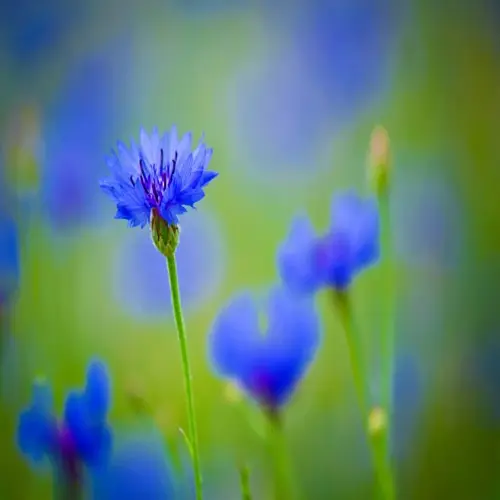

Anthocyanins, the pigments behind every purple petal, are unstable to heat, light and pH. That is the short answer. Purple flowers fading by August is the pigment doing what pigments do, and your watering can has little to do with it. The same compounds color pink, red and blue blooms, so none of those shades sit still either.
I planted purple coneflower along a south fence in a zone 5b southern Wisconsin garden, and it opens June through August every year. By the third week of July those flowers read a shade paler than the same plants did in June, on ground that got the same water all season. What changed over those weeks was the July heat, not the plant.
Pull the three stressors apart and each one works in its own way. Heat comes first, because anthocyanin stability drops as temperature climbs, and a run of hot, bright afternoons costs you more color than a cool week does. Light is second, and it lands hardest on the petals facing open sky. The third one surprises people. The pH that sets the final color sits inside the plant's own cell vacuole, not in the garden soil you test each spring.
Petunia makes the point better than any purple in my beds. Acidify the vacuole in a petunia and the flower turns red, with the same pigment sitting in the same cell doing the same job. The fine chemistry pushes the same direction. More hydroxyl groups on the pigment's B ring shift it bluer, and methyl groups shift it redder. None of the three stressors acts alone either. A hot bright week is heat and light at once, and the petal takes both.
Over one season these flower color changes follow a rhythm you can watch from the porch. Deep purple in June. A softer lavender through the hottest stretch of summer, then a bit of the depth back in September once the nights cool off. Two blooms on the same stem can differ by a shade. A catalog photo shot in one perfect week of June tells you almost nothing about how that plant will look in your yard in August.
Purple flowers fading through a hot spell is usually the pigment rather than a sick plant, and you do have some control here. It comes down to where the plant sits. A purple that bakes from noon until dusk gives up color faster. The same plant with afternoon shade holds its tone longer, so put it on the east side of a fence or in the shadow line of a taller perennial. Nothing you pour on the soil reaches the pH inside the petal. Heat and light on the flower are the two levers you actually own.
Buy one plant of a new purple cultivar, not ten. Look at it in June, then again in the first week of August, before you commit a whole border to it.
Watch one stem instead of the whole bed. Note the color in June, then check that same plant in the first week of August, when the heat has had its full run at it. A cultivar that reads deep both times has earned more room next spring. One that goes pale after a single hot week is asking for a cooler spot.
Judge a purple across a full season in your own conditions before you call it a failure. And check the petal surface before you blame lost pigment. Conical epidermal cells bounce light back differently than flat ones, so a plant loaded with anthocyanin can still read as washed out to your eye. The color you see is a reading of conditions, not a fixed property of the molecule.
Read the full article: 10 Purple Flowers Worth Planting