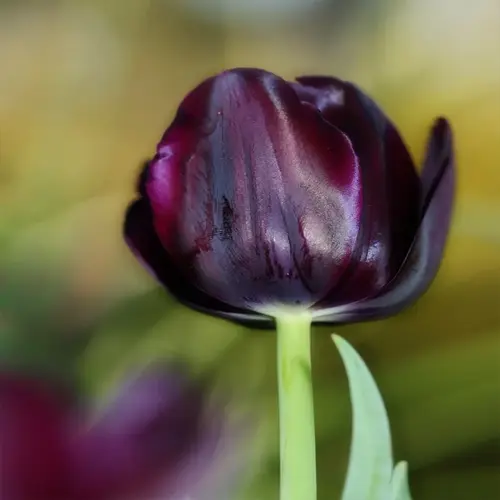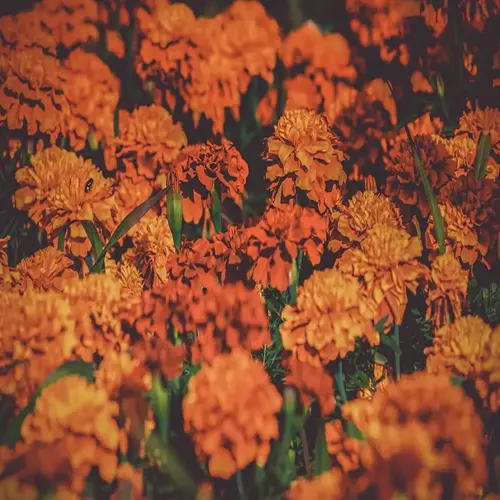

Red pops for a bird. A bee barely sees the same petal. A 2020 study in Annals of Botany put a number on the gap. Red petals scored more than 10 JNDs to a bird and 1.07 to a bee, and a JND is one step of clear difference. So the bloom that shouts across your yard half sinks into the leaves for an insect. But the plants on any hummingbird red flowers list share more than color. You get a shape, a nectar load and a missing scent, and those traits pull just as hard.
A male dropped onto the bee balm I planted three springs ago. He worked the second whorl dry in about four seconds, then cleared my own fence. Wings beat up to 200 times per second at that size. Fuel goes fast at that rate. A bird that light has to keep finding large amounts of high-energy nectar, and the traffic in your yard peaks through the spring and summer nesting season.
Hovering is the expensive part of the job. A bird holds still in the air and burns fuel every second. So a flower with a thin sip is not worth the trip across your yard. Bird flowers answer with ample nectar set deep inside the bloom rather than near the mouth. You want plants that pay for a whole stop, because that is what puts your yard on a daily route. One good vine will hold a bird longer than six weak plants.
A ruby-throated hummingbird runs about 3 inches (7.5 cm) long and weighs as little as a penny. Wings at that rate on a body that light explain why nectar volume beats good looks. The long tongue sips nectar from well inside a bloom, so a deep tube costs your bird nothing and keeps the whole meal in one spot. Shallow bedding flowers give you a quick look and little else.
The full trait set is narrower than you might expect. Bird flowers run scarlet, orange, red or white. You get no odor at all and none of the dark lines that steer a bee to the center, and you get plenty of nectar hidden deep. And you get a large funnel like bloom with strong perch support. That is why the tubular flowers hummingbirds work look more like a trumpet than a saucer.
Coral honeysuckle matches the color and the shape on that checklist. Plant one in zones 4 to 10 and you get a vine that climbs to 15 feet (4.6 m). A single trellis then blooms at the height your birds already fly. Cardinal flower runs zones 3 to 9 and wants damper ground than you give the vine, and it depends on hummingbirds alone for pollination.
One red plant pulls birds only while it is in bloom, and then the visits stop. Pick hummingbird garden plants that hand bloom off to each other, so something stays open from spring through the nesting months when your birds need nectar most. Two or three species with staggered bloom beat one showy plant every time. The gaps between bloom windows are where most yards lose their birds.
Stop worrying about the exact shade once you have the shape right. Most hummingbird red flowers pull birds on build as much as on color. Birds work red, orange and pink just as well. A coral trumpet with deep nectar pulls birds like a scarlet one, so judge your plant by the tube and the nectar it holds. Color gets your bed noticed from across the yard.
Read the full article: 10 Red Flowers and What Makes Them Red