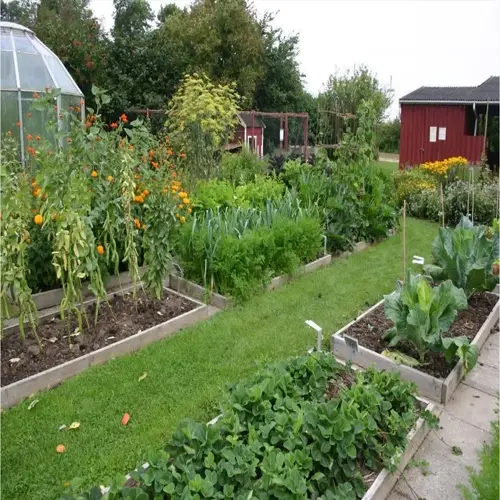

The typical rain garden establishment time is two full growing seasons before plants fill in and performance peaks. Your garden will look sparse and bare in year one. By the end of year two, the canopy closes and roots grow deep. The basin starts handling storms the way you planned.
I tracked my own rain garden from the day I planted it and the first year tested my patience. During the rain garden establishment period, I watered every single week for the first two months. Weeds popped up faster than the native plugs could grow, so I pulled handfuls every few days to keep them from choking out the transplants. Four of my plants didn't survive the first winter, leaving gaps I had to fill with new plugs the following spring. That first year felt like more work than building the garden in the first place.
The rain garden establishment period takes patience because roots need a full season to grow deep. Your native plugs arrive with roots only 3-4 inches (7.5-10 centimeters) long. They need one full growing season to push down 12-18 inches (30-45 centimeters) to where soil stays moist between rains. Until those roots get deep, your plants depend on you for water during every dry spell. Above ground, canopy coverage sits around 50-60% at the end of year one. That leaves bare soil where weeds take hold fast.
Year two brings the payoff. My swamp milkweed tripled in size. The joe-pye weed shot up to 5 feet (1.5 meters) tall. Black-eyed Susans seeded into every open patch on their own. By August of year two, I measured canopy coverage at about 90-95% across the basin. Penn State Extension backs this up. They note that most rain gardens reach 90-97% canopy by the end of year two with regular care. Your weeding drops off fast once the canopy shades out bare soil.
Year One Spring and Summer
- Watering schedule: Water deep once per week for the first 8-10 weeks after planting, giving each plant about 1 gallon (3.8 liters) per session.
- Weed control: Pull weeds by hand every 3-5 days before they set seed and compete with your native plugs for sunlight and moisture.
- Plant monitoring: Expect to lose 10-25% of transplants in the first season from transplant shock, vole damage, or late frosts.
Year One Fall and Winter
- Leave stems standing: Don't cut back dead stems because native bees overwinter inside hollow stalks and birds eat seed heads through winter.
- Mulch refresh: Add a thin layer of shredded bark if bare soil shows through, but keep mulch 2-3 inches (5-7.5 centimeters) deep maximum.
- Note losses: Mark any dead plants so you know which spots to fill with new plugs as soon as the ground thaws in spring.
Year Two Growing Season
- Replace losses: Plant new plugs in gaps left by first-year losses as soon as frost danger passes in your zone.
- Reduced watering: Established roots can handle most dry spells on their own, so only water during droughts lasting 2 weeks or more.
- Canopy closure: Expect 90-97% plant coverage by late summer, which shades out weeds and signals the garden has reached full establishment.
You can cut establishment stress with three tactics for new rain garden care. First, plant in spring or early fall when temps stay mild and rain comes often. Avoid midsummer planting because heat kills fresh plugs fast. Second, mulch your entire basin 2-3 inches (5-7.5 centimeters) deep right after planting. That mulch holds moisture, blocks weeds, and shields roots. Third, water deep rather than often. One slow soak per week pushes roots to grow down instead of staying near the surface.
After year two, your new rain garden care routine shrinks to a few seasonal tasks. Pull any invasive weeds in spring before they spread. Cut back dead stems in late March after overwintering insects come out. Refresh mulch every other year in bare spots. The heavy lifting ends once the canopy closes. Your roots anchor deep enough to survive on rainfall alone. Give your garden those first two dedicated years and it rewards you with a decade or more of easy stormwater control.
Read the full article: Rain Garden Guide for Homeowners