

Introduction
You walk out to your garden one morning and spot white powdery spots on leaves that looked fine just 2 days ago. That dusty white coating is powdery mildew. It's one of the most common plant fungal disease problems on the planet. This fungus alone hits over 10,000 species around the world.
I've spent over a decade fighting powdery mildew in my own garden. I watched it wipe out entire squash harvests in a single season. The spores float through the air like invisible dust and land on your leaves like uninvited guests. Once they settle in, they can produce new spores in just 48 hours. That speed catches most gardeners off guard.
The damage goes far beyond a few ugly leaves in your backyard. Grapevine growers can lose up to 100% of their crop to this fungus, and wheat farmers face yield cuts of up to 50%. Disease cases have roughly doubled in the past 2 decades, so the problem is getting worse for everyone who grows plants.
This guide gives you proven treatments and prevention tactics that work against powdery mildew in real gardens. You'll learn what causes it and how to stop it fast. You'll also find out how to keep it from coming back next season.
Powdery Mildew Signs and Cycle
Catching the signs of powdery mildew before it spreads is the key to saving your plants. The powdery mildew symptoms start small but move fast. A single spore can land on a leaf and build a full colony that makes new powdery mildew spores in just 48 hours.
The first thing you'll notice is white powdery spots on leaves that look like someone dusted them with flour. These spots grow larger over a few days and merge into thick patches. The fungus sits on top of the leaf. It sends tiny feeding tubes down into the cells below to steal nutrients from your plant.
Knowing the powdery mildew life cycle helps you break it at the right time. The fungus survives winter inside small dark resting bodies in your fallen leaves and old plant debris. Those resting bodies crack open when temperatures climb above 60°F in spring. The spores then float out into the wind.
When I first noticed signs of powdery mildew in my garden, I made the mistake of waiting to act. The white patches spread from 3 squash leaves to 20 in less than a week. Young tender growth takes the hardest hit because soft new tissue gives the fungus an easy entry point. Check your plants often so you can spot trouble early.
8 Powdery Mildew Treatments
Finding the right powdery mildew treatment can save your plants from serious damage. I've tried dozens of powdery mildew spray options over the years. Some organic fungicide choices work just as well as the chemical ones. One key fact most gardeners miss is that no treatment can cure leaves that are infected. You can only protect new growth.
Rotate your treatments so the fungus doesn't build fungicide resistance over time. Some strains have developed resistance to common chemical sprays. Start your powdery mildew treatment at the first sign of white spots. Keep spraying every 7 to 14 days for the best results.
Potassium Bicarbonate Spray
- How it works: Potassium bicarbonate raises the leaf surface pH to levels that prevent powdery mildew spores from germinating and establishing new colonies on your plants.
- Mixing ratio: Dissolve 1 tablespoon of potassium bicarbonate and half a teaspoon of liquid soap in 1 gallon (3.8 liters) of water for a ready-to-spray solution.
- Application: Spray all leaf surfaces thoroughly every 7 to 14 days starting at the first sign of white spots, covering both the tops and undersides of leaves.
- Effectiveness: University research shows potassium bicarbonate performs better than baking soda and can match the results of some systemic chemical fungicides in controlled trials.
- Best for: Vegetable gardens, herb beds, and edible crops where you want an effective treatment that leaves no harmful residues on food you plan to harvest.
- Precaution: Always test on a few leaves first and avoid spraying during the hottest part of the day, as the solution can cause minor leaf burn on sensitive plants in direct sunlight.

Milk Spray Solution
- How it works: Milk proteins create an antiseptic effect when exposed to sunlight, producing free radicals that damage powdery mildew fungal cells on contact with the leaf surface.
- Mixing ratio: Combine 1 part whole milk or skim milk with 9 parts water to create a 10% milk solution that is safe for all plant types.
- Application: Spray generously on affected plants in the morning when sunlight will activate the milk proteins, repeating every 7 to 10 days throughout the growing season.
- Effectiveness: Multiple studies indicate milk for powdery mildew works as well as or better than baking soda alone, making it a surprisingly effective organic option for home gardeners.
- Best for: Squash, zucchini, cucumbers, and other cucurbits that are highly susceptible to powdery mildew and benefit from frequent preventive treatments.
- Precaution: Use fresh milk rather than expired milk to avoid unpleasant odors, and apply in the morning so leaves dry fully before evening to prevent other fungal issues.

Neem Oil Treatment
- How it works: Neem oil powdery mildew treatment disrupts the life cycle by preventing spore germination and blocking fungal growth on the leaf surface.
- Mixing ratio: Mix 2 tablespoons of cold pressed neem oil with 1 teaspoon of liquid soap in 1 gallon (3.8 liters) of warm water, shaking before each use.
- Application: Spray every 7 to 14 days as a preventive measure or every 5 to 7 days for active infections, covering all plant surfaces including stems and leaf undersides.
- Effectiveness: Neem oil serves as both a fungicide and an insecticide, providing dual protection that makes it one of the most versatile organic garden treatments available.
- Best for: Roses, ornamental flowers, and landscape plants where you want ongoing protection against powdery mildew and common insect pests at the same time.
- Precaution: Never apply neem oil in temperatures above 90°F (32°C) or in direct midday sun, as this can cause severe leaf burn on treated plants.
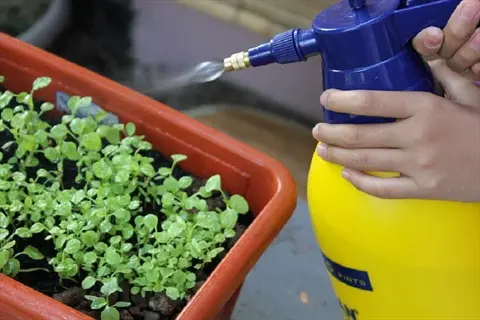
Baking Soda and Oil Mix
- How it works: Baking soda for powdery mildew raises the pH on leaf surfaces to create an alkaline setting that slows fungal growth, while horticultural oil helps it stick.
- Mixing ratio: The Cornell formula calls for 1 tablespoon baking soda plus 2.5 tablespoons horticultural oil in 1 gallon (3.8 liters) of water with a drop of liquid soap.
- Application: Apply as a preventive spray every 7 to 14 days before symptoms appear, or at first sight of white powdery spots on any leaf surface in your garden.
- Effectiveness: Baking soda alone provides moderate protection, but combining it with horticultural oil boosts its ability to stick to leaves and suppress fungal growth.
- Best for: Budget gardeners who want a cheap treatment using common household items that are safe for use on both edible and ornamental plants.
- Precaution: Too much use can lead to sodium buildup in soil over time, so consider switching to potassium bicarbonate for long term treatment in the same garden beds.
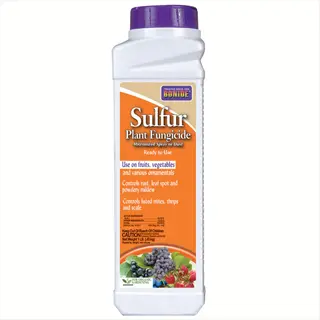
Sulfur-Based Fungicide
- How it works: Sulfur disrupts cellular respiration in powdery mildew fungi by getting in the way of enzyme activity, providing both preventive and early stage action on treated surfaces.
- Mixing ratio: Follow the manufacturer label for concentration, as sulfur fungicides come in wettable powder, dust, and liquid concentrate forms with varying rates.
- Application: Begin applications in spring as new growth emerges and repeat every 7 to 10 days, ensuring thorough coverage on all plant surfaces before symptoms develop.
- Effectiveness: Sulfur is one of the oldest and most proven fungicides, recognized by university extensions across the country as a reliable low impact organic fungicide option.
- Best for: Grapevines, fruit trees, and ornamental gardens where powdery mildew is a recurring seasonal problem that requires consistent preventive treatment throughout the growing season.
- Precaution: Never apply sulfur within 2 weeks of an oil spray application, as the combination can cause severe plant damage and leaf burn on sensitive varieties.
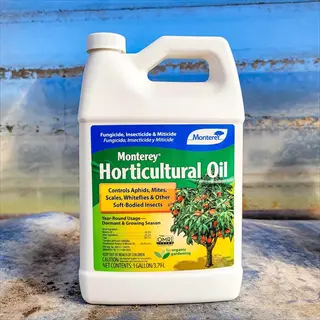
Horticultural Oil Spray
- How it works: Horticultural oils smother powdery mildew spores and fungal threads on contact by coating them in a thin film that blocks oxygen exchange and stops further growth.
- Mixing ratio: Mix 2 to 4 tablespoons of refined horticultural oil per 1 gallon (3.8 liters) of water, following the specific product label for your chosen brand.
- Application: Spray in the early morning or late evening to avoid leaf burn, coating all plant surfaces every 7 to 14 days throughout the active growing season.
- Effectiveness: Horticultural oils provide moderate suppression of powdery mildew and work best as part of a combined treatment approach alongside other organic fungicide options.
- Best for: Indoor plants, greenhouse crops, and container gardens where precise application and minimal chemical residue are top concerns for the grower or household.
- Precaution: Avoid applying during extreme heat above 90°F (32°C) or when plants are low on water, as this raises the risk of leaf damage.

Tea Tree Oil Solution
- How it works: Tea tree oil contains compounds that block powdery mildew spore germination and fungal growth on treated plant tissues.
- Mixing ratio: Add 1 tablespoon of tea tree oil and 1 teaspoon of liquid soap to 1 gallon (3.8 liters) of water, mixing well before each spray application.
- Application: Spray every 7 to 10 days at the first sign of infection, focusing on the newest growth where powdery mildew tends to take hold most fast.
- Effectiveness: Research published in Molecular Plant Pathology shows tea tree oil provides up to 80% protection against powdery mildew when applied at proper concentrations.
- Best for: Gardeners seeking a natural essential oil option instead of synthetic fungicides, with great results on herbs and vegetables where clean treatment is a top concern.
- Precaution: Tea tree oil can irritate skin and eyes during mixing, so wear gloves and eye protection, and always dilute to avoid burning delicate plant foliage.
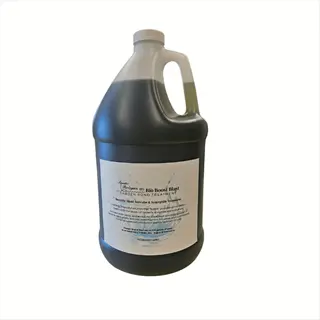
Biological Control Agents
- How it works: Helpful bacteria like Bacillus subtilis live on leaf surfaces and compete with powdery mildew for space and nutrients, blocking the pathogen from taking hold.
- Mixing ratio: Follow the product label for biological fungicides, as concentrations vary by brand and the specific helpful organism in each product.
- Application: Apply as a preventive powdery mildew spray before the disease appears, since biological agents need time to build up on plant surfaces before they can protect.
- Effectiveness: Research shows mycorrhizal fungi achieved 78% reduction in powdery mildew colonies in wheat, and bacterial agents can reduce symptoms by up to 80% in field trials.
- Best for: Organic farms, green gardens, and growers who want to build long term plant health through helpful microbial communities rather than relying on repeated chemical applications.
- Precaution: Biological controls work best as part of a mixed approach and should not be combined with chemical fungicides that could kill the helpful organisms you are trying to grow.
Switch between 2 or 3 different treatments each week so the fungus can't adapt. I rotate neem oil and potassium bicarbonate in my own garden. This simple switch has kept my plants clean for 3 seasons now.
Causes and Conditions
Most gardeners ask what causes powdery mildew to show up in their garden year after year. The answer comes down to a few key powdery mildew conditions that this fungus loves. Learn the temperature range for powdery mildew and you can make your garden a much harder target.
The biggest surprise is that powdery mildew doesn't need wet leaves to infect your plants. Most fungal diseases need rain or water on leaves to spread. Powdery mildew is the opposite. It does best when daytime air is dry but nighttime humidity and powdery mildew go hand in hand. The spores form at night when humidity climbs above 90% and then spread during the dry daytime hours.
I noticed this pattern in my own garden after tracking the weather for 2 seasons. The worst outbreaks came after strings of warm days around 70°F to 80°F followed by cool humid nights. Poor air circulation made things worse because crowded plants trap moisture between the leaves. Spacing your plants out and pruning for airflow helps cut down on those humid pockets.
Shade is another major trigger that catches people off guard. Plants tucked under trees or against fences get less sun and more trapped moisture. Full sun for at least 6 hours a day dries the air around your plants and makes it harder for spores to take hold. Move your most at risk plants to sunnier spots if you can.
Prevention Strategies
Powdery mildew prevention saves you far more time than treating an active outbreak. I learned how to prevent powdery mildew the hard way after losing a full row of squash. Better habits would have saved those plants. A few simple changes to your garden setup make a huge difference in keeping this fungus away.
Good air circulation for plants is the single best thing you can do. Proper plant spacing lets air flow between your crops and keeps humidity low around the leaves. When I started to prune for airflow in my garden beds, my powdery mildew problems dropped by more than half. You should also avoid overhead watering since it raises the humidity around your plants.
Improve Air Circulation
- Why it matters: Stagnant air traps humidity around leaves and creates the perfect microclimate for powdery mildew spore formation and germination on plant surfaces.
- What to do: Space plants according to their mature size, not their transplant size, and prune interior branches to allow air to flow freely through the canopy.
- Expected result: Proper air circulation keeps leaf surfaces drier during the day, reducing the nighttime humidity that powdery mildew spores need to germinate.
Choose Sunny Locations
- Why it matters: Powdery mildew thrives in shaded areas where humidity stays high and sunlight cannot dry leaf surfaces or generate the ultraviolet exposure that kills fungal spores.
- What to do: Plant susceptible species in locations that receive at least 6 hours of direct sunlight daily, and remove overhanging branches that cast shade on your garden beds.
- Expected result: Full sun exposure reduces humidity at the leaf surface and creates conditions that are less favorable for powdery mildew establishment and spread.
Manage Nitrogen Fertilizer
- Why it matters: Excess nitrogen promotes rapid growth of soft, succulent tissue that is highly susceptible to powdery mildew infection compared to mature, hardened-off foliage.
- What to do: Avoid applying nitrogen-heavy fertilizers after midsummer, and use balanced or slow-release formulas that support steady growth without producing excessive tender shoots.
- Expected result: Plants with balanced nutrition produce tougher leaves and stems that resist fungal penetration, reducing your need for treatment sprays throughout the season.
Remove Infected Debris
- Why it matters: Powdery mildew survives winter in resting structures called chasmothecia hidden in fallen leaves and plant debris, ready to release spores again in spring.
- What to do: Rake up and dispose of all infected plant material in the trash rather than composting it, since home compost piles rarely reach temperatures high enough to kill the fungus.
- Expected result: Removing overwintering sites breaks the disease cycle and significantly reduces the number of spores available to infect your plants the following spring.
Water Plants Properly
- Why it matters: While powdery mildew does not need wet leaves to infect, overwatering raises the overall humidity around plants and creates conditions that promote spore formation.
- What to do: Water at the base of plants using drip irrigation or soaker hoses in the early morning, allowing excess soil moisture to evaporate before the cooler evening hours.
- Expected result: Targeted watering keeps roots hydrated without raising humidity at the canopy level, making the growing environment less hospitable for powdery mildew establishment.
Resistant Plant Varieties
Choosing powdery mildew resistant plants is the smartest long term fix for this problem. I tried disease resistant varieties in my own garden 4 years ago and haven't sprayed a single fungicide on those plants since. Plant breeders have made strong progress because resistance traits pass down to new plants at high rates.
The list below gives you specific resistant cultivars sorted by plant type. Take this list with you next time you shop at the nursery. Picking the right variety now saves you years of treatment costs and effort down the road. Mildew resistant roses and resistant phlox are some of the easiest swaps you can make.
Resistant Tree Varieties
- Crape Myrtle: The Natchez variety produces white flowers and shows strong resistance to powdery mildew, making it ideal for landscapes where this disease is a persistent annual problem.
- Flowering Dogwood: Stellar Pink is a hybrid dogwood with proven powdery mildew resistance that also offers beautiful pink blooms and reliable performance across multiple growing zones.
- Additional options: Many newer crape myrtle cultivars in the National Arboretum series including Tuscarora and Muskogee also show good resistance in university trial evaluations.
Resistant Perennial Flowers
- Garden Phlox: The cultivar David is one of the most reliable powdery mildew resistant phlox varieties and produces abundant white blooms from midsummer through early fall.
- Bee Balm: Look for mildew resistant monarda cultivars like Jacob Cline and Raspberry Wine that maintain clean foliage throughout the growing season without fungicide sprays.
- Black Eyed Susan: Most rudbeckia varieties show natural resistance to powdery mildew and thrive in the full sun conditions that also discourage fungal growth in your garden.
Resistant Vegetable Varieties
- Squash and Zucchini: Powdery mildew resistant squash varieties are now available from major seed companies, so check seed catalogs for PM resistant labels on cucumber family crops.
- Peas: Several snap pea and garden pea varieties have been bred with improved powdery mildew resistance, reducing the need for fungicide applications during the growing season.
- Melons: Cantaloupe and watermelon varieties with PM resistance genes are now common in commercial seed catalogs and perform well in home garden conditions across most growing zones.
Resistant Rose Cultivars
- Knockout Series: The Knockout rose family has become popular because of its excellent disease resistance including strong tolerance to powdery mildew in most growing conditions.
- Shrub Roses: Many modern shrub roses bred for disease resistance outperform older hybrid tea varieties that were selected for flower form and fragrance rather than fungal tolerance.
- Selection tip: When shopping for mildew resistant roses, pick varieties rated for disease resistance in your specific region, as powdery mildew pressure varies between climates.
You don't have to replace every plant in your garden at once. Start with the ones that get hit the hardest each year. Swap those out for resistant cultivars and you'll see results in your first season.
Powdery Versus Downy Mildew
Many gardeners mix up these 2 types of mildew on plants and end up using the wrong treatment. I made this exact mistake my first year growing cucumbers and wasted weeks spraying the wrong product. Getting your fungal disease identification right from the start saves you time, money, and a lot of dead plants.
The difference between powdery and downy mildew comes down to where they grow and what conditions they need. Powdery mildew vs downy mildew is not just a naming issue. Powdery mildew sits on top of the leaf and loves dry air. Downy mildew grows inside the leaf tissue and needs wet surfaces to spread. Use the table below to figure out which one you have.
The quickest way to tell them apart is to check where you see the growth. If the white or gray coating sits on top of the leaf like dust, you have powdery mildew. If you see fuzzy growth on the bottom of the leaf with yellow patches on top, that's downy mildew. Each one needs its own treatment plan.
5 Common Myths
Powdery mildew needs wet leaves and rain to spread and infect your garden plants successfully.
Unlike most fungal diseases, powdery mildew does not require free water on leaf surfaces and actually spreads best in dry conditions with high humidity.
Spraying fungicide on visible powdery mildew will cure the infection and restore the damaged leaves.
Fungicides only prevent new infections from forming and cannot cure or remove existing powdery mildew colonies that are already established on your plants.
If one plant has powdery mildew, every plant in your garden will catch it within days.
Powdery mildew fungi are host-specific, meaning the species on your roses cannot infect your squash or other unrelated plants nearby.
Composting infected plant material will destroy the powdery mildew spores and make safe compost.
Home compost piles rarely reach temperatures high enough to kill powdery mildew resting structures, so infected debris should be discarded in the trash instead.
Adding extra nitrogen fertilizer will help your plants fight off powdery mildew infections more effectively.
Late-season nitrogen fertilizer actually increases powdery mildew susceptibility by promoting tender succulent growth that the fungus prefers to infect.
Conclusion
Powdery mildew is a tough enemy but you now have every tool you need to beat it. The most important lesson from this guide is that powdery mildew prevention works far better than any cure. No fungicide can fix leaves that are infected. You can only protect new growth by catching the problem early.
Your best powdery mildew treatment plan combines smart garden habits with the right sprays. I've found that spacing plants for airflow makes the biggest impact. You can also rotate 2 or 3 organic fungicide options and pick resistant varieties. Biological controls cut infections by up to 80% and give you even more plant disease control choices.
Spores can reproduce in just 48 hours after landing on a leaf, so early action is everything. Check your plants every few days during warm weather. The moment you spot white patches, grab your spray bottle and get to work. Waiting even a week can let the fungus spread to your whole garden.
Disease cases have doubled over the past 2 decades. Powdery mildew prevention matters more now than ever. You have the knowledge to fight back. Put these steps into practice this season and your plants will thank you with stronger growth and bigger harvests.
External Sources
Frequently Asked Questions
Should I worry about powdery mildew?
Powdery mildew is rarely fatal to established plants, but it weakens them over time by reducing photosynthesis and stunting growth.
Which fungicide is best for powdery mildew?
Potassium bicarbonate and sulfur-based fungicides are among the most effective options for home gardeners.
Is vinegar or baking soda better for powdery mildew?
Baking soda mixed with horticultural oil is generally more effective and less likely to damage plant tissue than vinegar.
Why does powdery mildew only attack certain plants?
Powdery mildew fungi are host-specific obligate parasites, meaning each species can only infect a narrow range of related plant hosts.
What kills powdery mildew fast?
Potassium bicarbonate sprays and sulfur fungicides act quickly to stop powdery mildew from spreading further.
Can I just wash off powdery mildew?
Washing with water can temporarily reduce spore counts, but the fungus feeds through structures beneath the leaf surface.
Will powdery mildew come back every year?
Yes, the fungus survives winter in resting structures called chasmothecia and can also arrive on wind-blown spores from far away.
Is powdery mildew on vegetables safe to eat?
Powdery mildew on vegetables is not toxic to humans, but heavily infected produce may taste bitter and have reduced nutritional value.
How quickly does powdery mildew spread in a garden?
Powdery mildew can produce new spores within 48 hours of landing on a leaf, spreading rapidly across susceptible plants in warm humid conditions.
Is powdery mildew caused by overwatering?
Overwatering does not directly cause powdery mildew, but the excess humidity it creates can encourage spore formation.