
Introduction
Water filtration plants: processes and importance is our topic today. The title has two meanings that both matter for your clean water. It covers big treatment centers and real botanical plants that clean water with their roots. This guide helps you if you garden or just want to learn more about how water gets treated.
Clean water is a global issue you should know about. UN data shows 42% of wastewater enters lakes and rivers without any treatment. That adds up to 113 billion cubic meters each year. Both treatment centers and wetland plants help solve this crisis for your community.
I spent years learning how plants clean water in wetlands. Cattails and water hyacinths absorb the same toxins that machine filters target. Nature made the first water cleaning system long before humans built any centers. This phytoremediation process still works great today when you plant the right species.
You will first learn about botanical plants you can grow in your pond or rain garden for natural water filtration. These living filters use their roots to pull out bad stuff from the water. Then you get the full drinking water treatment process used at big centers. Home systems come last so you know your options. Each method helps create safer water for you and your family every single day.
8 Plants for Natural Water Filtration
Before we cover industrial water filtration plants, let's look at the original meaning. Real botanical plants clean water through their root systems. I've watched these living filters work in my own pond for years. You can grow them at home for natural water filtration that costs you nothing after the first season.
Aquatic plants and wetland plants clean water by pulling toxins into their roots. I've seen constructed wetlands cut nitrogen by 40% to 90% in real tests. Phytoremediation works great for you. That makes water purifying plants a real tool for your pond or garden.
Think of these plants as living versions of machine filters. Cattails work like carbon filters by trapping toxins in their tissues. Water hyacinths act like membrane filters that grab tiny particles. Bulrush roots work like settling tanks where sediments collect. Nature figured out water treatment long before you or I were born.
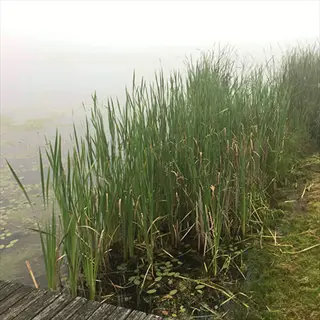
Cattails
- Filtration ability: Cattails excel at absorbing excess nitrogen and phosphorus from water through their extensive root systems, reducing nutrient pollution that causes algae blooms.
- Growth habit: These tall emergent plants reach 1.5-3 meters height and spread fast through rhizomes, taking over low water areas up to 30 centimeters deep.
- Pollutant uptake: Research shows cattails can accumulate heavy metals including lead, zinc, and cadmium in their tissues, effectively removing these toxins from contaminated water.
- Maintenance needs: Harvest mature stalks annually to permanently remove absorbed pollutants from the system and prevent nutrient release when plants decompose in water.
- Growing conditions: Plant in full sun with roots submerged in 5-30 centimeters (2-12 inches) of standing water, tolerating a wide range of soil types from sand to clay.
- Best applications: Ideal for pond edges, rain gardens, and constructed wetlands where they provide both filtration benefits and wildlife habitat for birds and beneficial insects.
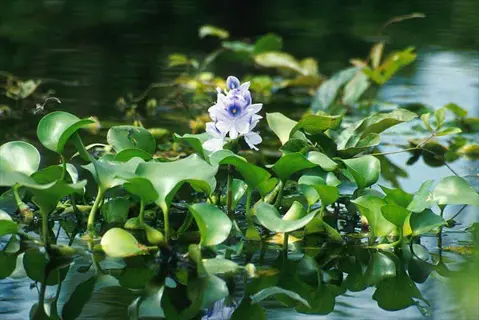
Water Hyacinth
- Filtration ability: Water hyacinths rank among the most efficient aquatic plants for removing nitrogen, phosphorus, and heavy metals from polluted water through rapid nutrient uptake.
- Growth rate: These floating plants double their population every 6-14 days in good conditions, creating dense mats that shade water and prevent algae growth.
- Pollutant uptake: Studies document water hyacinth removing up to 60-80% of nitrogen and significant quantities of copper, lead, and mercury from contaminated water sources.
- Maintenance needs: Regular harvesting prevents overgrowth that depletes oxygen levels and ensures absorbed pollutants are permanently removed rather than recycled when plants decay.
- Growing conditions: Requires warm temperatures above 10 degrees Celsius (50 degrees Fahrenheit) and full sun, making it suitable for tropical and subtropical climates or summer use in temperate regions.
- Best applications: Effective in wastewater treatment ponds and aquaculture systems, though regulated as invasive in many areas requiring contained use to prevent ecosystem damage.
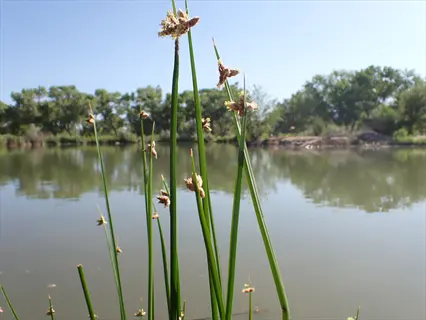
Bulrushes
- Filtration ability: Bulrushes filter water by trapping sediments in their dense root networks while absorbing dissolved nutrients and providing surface area for beneficial bacteria growth.
- Growth habit: Reaching heights of 1-3 meters, bulrushes form thick stands that slow water flow. This increases contact time with filtration zones.
- Pollutant uptake: These plants remove suspended solids and nitrogen compounds. They can tolerate contaminated water from farms and urban stormwater.
- Maintenance needs: Cut back dead foliage in late winter before new growth emerges and thin overcrowded stands every 3-5 years to maintain vigorous filtration capacity.
- Growing conditions: Adaptable to water depths from saturated soil to 90 centimeters. Tolerates partial shade and a broad pH range from 5.5 to 8.5.
- Best applications: Excellent for bioswales, retention ponds, and shoreline restoration where their strong root systems also prevent erosion while cleaning water.
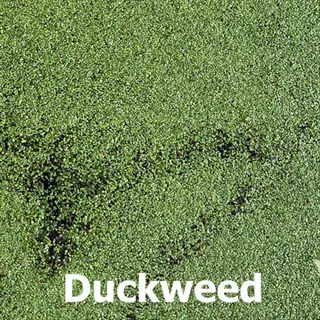
Duckweed
- Filtration ability: Duckweed absorbs nitrogen and phosphorus fast. Its dense surface coverage blocks sunlight that would fuel algae growth in your water.
- Growth rate: Among the fastest growing plants on Earth, duckweed can double its biomass every 24-48 hours under the right conditions. It covers water surfaces fast.
- Pollutant uptake: This tiny floating plant removes ammonia, nitrates, and phosphates from water. It also gathers heavy metals in amounts useful for bioremediation.
- Maintenance needs: Skim excess growth often to prevent full surface coverage that blocks oxygen exchange. This also harvests absorbed nutrients from the system.
- Growing conditions: Thrives in still or slow moving water with temperatures between 20-30 degrees Celsius. It needs high nutrient levels to grow well.
- Best applications: Useful for treating aquaculture wastewater, animal lagoons, and residential ponds where rapid nutrient removal is desired and regular harvesting is feasible.
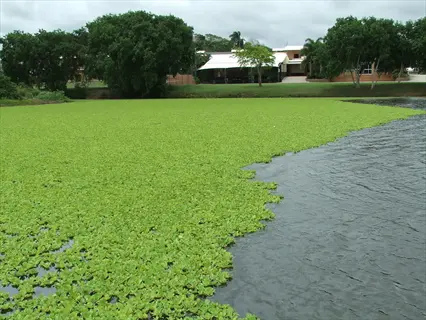
Water Lettuce
- Filtration ability: Water lettuce forms rosettes of fuzzy leaves that absorb nutrients while dangling roots filter particles and provide habitat for beneficial microorganisms.
- Growth habit: Floating rosettes spread by producing daughter plants connected by stolons. They form interconnected mats that cover water surfaces over time.
- Pollutant uptake: Good at removing nitrogen, phosphorus, and some heavy metals. Water lettuce has been used in wastewater treatment across tropical regions.
- Maintenance needs: Remove excess plants before they completely cover water surfaces and harvest accumulated biomass to export absorbed nutrients from the treatment system.
- Growing conditions: Requires warm temperatures above 15 degrees Celsius and calm water. Wind can push these floating plants to edges of your pond.
- Best applications: Great for small ponds, container water gardens, and greenhouse systems where you can control the temperature.
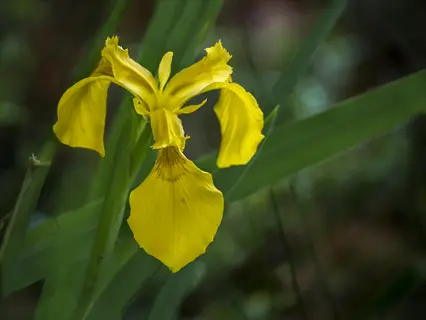
Iris Species
- Filtration ability: Water-loving iris varieties filter pollutants through extensive rhizome systems while adding ornamental beauty with striking flowers in blues, purples, and yellows.
- Growth habit: Yellow flag iris and blue flag iris grow 60-90 centimeters tall. They form clumps that expand through rhizome growth at pond margins.
- Pollutant uptake: Iris roots absorb excess nutrients and can tolerate polluted water. This makes them valuable for rain gardens and water retention areas.
- Maintenance needs: Divide crowded clumps every 3-4 years to maintain vigor. Remove spent flower stalks to prevent seed spread of invasive types.
- Growing conditions: Plant rhizomes at the waterline to 10 centimeters below surface in full sun to partial shade. Adapts to various soil types.
- Best applications: Perfect for ornamental filtration gardens where looks matter as much as water quality in your landscape.
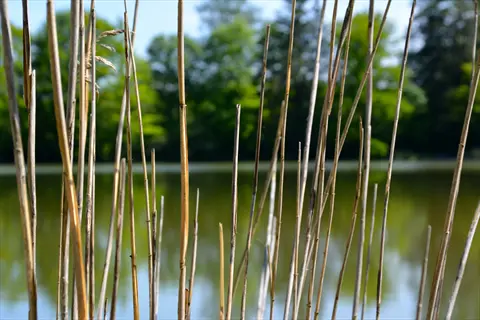
Horsetail Reed
- Filtration ability: Horsetail reeds absorb silica and heavy metals through their primitive vascular systems while dense stands create effective physical barriers for sediment filtration.
- Growth habit: Hollow jointed stems rise 30-120 centimeters from creeping rhizomes that spread fast in wet conditions. You may need to contain them.
- Pollutant uptake: Ancient horsetail plants can store gold, cadmium, and other metals. Research explores their potential for phytomining work.
- Maintenance needs: Control spread by installing root barriers or growing in containers and cut back brown stems in late winter before new spring growth emerges.
- Growing conditions: Tolerates full sun to partial shade in moist to waterlogged soil. This plant is hardy across a wide climate range from cold to warm regions.
- Best applications: Effective in rain gardens and bog filters. Their unusual prehistoric appearance adds visual interest while cleaning stormwater.
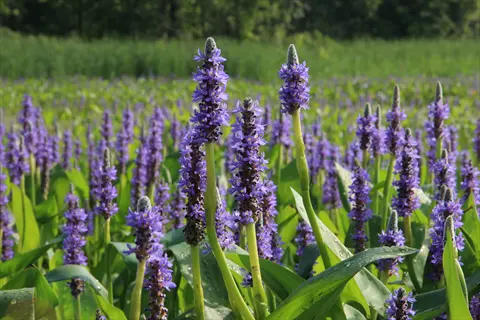
Pickerelweed
- Filtration ability: Pickerelweed filters nutrients through robust root systems while providing valuable pollinator habitat with spikes of blue-purple flowers from early summer through fall.
- Growth habit: Heart shaped leaves emerge on stalks reaching 60-90 centimeters above water level from rhizomes growing in low water up to 30 centimeters deep.
- Pollutant uptake: This native North American species absorbs nitrogen and phosphorus well. It tolerates urban runoff conditions found in stormwater management sites.
- Maintenance needs: Remove dead foliage in fall or spring and divide clumps every few years to maintain plant health and optimize filtration capacity.
- Growing conditions: Plant in full sun with roots submerged in 5-30 centimeters of water. This plant tolerates clay to sandy soils with pH ranging from acidic to neutral.
- Best applications: Excellent choice for native plant filtration gardens, providing both water treatment benefits and ecological value as a food source for pollinators and waterfowl.
You can mix several of these water purifying plants in one pond or wetland area. A good cattails water filter setup works even better when you add bulrushes and iris around the edges. Your key to success is matching each plant to its ideal water depth and sun exposure.
5 Key Water Treatment Processes
Now let's shift from botanical plants to the other meaning of water filtration plants. Municipal water treatment facilities use five key steps to make your tap water safe. I toured several of these industrial plants and was amazed at how much science goes into each glass you drink.
The water purification process at these sites works like wetland plants do. Coagulation pulls particles together just like plant roots. Flocculation then binds them into clumps. Industrial treatment hits exact standards that plants cannot match.
EPA rules set strict limits on what can stay in your water. Chlorine must stay below 4.0 mg/L while arsenic cannot exceed 0.010 mg/L. These numbers explain why you need both systems. Garden plants clean your water. Municipal water treatment meets legal safety marks for you.
Coagulation and Chemical Addition
- Process: Treatment begins when operators add coagulant chemicals like aluminum sulfate, ferrous sulfate, or specialized polymers to raw water entering the facility.
- Purpose: These positively charged chemicals neutralize the negative charge of dissolved particles, dirt, and organic matter suspended throughout the water.
- Timing: Rapid mixing ensures coagulants disperse evenly within 30-60 seconds, initiating particle destabilization before the next treatment phase.
Flocculation and Particle Binding
- Process: Gentle stirring encourages destabilized particles to collide and bind together, forming larger clumps called floc that can be more easily removed.
- Equipment: Large paddle mixers or baffled chambers create controlled turbulence, with mixing speeds carefully calibrated to promote aggregation without breaking apart formed floc.
- Duration: This phase typically requires 20-45 minutes of slow mixing to allow sufficient particle contact and floc development before settling.
Sedimentation and Settling
- Process: Water flows into large settling basins where gravity pulls heavy floc particles to the bottom, creating a layer of sludge while clarified water rises above.
- Design: Basins may span 30-60 meters in length with sloped floors directing settled sludge toward collection points for removal.
- Efficiency: Proper sedimentation removes 85-95% of suspended solids, reducing the burden on downstream filtration systems a great deal.
Filtration Through Multiple Media
- Process: Clarified water passes through layers of filter media including sand, gravel, and activated carbon that trap remaining particles as small as 0.5-1.5 mm effective diameter.
- Types: Rapid sand filters process large volumes fast while slow sand filters allow biological action to remove extra contaminants through microbial activity.
- Effectiveness: Multi media filtration removes particles down to 10-20 microns, capturing parasites like Giardia and Cryptosporidium that resist chemical disinfection.
Disinfection and Final Treatment
- Process: Final disinfection kills remaining bacteria, viruses, and pathogens using chlorine, chloramine, chlorine dioxide, UV light, or ozone treatment methods.
- Standards: EPA rules limit chlorine residual to 4.0 mg/L maximum while requiring enough contact time to achieve pathogen removal before distribution.
- Additions: Post disinfection adjustments may include pH correction and fluoride addition at 0.7 mg/L to promote dental health in served communities.
I've watched these five steps work together to give you safe drinking water. Your local facility runs these processes around the clock. Chlorination at the end keeps water safe as it travels through miles of pipes to your home.
Home Water Filtration Systems
Home water filters bring the same ideas from big plants into your kitchen or bathroom. You get mini versions of industrial treatment right where you need them. I tested dozens of these systems over the years to find what works best for homeowners like you.
These systems use the same core tech as big treatment plants. Sediment filters trap particles like big tanks do. An activated carbon filter absorbs toxins just like plant roots do. A reverse osmosis system pushes water through membranes that catch most bad stuff.
Research from Harvard shows solid block carbon filters remove 80% to 99% of lead from your water. Point-of-use filtration at your tap or sink protects you right where you drink. The table below shows your main home water filters by cost and what they remove.
Gardeners often ask me about whole house filtration for their plants. Chlorine in tap water can harm soil microbes. A carbon filter removes chlorine before you water orchids. The water filter specifications you need depend on what you grow in your garden.
Water Treatment Infrastructure
Your community's water treatment infrastructure works like a giant root system. US sites process 34 billion gallons of water every day. Many municipal water systems add constructed wetlands at the end. The two meanings of water filtration plants work together in real life.
I visited treatment plants that use real plants as a final step. They send water through natural wetland filters before it goes to rivers. This style of integrated water management is on the rise. You will see more of this mix in your area soon.
For gardeners like you, this infrastructure matters a lot. The water quality standards your local plant meets affect your soil health. Community water treatment choices impact your tomatoes and your fish pond in big ways.
Source Water Quality Affects Gardens
- Direct impact: The quality of your city water affects soil health, plant growth, and the safety of veggies that your family eats.
- Treatment benefits: Good treatment removes chlorine residuals, heavy metals, and pathogens that could build up in garden soil over many seasons.
- Gardener awareness: Knowing your community water source helps you decide if you need extra filtration for sensitive plants or organic methods.
Infrastructure Upgrades and Water Rates
- Investment scale: Treatment facility upgrades cost communities millions of dollars but protect water quality for decades of garden use.
- Rate considerations: Better infrastructure may raise water rates. This may push you toward rainwater harvesting or drip irrigation.
- Planning participation: You can attend community water planning meetings to push for treatment standards that protect food gardens.
Seasonal Treatment Variations
- Quality fluctuations: Treatment can vary by season based on source water conditions. This changes chlorine levels and mineral content.
- Spring runoff: Farm runoff in spring may increase nutrient loads requiring extra treatment. This affects your irrigation water.
- Summer demands: Peak irrigation season increases system demand. Knowing your utility treatment capacity helps you plan your garden.
Emergency Preparedness for Gardeners
- Backup planning: Knowing about treatment infrastructure helps you prepare rain barrels or stored water for emergencies.
- Boil advisories: Learn when boil water advisories apply to garden watering. This protects food safety for edible crops.
- System redundancy: Some communities have backup treatment that gives you reliable water for your plants all year.
The future of water treatment mixes both meanings of our title. Constructed wetlands with cattails will work with industrial tanks. This approach gives you cleaner water with less harm to nature. Integrated water management is the smart path forward for all of us.
Public Health and Safety Benefits
Water treatment public health benefits save millions of lives every year. Both industrial plants and botanical wetland plants protect the water you drink. I've seen how disease prevention works at both kinds of filtration plants. The results speak for themselves.
The global numbers paint a clear picture of why this matters so much. UN data shows 42% of wastewater goes untreated before release. That adds up to 113 billion cubic meters entering our rivers each year. Drinking water safety depends on closing this gap with both tech and natural solutions.
For you as a gardener, this has a direct link to your food safety. The water you use to grow veggies affects what ends up on your table. Wetland water treatment with real plants and industrial plants both play a role in keeping you and your family safe from waterborne illness.
Disease Prevention Value
- Pathogen removal: Water treatment kills germs that cause cholera, typhoid, and other diseases that used to kill many people every year.
- Child mortality reduction: Good water treatment in poor regions could save many of the 1.5 million children who die from water illness each year.
- Outbreak prevention: City treatment systems provide steady barriers that prevent disease outbreaks from bad water sources.
Contaminant Health Protection
- Heavy metal removal: Treatment removes lead and arsenic that cause brain damage in kids and raise cancer risk with long exposure.
- Chemical safety: Modern treatment takes out pesticides, factory chemicals, and drug residues that build up in water over time.
- Vulnerable protection: Kids, old people, pregnant women, and sick people face the highest risks from bad water. They need good treatment most.
Economic Health Value
- Healthcare cost reduction: Stopping water illness outbreaks saves communities millions in medical bills and lost work time.
- Workforce productivity: Clean water keeps workers healthy. Water illness costs billions in lost work every year across the globe.
- Development indicator: Access to treated water ties to longer life spans and better community health in every country.
Global Treatment Challenges
- Treatment gap crisis: Right now 42% of global wastewater stays untreated. This spreads disease to millions of people.
- Investment needs: Building more treatment in poor regions is one of the best health investments any government can make.
- Climate resilience: Treatment infrastructure helps communities keep safe water during droughts and floods that spread germs.
About 15 million Americans rely on private wells with no city treatment. Garden wetlands can add a safety layer for these rural homes. Phytoremediation health benefits help fill the gap. Both kinds of plants give you the best protection for drinking water safety.
5 Common Myths
Bottled water is always safer than tap water because it undergoes stricter testing and comes from pristine mountain springs.
Municipal tap water faces more rigorous EPA testing requirements than bottled water, which FDA regulates less strictly. Many bottled brands simply repackage filtered tap water.
Boiling water removes all contaminants including heavy metals, chemicals, and dissolved solids from any water source.
Boiling only kills pathogens like bacteria and viruses. It cannot remove heavy metals, pesticides, nitrates, or dissolved chemicals, and may actually concentrate these contaminants.
Aquatic plants alone can make any contaminated water safe for drinking without additional treatment steps.
While wetland plants effectively remove nutrients, sediments, and some pollutants through phytoremediation, they cannot eliminate all pathogens or chemical contaminants. Additional treatment remains necessary.
Home water filters eliminate the need for municipal water treatment since they remove all harmful substances.
Home filters serve as supplemental protection and cannot replace comprehensive municipal treatment. They target specific contaminants and require proper maintenance to remain effective.
Chlorinated water causes cancer and other serious health problems, making chlorine-free alternatives essential for safety.
At regulated levels of 4.0 milligrams per liter maximum, chlorine effectively kills harmful pathogens with minimal health risk. The disease prevention benefits far outweigh any potential concerns.
Conclusion
Water filtration plants come in two forms that both serve your need for clean water. US sites process 34 billion gallons each day. Plants in constructed wetlands cut nitrogen by 40% to 90%. Both meanings matter for safe drinking water and natural water filtration.
You now know about three key approaches to clean water. First, wetland plants like cattails use phytoremediation to clean your pond or rain garden. Then we covered the water treatment process at big industrial plants. Home systems filled the gap for your house.
For you as a gardener, this knowledge changes how you see water. The tap water that feeds your tomatoes comes from industrial plants. The pond that holds your koi can use real plants for extra filtration. Both paths lead to the same goal of healthier plants and safer food for your table.
I believe the future blends both meanings of water filtration plants into one system. More treatment sites now add constructed wetlands as a final polish step. This mix of tech and nature gives us the best results for the planet. Your garden can be part of this solution too.
External Sources
Frequently Asked Questions
What plants are effective for natural water filtration?
Wetland plants like cattails, bulrushes, and water hyacinths naturally filter water by absorbing nutrients and trapping sediments through their root systems.
What happens if a water treatment plant fails?
Treatment plant failures can result in:
- Boil water advisories for affected communities
- Waterborne pathogen outbreaks
- Chemical contamination reaching homes
- Emergency bottled water distribution
- Potential long-term health consequences
What are common drawbacks of water purification systems?
Common drawbacks include high energy consumption, chemical byproduct creation, expensive maintenance, and removal of beneficial minerals.
How cost-effective are community water filtration plants?
Community plants offer economies of scale, costing roughly $2-4 per 1,000 gallons compared to $0.25-0.50 per gallon for bottled water.
What natural methods can purify water without technology?
Natural purification methods include:
- Solar disinfection using UV rays
- Boiling for pathogen removal
- Biosand filtration
- Constructed wetlands with aquatic plants
- Slow sand filtration
What maintenance do reverse osmosis systems require?
Reverse osmosis systems need regular filter replacement every 6-12 months, membrane replacement every 2-3 years, and periodic sanitization.
How do filtration plants handle emerging contaminants?
Plants address emerging contaminants through advanced oxidation, activated carbon adsorption, membrane filtration, and upgraded monitoring protocols.
How do water treatment plants impact local ecosystems?
Treatment plants impact ecosystems by:
- Preventing pollutant discharge into waterways
- Enabling treated water reuse for irrigation
- Creating habitat in treatment wetlands
- Reducing eutrophication in receiving waters
- Supporting aquatic biodiversity downstream
What factors influence water treatment facility design and planning?
Key design factors include source water quality, population served, land availability, regulatory requirements, and budget constraints.
What factors determine the best home water filtration system?
Key factors include local water quality, specific contaminants present, household water usage, available space, budget, and maintenance requirements.