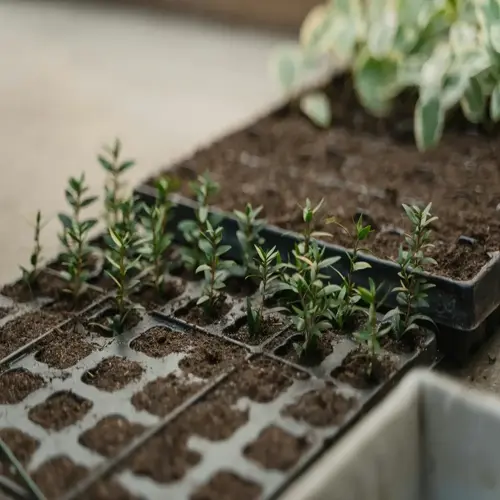

Yes, microgreens grown indoors year-round works great for most home growers. Moving inside removes all seasonal limits that outdoor gardens face. You pick the temperature and light levels. The weather outside stops mattering once you control your growing space. This makes indoor growing the top choice for steady harvests.
I started growing microgreens three years ago on my kitchen counter. That first winter taught me a lot about indoor conditions. My sunny windowsill setup worked fine in June. By December, the same spot made stretched weak greens. Once I figured out the light issue, fixing it was simple. Now I get the same results in January as I do in July.
Indoor growing hands you complete control over the environment. You keep temps at a steady 68-72°F (20-22°C) all year long. No frost one week and heat waves the next. Light stays the same every single day if you use grow lights. Outdoor plants deal with changing day lengths that cause bolting or slow growth. Inside, those problems go away.
Winter brings the biggest changes for indoor microgreens all seasons growers. Natural light drops hard during cold months. Most northern areas get under 10 hours of daylight in winter. That compares to 14+ hours in summer. A south window that bathed your trays in light during July gives weak results by January. Your plants will stretch and turn pale.
Adding a basic LED grow light fixes the winter light problem fast. Run it for 12-16 hours daily and your harvests stay strong through the dark months. I spent about $30 on my first grow light from an online store. It paid for itself in one month of good winter harvests. Now I cannot imagine growing without it.
Summer brings different issues to watch for. Trays near sunny windows can get too warm. Seeds may not sprout well in excess heat. Mold can take hold faster when temps climb above 80°F (27°C). Moving trays back from hot afternoon sun helps. A small fan near your growing area keeps air moving and temps down.
Growing microgreens in winter needs extra care with humidity too. Heating systems dry out indoor air fast. Your soil loses moisture quicker than in humid summer months. I check my trays twice daily during heating season. Misting more often keeps the growing medium from drying out. Crusty soil tops block seeds from sprouting well.
The real secret to year-round fresh greens lies in succession planting. Start a new tray every 7-10 days to create a rolling schedule. One tray sprouts while another grows tall. A third sits ready for harvest. This rotation puts fresh greens on your plate every single week. You never face gaps in your supply with this method.
Your setup needs depend on how much you want to grow. A single sunny window handles 2-3 trays for one person with minimal gear. More serious growing works best with a shelf and grow lights. A closet-sized space can run 5-10 trays at once. Match your gear to your goals and you will do fine.
Keep notes during your first year of growing. Track what varieties do best in your space. Note which ones need extra help during winter or summer. I keep a simple log on my phone with planting dates and results. This log becomes your custom guide for getting the most from your setup as seasons change.
Read the full article: How to Grow Microgreens Indoors at Home