Ornamental · Asteraceae
Chrysanthemum
Chrysanthemum × morifolium
Pinch them all summer, give them plenty of sun with water that never runs dry, and your mums will repay you with a sweep of color once fall arrives.
Full sun
Every 2–4 days
USDA 5–9
1–3 ft · 0.3–0.9 m
Overview
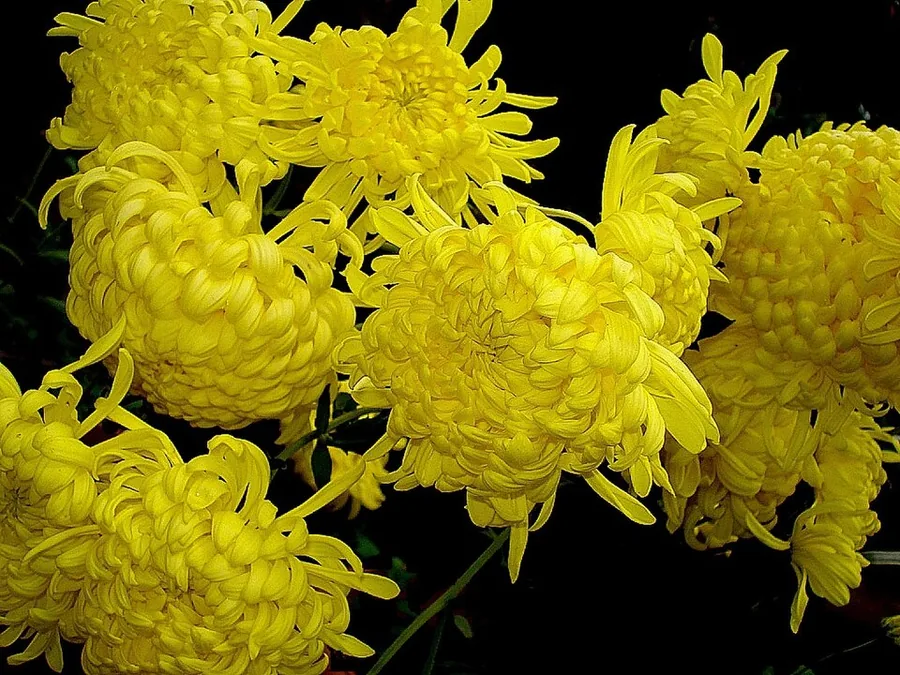
Ask anyone to picture an autumn bloom and the chrysanthemum is what springs to mind, and the plant earns that fame. A member of the daisy clan, it piles up rounded mounds of flowers in just about every warm tone you can name, rust, gold, soft pink, and the deepest reds among them. Most that you'll find for sale are garden mums, those low, pillow-shaped plants that smother themselves in flowers once daylight starts to fade.
Mums have earned a name for being easy, and they keep that name as long as two needs are met. First comes a sunny spot and moisture that stays even, and second comes a habit of pinching across the warmer months so the plant grows full instead of lanky. Skip that pinching and you wind up with a taller, thinner plant flowering only at its tips, and that's a simple thing to correct the next time around.
One quirk catches out many new growers, so it helps to hear it early. Those flowering mums stacked up in shops each autumn are grown for a quick, lavish display rather than for endurance, so plenty of them won't make it past winter, and that is no failing on your part. Set them out in springtime where water drains away and they return fuller; bring them home in the fall and you might happily treat them as annuals.
Care
The short version: give them sun all day, plant in rich soil that drains freely yet holds even moisture, feed once a week while they're growing, and keep pinching until roughly 100 days before bloom. None of it is fussy once the rhythm becomes second nature.
Light
Aim to give your mums 6 or more hours of direct sun, with an all-day, full-sun position better still. Plant them somewhere too shady and they'll stretch toward the brightness, topple over, and carry noticeably fewer blooms, so a sunnier home is one of the kindest things you can give them.
Water
Mums drink a lot and are happiest with steady, even moisture, all the more so as they set buds and flower. Let them go dry and the plant slows or stalls, though it usually rallies once the soil is damp again. Aim the watering can low at the roots, keep the leaves from getting splashed, and see that the bed drains so nothing sits soggy.
Soil
Settle them into rich earth that drains freely, generous with organic matter and held evenly damp. Happily, they're easy about acidity, content anywhere from 6.0 to 8.0 on the pH scale, so most ordinary beds will suit them just fine once you've gotten the drainage right.
Temperature
Garden mums are hardier than their soft looks suggest, holding up in the ground down near -20°F (-29°C) and brushing off summer warmth as high as 90°F (32°C). When winter comes, the real danger is soggy, heaving ground, not the chill itself, so there's no need to worry over a cold snap.
Humidity
The ordinary moisture in outdoor air is plenty, which means there's no figure for you to chase and one less thing to fuss over. Far more important is airflow, because when the breeze can't reach plants packed close together, the trapped, muggy pockets are what let mildew settle in.
Feeding
With their big appetite, mums respond well to soluble balanced fertilizer offered weekly for as long as they're putting on growth. As soon as flower buds show, ease off the feeding, since carrying on past that stage only pushes out leaf at the expense of the blooms you want.
Pruning
Pinching really is the heart of growing a good mum, and it's gentler work than it sounds. Begin once the plant stands about 6 inches tall, nipping off the top half-inch to inch of fresh growth, then come back to it every 4 weeks until you reach roughly 100 days before bloom. Once a hard frost has passed, cut everything down to 3 to 4 inches above the soil.
Size & spacing
Plants climb to 1 to 3 feet (30 to 91 cm) in height and broaden to 12 to 24 inches (30 to 61 cm) across. Leaving 18 to 30 inches between them lets the breeze move freely and denies mildew the close quarters it likes.
When to plant
What sets mums flowering is autumn's lengthening nights, and they hold their bloom until a hard freeze finally stops them. Spring planting builds the biggest, sturdiest plants, while popping in new ones during fall buys you instant color, and either choice serves you well. No matter which you go with, the steady pinching you carry on from spring into summer is what settles how the plant turns out when its buds finally open.
Northern hemisphere
Southern hemisphere
Typical months for a temperate climate: start earlier in warm zones, later where spring frosts linger.
- Sow: Not typically started from seed; propagated from spring cuttings or division.
- Plant: Fall or early spring; spring planting yields fuller plants for fall display.
- Harvest: Fall until freezing temperatures.
Hardiness
USDA hardiness zones: 5–9
Temperature: down to -29°C
Troubleshooting
Nearly every mum hiccup comes back to how the plant was raised rather than to any real misfortune, which is reassuring because it puts most of it within your reach. Stretchy stems, plants lost over winter, a dusting of mildew, and the occasional pest about cover what you'll meet. Spot the picture that matches yours below, then go after the cause instead of the symptom, and you'll usually see things come around.
Plants that look healthy in fall yet never wake up in spring
A mum lost over winter usually traces to heaving frost and waterlogged ground, which either shoves the crown up to dry out or leaves it to rot in the wet, and it seldom means you cared for it badly. The plants put in during late autumn suffer most, their roots having had no time to grab hold. Once a hard frost arrives, trim down to 3 to 4 inches and spread a loose, breathable mulch, fix whatever is holding water, and wherever you can manage it, switch to early spring planting so the roots earn a whole season to dig in.
Fix:
- After hard frost, cut stems to 3-4 in and apply a light, airy mulch
- Improve drainage to reduce standing winter moisture
- Plant in early spring to allow full root establishment
A soft white film creeping across the leaves
That chalky bloom dusting the leaves is powdery mildew, the fungus that moves in wherever foliage stays damp and the air sits motionless among plants packed too tightly. Thin things out so a breeze can pass through, and pour the water low at the roots to keep leaves dry. Strip away the worst-hit foliage and throw it in the bin rather than the compost, and your plant should come back fine.
Fix:
- Improve spacing and air circulation
- Water at the base and keep foliage dry
- Remove and discard affected leaves
Curled, speckled leaves that feel tacky when you touch them
Curled foliage, fine pinprick spotting, and a tacky coating usually mean aphids, thrips, or spider mites are working away beneath the leaves. Wash them away under a forceful spray, and glance over fresh growth from time to time so the next wave doesn't get ahead of you. Be reassured that a vigorous, contented plant backed by a handful of garden predators tends to keep these troubles minor.
Fix:
- Spray foliage with a strong stream of water
- Inspect undersides regularly and treat infestations early
- Encourage beneficial insects
Stretched, floppy stems with barely a flower to show
When a mum shoots up lanky and thin with scarcely a flower, the culprit is almost always a plant that went unpinched, and too little light only makes matters worse, yet both are simple to set right. The moment it reaches about 6 inches tall, start nipping off that uppermost inch, repeating every 4 weeks thereafter. Relocate it somewhere bright enough for 6 or more hours of direct sun, and spread the plants 18 to 30 inches apart for elbow room.
Fix:
- Pinch off the top 1/2 to 1 in of growth starting at about 6 in tall, repeating roughly every 4 weeks until the regional cutoff
- Relocate to a site with 6 or more hours of direct sun
- Space plants 18 to 30 in apart
Toxicity
Because mums are toxic, it pays to set them where pets and children won't reach, and a bit of forethought spares you trouble later. Their foliage and blooms hold pyrethrins along with sesquiterpene lactones, compounds that upset a cat's, dog's, or horse's stomach and can leave the animal drooling and walking unsteadily. The same chemistry irritates human skin too, so reach for gloves any time you're handling or cutting them down.
Toxic to
Cats · Dogs · Horses · Rabbits · Livestock · Birds · People
Cats Mild
Let a cat sample a petal or a leaf and you'll typically see drooling, a bout of vomiting, and runny stools not far behind. Should it swallow more, its footing may go a touch unsteady, and contact with the sap can leave the skin near its mouth looking pink, though things generally stay mild.
Dogs Mild
In dogs, that very pyrethrin content brings on slobbering, a churning belly, and loose motions. Eat a decent quantity and a dog can wobble a bit and stay under the weather briefly before perking up again.
Horses Mild
Should a horse browse on the plants, expect drooling and a turned stomach to follow. Keep watch for a listless, unsteady animal after it has made its way through a sizable stand of them.
Rabbits Caution
Those same stinging oils that bother dogs and cats make the plant a bad match for rabbits, so situate it well clear of wherever they live or roam. If one does help itself, watch for loosened droppings and a subdued bunny that goes off its food.
Livestock Caution
Cows, sheep, and goats will mostly turn up their noses at the bitter leaves, yet a famished one that does eat them may drool and develop the runs. The surest move is to wall the plants off wherever animals graze.
Birds Caution
These compounds sit badly with birds, so set any pots well beyond the reach of caged companions and clear of the ground where backyard hens scratch about. Catch a bird nibbling a petal or leaf and that's reason enough to relocate the plant.
People Caution
Eating it is out of the question, and where people are concerned the genuine hazard lies with the skin. Working with the foliage and stalks may leave touchy hands flushed and prickly, so glove up and give your hands a good wash when you're done, and all will be well.
Contact with foliage can cause dermatitis in sensitive individuals; wash hands after handling.
Helpline numbers

United States
ASPCA Animal Poison Control: (888) 426-4435 (fee applies)
Poison Control: (800) 222-1222



Canada
Poison Centres: 1-844-764-7669
Varieties
Plants offered under a single cheerful label usually split into a handful of genuinely different groups, and learning to tell them apart shows you at a glance whether one will stick around for years or simply flower once and dazzle. These are the few worth knowing on sight.
Florist's chrysanthemum
Forced along under glass to deliver large, dramatic flowers for the vase, these carry little of the staying power you'd hope for in an outdoor border.
Hardy garden mum
Tidy little pillow-shaped plants raised to hand you a flush of autumn color and a friendlier likelihood of reappearing the season after.
Rubellum Group (old-fashioned mum)
Tougher old-time mums prized for returning season upon season, hanging on even through cold-zone winters.
How to propagate
Seed isn't the route with mums. Instead you divide the ones already in your beds or coax roots from their young spring growth, and both ways are gentle on a beginner and hand back faithful matches to the plant you started with.
DivisionEasy
Early spring as new growth appears, about 3-4 weeks after the last killing frost. · One growing season
Wait for spring, and when fresh shoots begin to rise somewhere around 3 to 4 weeks after the last killing frost, ease the entire clump out of the ground. Hold on to the strong outer pieces still carrying their roots, and toss the tired, woody middle that has stopped giving. A split every year or two keeps the plant thriving, and the divisions take hold beautifully when granted one whole season to find their feet.
Stem cuttingsEasy
Spring, from healthy new shoots. · A few weeks to root
When spring arrives, clip a handful of tender young growths from a vigorous plant and press them into damp medium somewhere shaded from harsh light. Roots form within a few weeks, and soon enough you'll be growing exact stand-ins for the parent to enjoy.
Myths
Any fall-bought garden mum will reliably return each year, whatever shop it came from.
A mum bought in full flower come autumn often won't survive the cold months, simply because it spent its strength on bloom instead of building roots, so don't blame yourself when one slips away. Get them in the ground during spring, offer keen drainage, and a far greater share pull through. A lot of gardeners happily grow autumn-bought mums as annuals, swapping in fresh plants each season, and that is a perfectly cheerful way to go about it.
Mums bloom beautifully on their own and don't need any pruning.
Leave a mum entirely to itself and it usually grows lanky and sparse with few blooms, but the smallest bit of care turns that around. Nipping the growing tips from spring into early summer is the trick that builds the full, rounded plant buried in autumn flowers. Stop roughly 100 days ahead of the bloom you're hoping for, and hand the job over to the developing buds.