Ornamental · Campanulaceae
Balloon Flower
Platycodon grandiflorus
Settle it once into full sun and sharp drainage, and the puffed-up buds will pop open every summer for years to come.
Full sun
Every 5–10 days
USDA 3–8
12–30 in · 30–76 cm
Overview
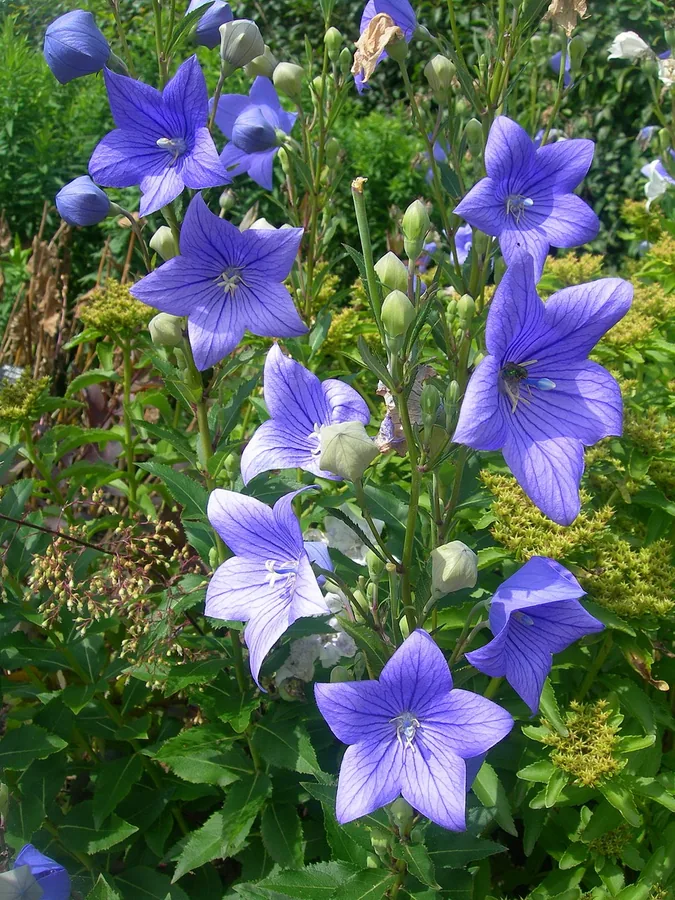
The name comes straight from the buds, and it is easy to fall for them. Each one puffs up into a small inflated pod, then splits open into a wide five-pointed star, most often a deep blue but sometimes white or pink. This is a hardy perennial in the bellflower family, native to East Asia, and steady enough to return for you year after year across zones 3 through 8.
If a fuss-free perennial sounds like your kind of plant, this is a gentle one to start with. It asks only for full sun, soil that drains well, and very little attention, rewarding you with blooms from June into August once it feels at home. The taller forms carry one small quirk worth knowing: they like to lean without support, which is why many gardeners simply trim them back in late spring to keep them tidy and upright.
There is one habit that often startles a new grower, so know it ahead of time and you will save yourself a worry. Balloon flower is a late riser in spring, sending up its stems weeks after the rest of the bed has greened, and it can look for all the world as though it has gone. Mark its spot, hold off on the spade, and it will come back right on its own quiet schedule.
Care
The short version: give it full sun and light, well-drained soil, with steady moisture but never soggy roots. Feed it gently in spring, trim the taller stems back in May to keep them from flopping, and beyond that you can happily let this forgiving perennial look after itself.
Light
Treat balloon flower to full sun and it will reward you with the firmest stems and the most blooms. It will get by in partial shade, yet plants given too little light tend to stretch, soften, and lean over far more than those out in the open, so brighter is kinder.
Water
Aim to keep the soil evenly moist but never waterlogged, offering a drink roughly every 5 to 10 days once the top inch has dried. If you remember just one thing, let it be drainage, because roots left sitting in wet ground will rot quickly.
Soil
Settle it into light, rich, well-drained loam that lets water slip through with ease. A slightly acidic pH of 5.5 to 6.0 makes it happiest, and remember that soil holding too much water is the surest way to lose the plant.
Temperature
You have a genuinely cold-hardy friend here, one that rides out winters all the way down to -29°F (-34°C) and takes summer heat up to around 90°F (32°C) in its stride. That comfortable range spans zones 3 through 8 with no fuss or special cover needed.
Humidity
Plain outdoor air is exactly right, so there is no number you need to chase. Good air movement matters more than moisture in the air, since still, damp pockets are what tempt rot and slugs.
Feeding
A light touch is truly all this plant asks of you. Mix in a little balanced fertilizer or compost in spring and leave it there, because overfeeding only coaxes out soft, floppy stems in place of flowers.
Pruning
Snip off the spent blooms to keep fresh ones arriving, and cut the taller stems back by half in May to head off flopping and save yourself the staking. Let the old stems stand through winter so they gently mark where the late crowns will rise again.
Repotting
Balloon flower rarely needs repotting and would much rather its roots stay undisturbed. Move a container-grown plant only when flowering eases off or roots begin to circle the pot, and treat that brittle taproot kindly when you do.
Size & spacing
Plants grow 12 to 30 inches (30 to 76 cm) tall and spread 12 to 18 inches (30 to 46 cm) wide, with a little variation by cultivar. Give each one that much elbow room so air can flow freely and the stems hold themselves upright.
When to plant
Balloon flower simply keeps a later schedule, and that is nothing to fret over. Start the seeds indoors in late winter, move young plants outside after the last frost once the soil has warmed, and the inflated buds will open for you from June into August.
Northern hemisphere
Southern hemisphere
Typical months for a temperate climate: start earlier in warm zones, later where spring frosts linger.
- Sow: Late winter to early spring, about 6-8 weeks before last frost
- Plant: After last spring frost once soil has warmed
- Harvest: June to August
Hardiness
USDA hardiness zones: 3–8
Temperature: down to -40°C
Troubleshooting
This is an easygoing plant that thrives on very little, and when something does go wrong it is usually too much water or a few hungry slugs rather than any serious disease. Keep a gentle eye on the roots and the lower leaves, match what you notice to the notes below, and you will find each problem is an easy one to put right.
A drooping, yellowing plant with roots gone soft and dark
When a plant sags and the roots underneath feel mushy and dark, you are almost certainly looking at root rot brought on by ground that stays too wet. Take heart, because this is fixable: lift the plant for a look, then loosen the bed so water drains, water a good deal less often, and tuck any healthy survivors back into light, well-drained loam where they can recover.
Fix:
- Improve drainage and reduce watering
- Remove severely affected plants
- Replant in light, well-drained loam
Chewed, ragged foliage trimmed with shiny slime trails
Torn holes in the leaves and a faint glistening track usually mean slugs and snails have been grazing once the sun goes down. Don't worry, this damage looks worse than it is. Slip outside with a flashlight after dark or just after a shower to find them at work, lift them off by hand, tidy away the damp hiding spots they love, and scatter a little iron-phosphate bait if the nibbling carries on.
Fix:
- Hand-pick slugs and snails in the evening
- Remove debris and mulch that shelters them
- Use traps or iron-phosphate baits if needed
Long stems that bend down and spread across the bed
If the bigger types lean and sprawl once they hit their full height, that is just their nature and nothing you did wrong, and a heavy rain or a shady spot only nudges them further over. The good news is that it is easy to manage: keep them in full sun so the stems grow firmer, trim the plants back by half in May to hold them lower, and a simple stake will steady anything that still wants to flop.
Fix:
- Stake taller plants
- Cut stems back by half in May to reduce height
- Grow in full sun for sturdier stems
Toxicity
Here is some lovely reassurance: balloon flower is safe to keep around the whole household. The ASPCA does not list it as toxic to pets, and it carries no warning as poisonous to people. The root is even a much-loved Korean vegetable called doraji, though it does hold saponins that can upset a stomach if a lot of raw plant material is eaten.
Safe for
People · Cats · Dogs · Horses · Rabbits · Livestock · Birds
Cats None
You can relax with a cat in the house, since the ASPCA flags no toxic compounds here. Should a curious one take a nibble, the saponins might bring a touch of stomach upset and nothing worse.
Dogs None
A dog is welcome to share this corner of the garden. It sits off the ASPCA toxic list, and a stolen mouthful of leaves is likely to mean no more than a passing, mild tummy upset.
Horses Safe
There is nothing here to worry a horse. The plant holds none of the toxins that bother grazing animals.
Rabbits Safe
A rabbit can browse it safely, though because of the saponins it is kindest offered as an occasional taste rather than a regular meal.
Livestock Safe
Cattle, goats, and sheep are fine grazing nearby, as no part of the plant is poisonous to them.
Birds Safe
Garden and wild birds alike are perfectly safe around the plant and its seeds.
People Safe
It is safe for people too, and the root is truly food. Korean cooks turn it into doraji, though eating the raw root in quantity can unsettle the stomach thanks to its saponins.
Roots and other parts contain saponins (platycosides); eating raw plant material in quantity could cause mild stomach upset, and traditional use involves preparing the root before eating.
Varieties
Most balloon flowers you will find for sale are named cultivars picked for their height or their flower color. Here are the ones you are most likely to come across.
Astra Blue
A neat little dwarf whose plump violet-blue balloons unfurl into broad, star-shaped flowers.
Fuji White
Stands taller than most and swaps the familiar blue for crisp white bell-shaped flowers.
Komachi
A charming curiosity: its blue buds hold tight in the puffed balloon stage and never quite open.
Sentimental Blue
A very small, generous bloomer in blue that is perfect for a border edge or a pot.
How to propagate
Seed is hands down the easiest way to grow more balloon flower, and a happy one for a first-timer, since the brittle taproot makes the other routes more trouble than they are worth.
SeedEasy
Sow indoors in late winter/early spring or direct sow after frost · One to two seasons to reach flowering size
Seed is far and away the gentlest, most reliable way to grow balloon flower, so this is a wonderful place for a first try. Start the seeds indoors in late winter or early spring, or sow them straight outside once the frost has passed, and your plants will grow to flowering size in one to two seasons. Since the roots dislike being disturbed, beginning from seed is far easier than trying to shift a settled clump.
DivisionDemanding
Spring · Variable; recovery can be slow
Dividing a plant in spring is possible, but the delicate, fleshy taproot makes it tricky and the plant truly resents the upset. Recovery comes slowly and unevenly, so in most cases the happiest choice is to let a settled clump stay right where it is.
Stem cuttingsModerate
Late spring to early summer · Several weeks to root
Taking basal stem cuttings in late spring or early summer is a lovely way to make more plants while leaving the taproot completely undisturbed. Be patient and give them several weeks to root before they are ready to move along.
Myths
Balloon flowers are easy to lift and divide like most clumping perennials.
Those fleshy roots are surprisingly brittle, so digging and splitting a clump often sets the plant back or finishes it off. The kinder path is simple: raise fresh plants from seed and let the settled ones stay put once they have found their footing.
The plant has died because nothing comes up in early spring.
Take a breath, because this one is just a late sleeper, and its new stems rise well into spring after most perennials are already up and growing. Mark each plant's spot and hold off on early digging so the crowns stay safe until they are ready to wake.