Houseplant · Asphodelaceae
Aloe Vera
Aloe vera
Offer it a bright spot, gritty soil, and a proper dry spell between drinks, and your aloe will happily look after itself.
Bright indirect
50–86°F · 10–30°C
USDA 9–11
12–24 in · 30–60 cm
Overview
If you are nervous about keeping plants alive, aloe vera is a wonderful place to begin. Those plump, gel-filled leaves are why it picked up the friendly names burn plant and first-aid plant, and that same fleshy build means a forgotten watering rarely does any harm. It hails from dry country, so it carries its own reserve and patiently rides out the lean weeks.
Few houseplants are this easygoing, so you can relax. Place it by a bright window, pot it in a mix that drains freely, and let it dry right out before you reach for the watering can again. The single thing it dislikes is sitting in soggy soil, which is what trips up most aloes that struggle indoors, and that is an easy mistake to avoid.
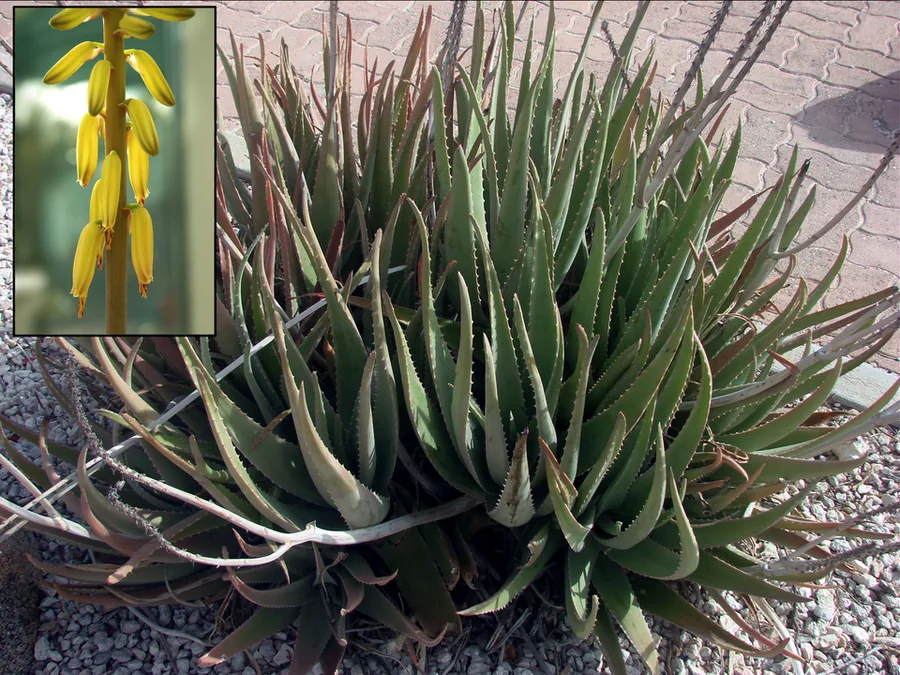
This is a true perennial, slow and steady, happy to share your home for years. As it grows it sends up pups around its base that you can pot on into fresh plants of your own. Older aloes grown outdoors in warm places may even reward you with a tall spike of tubular yellow to orange flowers.
Care
The short version: give it a bright spot, gritty fast-draining soil, and one good soak only after the pot has dried out completely. Go easy on feeding, keep it comfortably warm, and never leave it standing in water.
Light
Aloe is happiest in bright light, such as a sunny window or somewhere that catches a few hours of sun each day. Once it has been eased in gently, it copes with full sun, but a plant pushed straight into fierce light scorches, while one kept in a dim corner stretches and pales.
Water
This is the step people worry about most, so go gently and you will be fine. Wait until the soil is completely dry, then water deeply until it runs out the bottom, and hold off until the pot is bone dry again. Lingering water and a forever-damp pot are what bring on root and crown rot.
Soil
Choose a gritty cactus or succulent mix that drains in moments rather than a heavy potting soil that clings to moisture. Aloe enjoys things a touch alkaline, around a pH of 7.0 to 8.5, which most cactus mixes already provide.
Temperature
Comfortable room warmth is all it asks, anywhere between 50°F to 86°F (10°C to 30°C). Frost is its one real enemy, so if it has spent the summer outdoors, welcome it back inside before the cold sets in.
Humidity
Dry air will not bother this low-humidity desert plant in the slightest. There is no target to chase and no reason to reach for a mister.
Feeding
Feeding is barely on the to-do list. A diluted balanced houseplant fertilizer now and then across spring and summer is plenty, and forgetting it altogether causes little trouble.
Pruning
There is hardly anything to fuss over here. Use a clean knife to take off shriveled or dead lower leaves at the base, and tidy away a flower stalk once it has finished its show.
Repotting
Plan to repot every 2 to 3 years, or sooner if pups fill the pot and roots start peeking through the drainage holes. Step up just one size into fresh gritty mix and a container that drains well.
Size & spacing
Kept indoors it grows to roughly 12 to 24 inches (30 to 60 cm) tall and clumps out to 12 to 35 inches (30 to 90 cm) across. Choose a pot with enough room for the offsets it will keep producing.
Troubleshooting
Take heart, because almost every aloe hiccup comes down to water, light, or the pot, and the leaves usually tell you which. Find the picture that matches yours below, treat the real cause, and your plant will likely come right.
Soft, mushy leaves browning at the base
Try not to panic if the lower leaves go limp and see-through: this is root and crown rot, and it comes from kindness with the watering can rather than neglect. Soggy soil leaves the roots gasping, so the base softens. You can still save it. Set the watering aside, gently lift the plant, trim the rotted roots and slimy leaves with a clean blade, and settle it back into fresh gritty mix in a pot that drains.
Fix:
- Stop watering and let the soil dry out
- Remove the plant, cut away rotted roots and mushy leaves with a clean blade
- Repot into fresh gritty succulent mix in a pot with drainage holes
Thin, curling, or wrinkled leaves
Here is some good news: flat, wrinkled leaves are an easy fix. Those plump leaves are little water tanks, so when they slim down and crease, your aloe is simply thirsty. It is nothing more than drought stress, and it bounces back quickly. Give it a generous drink until water escapes the bottom, then wait for the soil to dry out completely before you water again.
Fix:
- Water thoroughly until it drains from the bottom
- Resume a regular deep-but-infrequent watering schedule
Reddish-brown or scorched patches on the leaves
If pale, scorched marks show up after a move outdoors, take heart: this is sunburn, not an illness, and your plant is not failing. An aloe that goes straight from a windowsill into blazing light gets tender on the side meeting the strongest rays. Ease it back to bright indirect light, and when you try again, build up to stronger sun across a week or two so it has time to toughen up.
Fix:
- Move the plant to bright indirect light
- Acclimate gradually to stronger sun over one to two weeks
Toxicity
Here is the gentle caution: aloe is kind to people but harmful to pets. The clear gel goes into burn creams and lotions, yet the bitter yellow latex just beneath the leaf skin holds saponins and anthraquinones like aloin that upset the gut. The ASPCA lists aloe as toxic to cats, dogs, and horses, so simply set it where curious pets and small children cannot chew it.
Toxic to
Cats · Dogs · Horses · Rabbits · Livestock · Birds · People
Cats Moderate
Should a cat nibble the leaves, you will most likely see vomiting and loose stools, and your cat may lose interest in food and seem dull or sluggish. Trembling or pinkish urine would mean a heavier mouthful, so call your vet if you spot either.
Dogs Moderate
Dogs tend to follow the same pattern as cats, with an upset stomach, runny stools, and a quiet, low mood. A larger helping can set off trembling and give the urine a reddish cast.
Horses Moderate
Because the bitter latex loosens a horse's gut, you can expect diarrhea, a sluggish manner, and little appetite. If a horse works through a good amount of leaf, trembling may follow.
Rabbits Toxic
The very anthraquinones that loosen other pets are rough on a rabbit's sensitive gut. Keep aloe somewhere a rabbit truly cannot reach, because this is not a green it can safely graze like the rest of its food.
Livestock Toxic
Cattle, goats, and sheep that nibble aloe swallow the purging latex and suffer heavy scours. The kind move is to fence the plant off anywhere your stock might wander to it.
Birds Toxic
On a bird's tiny frame the aloin in the leaves acts as a powerful laxative, so a curious parrot or backyard chicken should be kept well clear of the plant.
People Caution
You will find the clear inner gel in all sorts of human products, but the yellow latex just below the skin is a harsh laxative that cramps the gut, so it is not for eating. Keep whole leaves away from little ones, who would take in both layers at once.
This is a medicinal-for-people, toxic-to-pets plant; the inner gel differs from the toxic latex, but pets chewing whole leaves ingest both.
Helpline numbers

United States
ASPCA Animal Poison Control: (888) 426-4435 (fee applies)
Poison Control: (800) 222-1222



Canada
Poison Centres: 1-844-764-7669
Varieties
Most aloe sold as aloe vera is one and the same plant, but a couple of forms show up often enough that it helps to recognise them.
Aloe vera 'Chinensis'
You will know this one by its bolder cream speckling and a looser, more spreading habit instead of the tidy upright form.
Aloe vera var. barbadensis
This is the familiar medicinal aloe, raised on farms for the plump, gel-rich leaves behind countless skin products.
How to propagate
One of the joys of aloe is how readily it multiplies, mostly through the offsets it gathers around its base. You can also split a crowded clump or raise it from seed, though seed asks for a good deal more patience.
Offsets & pupsEasy
Spring to summer during active growth · 4 to 8 weeks to root and establish
The friendliest way to grow your collection is to gather up the little pups that gather around the parent's base, and it could hardly be simpler. Work in spring or summer while growth is strong, leave any cut surface to dry and form a callus for a day or two, then tuck each pup into gritty mix. Be patient for 4 to 8 weeks while it roots and settles in, and you will have a new plant.
DivisionEasy
At repotting in spring · 4 to 8 weeks
Repotting time in spring gives you a second easy option: a packed clump with several rooted crowns will come apart in your hands, and each crown can go into its own pot. Much like the pups, these divisions need around 4 to 8 weeks to settle and feel at home.
SeedModerate
Spring, warm conditions · Several months to a year
Seed is the patient route and honestly not worth the wait for most growers. Scatter it over gritty mix in spring and keep things cozy and warm, but be prepared to wait several months to a year before you have a true plant. The pups give you the very same result in a fraction of the time.
Myths
Aloe gel is good for people, so the whole plant is safe for pets to chew.
It is easy to assume so, but the soothing clear gel and the bitter yellow latex tucked beneath the skin are not the same thing. When a pet bites through a whole leaf it takes in both, and that latex carries saponins and anthraquinones like aloin that trigger vomiting and diarrhea. The ASPCA lists aloe as toxic to cats, dogs, and horses, so the safest plan is to keep it somewhere they cannot reach.