
What is special about the tulip tree is its standing as one of the tallest native hardwoods in the eastern United States. It also grows faster than almost any other hardwood you can plant. You get a tree that adds over 2 feet per year and towers above most other species at full size. Few native trees give you this mix of speed, height, and beauty in one package.
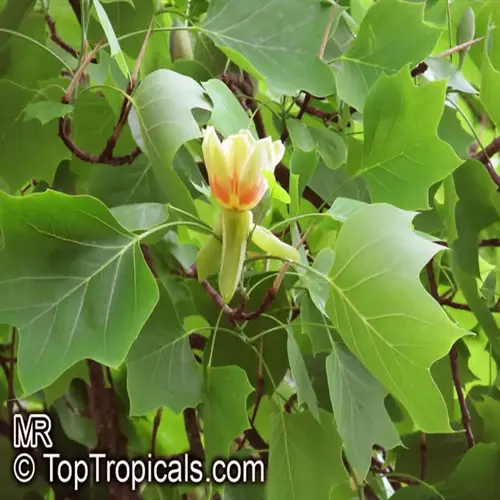
The first time I stood under a mature tulip tree in full bloom, the sight stopped me cold. Cup-shaped flowers the size of my fist covered the upper branches in orange and yellow. The leaves grabbed my eye too. Each one has four distinct lobes with a flat top edge that looks like someone snipped the tip off with scissors. These tulip tree unique features make it one of the easiest species in the forest to identify at a glance.
One of the most surprising tulip tree unique features is its family line. You might hear people call it tulip poplar or yellow poplar. Those names suggest a link to poplar trees, but that link doesn't exist. This species belongs to the magnolia family and shares no DNA with true poplars at all. The cup-shaped flowers give away the magnolia connection when you look at them up close.
The tulip tree facts from USDA records show just how much this tree offers. Three states chose it as their state tree: Kentucky, Tennessee, and Indiana. A single mature tree makes enough nectar for about 4 pounds (1.8 kilograms) of honey per season. That makes it a top food source for honeybees in the eastern forest. Wildlife biologists count 18 butterfly species that depend on tulip trees as host plants. Old-growth stands in the Smoky Mountains hold trees over 200 feet (61 meters) tall with trunks wider than a car.
You should know that timber mills value tulip tree wood for its straight grain and easy workability. Your finished product takes stain well and machines without splitting. Furniture makers and trim carpenters reach for this wood when they need a clean, light-colored surface. If you own land with mature tulip trees, you're sitting on a real asset that grows more valuable each decade.
I rank what makes this tree stand out in this order. First, your growth speed beats almost every other hardwood at over 2 feet per year. Second, you support pollinators with heavy nectar flow each spring. Third, the timber holds real market value for you or future owners. Fourth, those orange and yellow flowers put on a show no other native hardwood can match. Fifth, a potential 300-year lifespan means your tree can serve your family for many generations to come.
You won't find another native shade tree that checks this many boxes at once. When I tell friends to plant a single shade tree in their yard, the tulip tree tops my list every time. I've planted three of them on my own property over the past decade. Each one has grown into a strong shade tree faster than any oak or maple I've put in the ground. The payoff in shade, beauty, and wildlife value is hard to beat with any other species you can find at a local nursery.
Your yard gets a tree that works hard for you from day one. It grows fast, feeds bees, hosts butterflies, and adds real dollar value to your property. That's a lot of return from a single planting hole. If you want one tree that does it all, the tulip tree is your best bet.
Read the full article: Tulip Tree: Complete Growing Guide