
A rain barrel catches water that flows off your roof during storms and stores it for your garden and lawn. It sits under a downspout and grabs the runoff through a redirect fitting. All that water would just drain away into the ground or storm drains without one.
I set up my first barrel three years ago and couldn't believe how fast it filled. A moderate spring shower topped off the whole 50-gallon barrel in about an hour. That single fill gave me enough free water to keep my raised beds happy for a full week. Rainwater harvesting turned out to be one of the simplest upgrades I've made to my yard.
I also loved watching the process work during the next big storm. Rain hit the shingles, rolled into the gutters, and poured down the downspout into the barrel. The mesh screen on top caught all the leaves and bugs. Within two hours I had another full barrel of clean water ready for my flower beds and tomato plants. That free water felt like a small victory every single time.
The setup works through basic gravity. Rain hits your roof and flows into your gutters. A small fitting on the downspout redirects that water into the barrel instead of sending it down the drain pipe. A mesh screen filter sits on top to block debris. A spigot near the bottom lets you fill watering cans or hook up a soaker hose to water your beds.
The numbers show just how much water your roof can collect. The Massachusetts DEP says 1 inch of rain on a 1,000 square foot roof yields about 623 gallons of water. A smaller roof section of 250 square feet fills a 50-gallon barrel in under two hours of steady rain. Most homeowners only capture a tiny share of what their roof sends down each year. You can collect rainwater from just one downspout and still have plenty for a small garden.
Rain barrels also cut down on stormwater runoff in your area. Heavy rain floods storm drains and pushes pollutants into local streams. Every gallon your barrel grabs is one less gallon hitting those drains. Some cities offer rebates for barrel installs because they take load off aging sewer lines.
You can buy a pre-made rain barrel for $50 to $160 based on the size and style. Most come with the redirect fitting, screen, and spigot, so setup takes under an hour. A DIY option uses a food-grade 55-gallon drum that costs about $15 to $30. Add another $20 in fittings from a hardware store and you have a working system. The barrel pays for itself within one growing season through lower water bills.
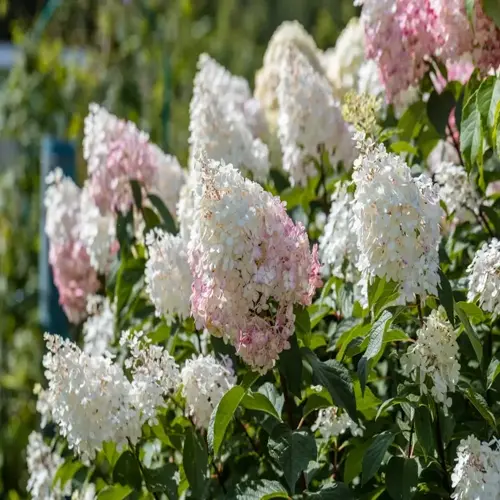
Plants respond well to rainwater because it doesn't contain the chlorine or fluoride found in most tap water. The pH level tends to be close to neutral, which suits most garden vegetables and flowers. I switched to barrel water last year and saw great results. My tomatoes grew bigger and my hydrangeas showed brighter colors. The savings on my water bill added up too. I cut about $35 per month off my bill during the peak summer watering season.
Set your barrel on a flat, sturdy surface near the garden beds you water most. A full barrel weighs over 400 pounds, so concrete pavers or packed gravel work much better than bare soil. Start with one barrel and see how fast you use it up. Most gardeners add a second barrel within the first year. Once you see how much your roof produces, one barrel won't feel like enough. Your plants will love that soft, chlorine-free rainwater too.
Read the full article: Rain Barrel Guide for Beginners