
Airtight containers for seed storage give you the best results when saving seeds for future seasons. While seeds can survive in paper packets for a short time, sealed containers keep them viable much longer. The difference comes down to one key factor: moisture control. Getting this right means the gap between seeds that sprout and seeds that fail.
I ran my own test over three seasons using tomato seeds from the same harvest. Half went into paper envelopes stored in a drawer. The other half went into glass jars with tight lids. After two years, the paper envelope seeds dropped to just 45% germination. The jar seeds still showed 88% viability. That gap grew even wider by year three. The sealed batch kept strong while the loose seeds were nearly useless.
Seeds act like tiny sponges that soak up moisture from the air around them. Paper and cloth let humidity pass right through. When seeds absorb this water, bad things start to happen inside. Their stored food breaks down faster. Mold spores wake up and begin to grow. The embryo that would become your plant starts to weaken. Each day at high moisture eats away at your seed's ability to sprout.
South Dakota State Extension puts moisture control at the top of the list for seed storage success. Their research shows that low humidity matters more than temperature for most home gardeners. You can store seeds at room temp for years if you keep them dry enough. But even cold storage fails when seeds stay too moist. Airtight containers solve this problem by blocking that moisture exchange.
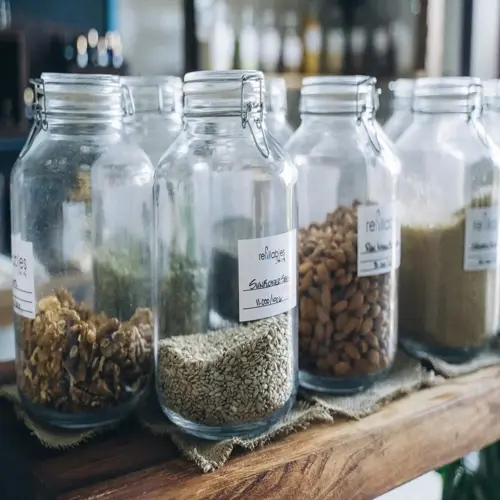
Your options for sealed containers seeds include glass jars, plastic boxes with gaskets, and mylar bags. Glass mason jars top the list for home use. They seal tight, last forever, and let you see what's inside. Plastic food containers work too if they have rubber gaskets that snap shut. Stay away from regular Tupperware with just a friction fit lid. Those let moisture sneak through over time.
Good moisture proof seed storage goes beyond just picking the right container. Add a desiccant packet inside to soak up any trapped humidity. Silica gel packets work great and you can dry them out in the oven to reuse. Rice in a cloth pouch does the job in a pinch. Replace or refresh your desiccants once a year to keep them working well. This extra step makes a big difference in how long your seeds last.
Test your container seals before you trust them with your seeds. Fill the jar with a bit of baking soda and close the lid tight. Place it in the sink and pour water over the outside. If bubbles rise from inside, that seal has gaps. Good containers hold air in even when pushed underwater. This quick test tells you which containers will protect your seeds and which ones to avoid.
Some cases call for less strict storage. Seeds you plan to plant next season can stay in paper envelopes if your home stays dry. Short term storage of just a few months rarely needs airtight protection. But any seeds you want to keep for two years or more belong in sealed containers. The small effort of proper storage pays off with higher germination rates when planting time comes.
Start with glass jars and good desiccants for your best seeds. Label each container with the seed type and date so you know what you have. Keep your sealed jars in a cool, dark spot like a closet or basement. Check on them once a year to make sure the seals still hold. Your seeds will reward you with strong sprouts for many seasons ahead.
Read the full article: 3 Essential Rules: How to Store Seeds