
Introduction
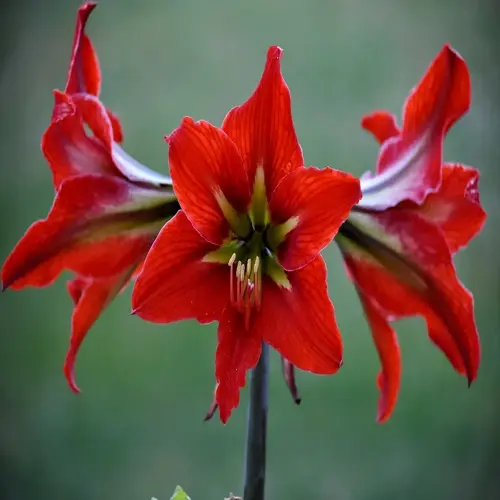
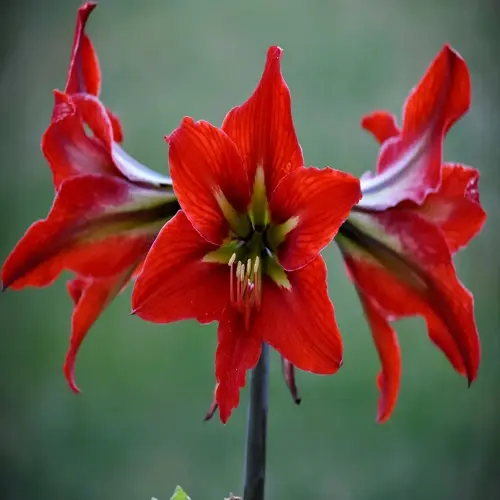
Your amaryllis plant can light up a dull winter room with blooms that stretch 4 to 10 inches across. These bold flowers shoot up on tall stalks in just weeks. Think of them as fireworks for your windowsill, bright, colorful, and shockingly easy to grow.
Here is a fun fact most people miss. The flowering bulb you buy at the store is not a true Amaryllis at all. It belongs to the Hippeastrum genus, a group of about 90 species from South America. The real Amaryllis is a different lily from South Africa. Breeders in England first crossed Hippeastrum bulbs in 1799. Most store hybrids today come from just 6 of those species.
I started growing these indoor bulbs over 10 years ago and some of my first bulbs still bloom each winter. The University of Minnesota says these bulbs can bloom for up to 75 years when you treat them right. In my own experience, even a cheap bulb from a box store can last for decades.
This guide covers every part of amaryllis care from bulb selection to getting new blooms next year. You will learn the best varieties, planting steps, light and water needs, and the dormancy trick that brings your bulb back to life each season.
8 Popular Amaryllis Varieties
You can find hundreds of amaryllis varieties for sale right now. The main types of amaryllis fall into 5 groups. When I first started collecting these bulbs I had no idea how different each type could look. You can find huge trumpet blooms, ruffled doubles, and wild spider shapes all in the same genus.
Most Dutch amaryllis you find at stores come from growers in the Netherlands. These bulbs bloom a bit later than Peruvian ones. For your biggest shows, grab jumbo bulbs 34 centimeters or more around since those push out extra flower stalks. Check out these 8 great Cybister amaryllis, double amaryllis, and other top picks below.
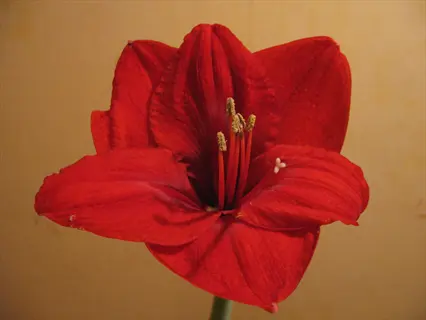
Red Lion (Large-Flowering)
- Bloom Color: Deep, vibrant red petals that create a classic holiday look and pair well with traditional winter greenery and white decorations
- Flower Size: Produces blooms measuring 6 to 8 inches (15 to 20 centimeters) across on sturdy stalks that reach up to 24 inches (61 centimeters) tall
- Stem Count: Mature bulbs commonly produce 2 to 3 flower stalks with 4 to 6 large trumpet-shaped blossoms per stalk
- Growth Habit: One of the most reliable and vigorous growers, making it an excellent first choice for beginners who want guaranteed results
- Best Use: Ideal for holiday gifting, centerpieces, and windowsill displays where bold color makes an immediate statement in the room
- Availability: Widely available in garden centers and bulb kits from October through December, often sold as a pre-potted holiday gift set
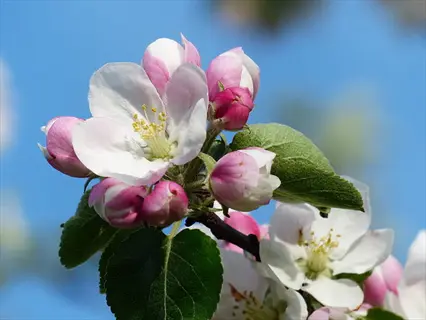
Apple Blossom (Large-Flowering)
- Bloom Color: Soft white petals with delicate pink blush edges that deepen in color as the flower matures over its two-week lifespan
- Flower Size: Blooms reach 6 to 7 inches (15 to 18 centimeters) across with a graceful, slightly ruffled petal shape that looks elegant in arrangements
- Stem Count: Typically produces 2 flower stalks per bulb with 3 to 4 blossoms on each stalk for extended indoor color
- Growth Habit: Moderate grower that responds well to bright indirect light and consistent watering throughout the active growth phase
- Best Use: Perfect for pastel and soft-toned interiors, spring celebrations, and gardeners who prefer subtle beauty over bold drama
- Availability: One of the most popular cultivars worldwide, readily found at nurseries and online bulb retailers from fall through early winter
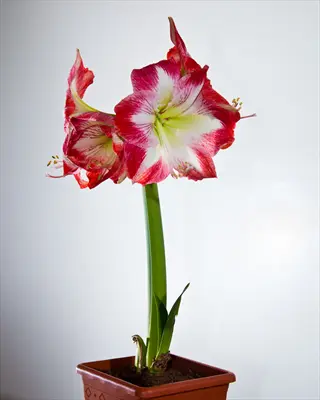
Minerva (Large-Flowering)
- Bloom Color: Striking red and white bicolor pattern with bold red petal centers and crisp white edges that create a star-shaped visual effect
- Flower Size: Flowers measure 7 to 8 inches (18 to 20 centimeters) across, making them one of the largest and most eye-catching bicolor options
- Stem Count: Strong bulbs produce 2 to 3 stalks with up to 4 flowers each, providing several weeks of continuous blooming indoors
- Growth Habit: Vigorous grower with thick, sturdy stalks that resist leaning, reducing the need for staking or support in a container
- Best Use: Works beautifully as a standalone display piece or mixed with solid-color varieties for a dynamic multi-bulb arrangement
- Availability: Widely available and frequently included in premium bulb gift kits and curated holiday flower collections
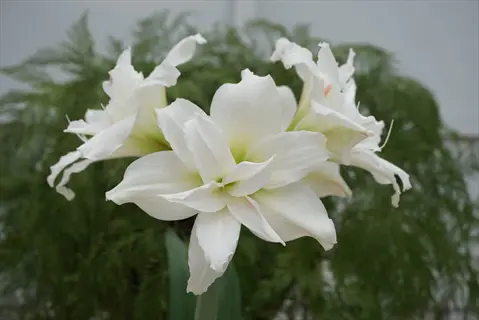
Christmas Gift (Double-Flowering)
- Bloom Color: Pure white double blooms with layer upon layer of ruffled petals that give each flower a lush, peony-like appearance
- Flower Size: Double blooms reach 5 to 7 inches (13 to 18 centimeters) across with significantly more petals than single-flowering types
- Stem Count: Produces 1 to 2 flower stalks per bulb, with each stalk carrying 3 to 4 densely petaled blossoms
- Growth Habit: Slightly slower to open than single varieties, but the extended opening process means longer overall display time indoors
- Best Use: Ideal for elegant holiday decorating, wedding centerpieces, and gardeners who appreciate a more formal, luxurious flower style
- Availability: Available at specialty nurseries and online bulb retailers, often marketed as a premium holiday variety for gifting
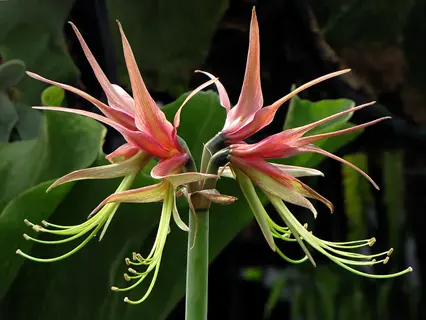
Exotic Star (Cybister Type)
- Bloom Color: Deep burgundy-red petals with narrow, spider-like shape and green throat accents that look dramatically different from traditional amaryllis
- Flower Size: Individual flowers measure 6 to 8 inches (15 to 20 centimeters) across with long, slender petals that curve gracefully backward
- Stem Count: Typically produces 1 to 2 stalks with 3 to 5 spider-shaped flowers that create an artistic, sculptural silhouette
- Growth Habit: Cybister types grow slightly taller than standard varieties, often reaching 26 to 30 inches (66 to 76 centimeters) in height
- Best Use: Perfect for modern and minimalist interiors where the unusual flower shape serves as a living art piece and conversation starter
- Availability: Less common than standard types and typically found through specialty bulb catalogs or online retailers who carry unusual cultivars
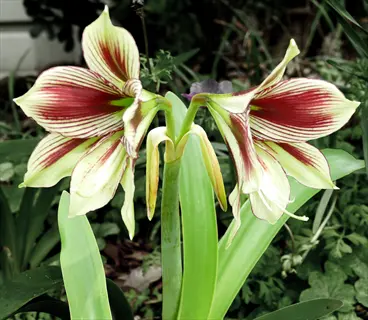
Papilio (Butterfly Type)
- Bloom Color: Creamy green petals with dramatic burgundy veining that resembles butterfly wings, creating a tropical and exotic appearance
- Flower Size: Blooms measure 5 to 6 inches (13 to 15 centimeters) across with a more open, flared shape than trumpet-style varieties
- Stem Count: Produces 1 to 2 stalks per season with 2 to 4 flowers per stalk, and the unique coloring makes even a single bloom memorable
- Growth Habit: An evergreen variety that may not require a full dormancy period, making it easier to maintain year-round in a bright indoor location
- Best Use: Suited for plant collectors and experienced growers who want something unusual that stands out from traditional red and white holiday types
- Availability: Available through specialty online bulb retailers and botanical garden plant sales, typically at a higher price point than standard cultivars
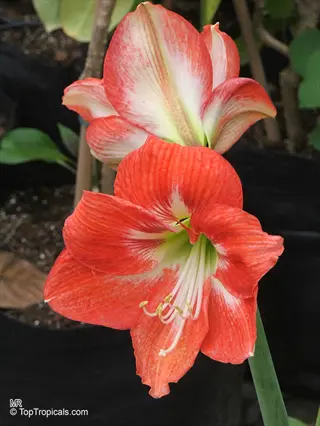
Picotee (Large-Flowering)
- Bloom Color: White petals with fine red pencil-line edging that creates an elegant frame around each bloom, offering a refined and delicate look
- Flower Size: Flowers reach 6 to 7 inches (15 to 18 centimeters) across with clean, symmetrical petals that photograph beautifully for social media
- Stem Count: Reliable producer of 2 flower stalks per bulb with 3 to 4 blooms each, giving a balanced and full appearance in a container
- Growth Habit: Strong, upright growth habit with stalks that remain straight even without staking, making it low-maintenance for indoor display
- Best Use: Excellent for sophisticated holiday tablescapes, neutral-toned rooms, and gardeners who appreciate subtle detail over bold color
- Availability: Widely available through major garden centers and online retailers, often paired with white or red varieties in mixed bulb collections
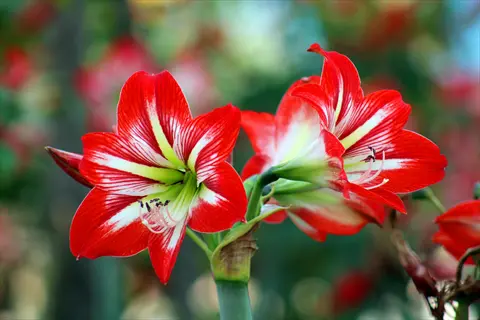
Baby Star (Miniature Type)
- Bloom Color: Bright red flowers on compact stems that deliver the classic amaryllis color in a smaller, more space-friendly package
- Flower Size: Miniature blooms measure 3 to 4 inches (8 to 10 centimeters) across, roughly half the size of standard large-flowering types
- Stem Count: Produces 2 to 4 flower stalks per bulb, often more than large varieties, which creates a fuller and bushier display overall
- Growth Habit: Compact plants reach only 12 to 16 inches (30 to 41 centimeters) tall, making them stable without staking and perfect for small spaces
- Best Use: Ideal for windowsills, desks, shelves, and small apartments where a full-sized amaryllis would be too tall or top-heavy
- Availability: Increasingly popular and available at garden centers and online retailers, often sold in decorative small pots as ready-to-grow gifts
Planting Your Amaryllis Bulb
Planting amaryllis bulbs the right way gives your flowers the best start from day one. I soak the roots in lukewarm water for 1 to 2 hours before potting amaryllis to wake them up after storage. This quick step helps the roots grab hold of the soil faster once you get the bulb in its amaryllis container.
Your bulb selection matters more than most people think. Look for firm bulbs at least 3 to 4 inches across with no soft spots or mold. Use a potting mix for amaryllis made from equal parts peat and perlite for the best drainage. Pre-forced bulbs from the store can push out flowers in just 3 to 6 weeks after planting.
Select the Right Bulb
- Size Matters: Choose a bulb at least 3 to 4 inches (8 to 10 centimeters) in diameter, as smaller bulbs may not have enough stored energy to produce a flower stalk this season.
- Check Firmness: A healthy amaryllis bulb feels firm and heavy for its size with no soft spots, mold, or visible damage on the outer papery skin.
- Bulb Origin: Peruvian-grown bulbs often bloom earlier than Dutch-grown bulbs, so check the label if you want flowers by a specific holiday date.
Choose the Container
- Pot Size: Use a container only 1 to 2 inches (2.5 to 5 centimeters) wider than the bulb because amaryllis blooms best when slightly potbound in a snug pot.
- Drainage Required: Make sure the pot has at least one drainage hole to prevent water from pooling at the bottom and causing bulb rot.
- Weight and Stability: Choose a heavier ceramic or terracotta pot to prevent the tall flower stalk from tipping the container over as it grows.
Prepare the Soil Mix
- Ideal Mix: Combine equal parts peat moss and perlite, or use a quality well-draining potting mix designed for houseplants or bulbs.
- Avoid Garden Soil: Garden soil compacts too tightly in containers, reduces drainage, and increases the risk of fungal problems and root rot.
- No Fertilizer Yet: Do not add fertilizer at planting time because the bulb contains all the nutrients it needs to produce its first round of flowers.
Plant and Water the Bulb
- Planting Depth: Set the bulb so the top one-third sits above the soil line, packing the potting mix firmly around the lower two-thirds and the root system.
- Initial Watering: Water the soil thoroughly at planting until it drains from the bottom, then wait to water again until the top inch (2.5 centimeters) of soil feels dry.
- Placement: Put the pot in a warm spot with bright indirect light and expect the first green growth to appear within 1 to 3 weeks after planting.
Light, Water, and Temperature
Getting the amaryllis light requirements right makes or breaks your blooms. A south-facing window gives the strongest winter light for your plant. A west-facing window works as a solid second choice on shorter days. Professor Ray Bosmans at the University of Maryland puts it best. He says bright sunlight is the single most important factor for repeat blooms.
Watering amaryllis is simple once you know the rule. Check the top inch of soil with your finger and water only when it feels dry. That works out to about once every 5 to 7 days during active growth. I lost 2 bulbs to rot before I learned to let the soil dry out between drinks. Too much water kills more amaryllis than too little.
Your amaryllis temperature matters more than you might expect. Keep blooming plants at 60 to 65 degrees Fahrenheit to make each flower last longer. Anything over 65 degrees shortens the bloom window fast. Place your pot in bright indirect light and rotate amaryllis pot a quarter turn every 2 to 3 days to keep the stalk growing straight.
Reblooming and Dormancy Cycle
Reblooming amaryllis is where most people give up too soon. As the UMN Extension puts it, the secret is to keep your plant growing after it has finished blooming. You need to cut amaryllis flower stalk down to 2 inches above the bulb right when the last bloom drops. Then focus on amaryllis care after blooming by giving your leaves full sun for 5 to 6 months.
I use a simple trick for forcing amaryllis to bloom by a certain date. Count back 10 to 14 weeks from the day you want flowers and start amaryllis dormancy on that date. Want blooms by Christmas? Stop watering in mid September and store the bulb in a cool dark spot at 45 to 55°F. Want flowers for Valentine's Day? Start the rest in early November instead.
Cut the Spent Flower Stalk
- When to Cut: Remove the flower stalk as soon as the last bloom fades, cutting it down to about 2 inches (5 centimeters) above the top of the bulb.
- Protect the Leaves: Leave all green leaves intact because they are the solar panels that generate and store energy the bulb needs for next season.
- Clean Your Tools: Use sharp, clean scissors or pruners to make a smooth cut that heals fast and reduces the risk of fungal infection entering the stalk.
Feed and Grow the Leaves
- Sunlight Priority: Move the plant to the brightest window or outdoors after the last frost, providing at least 6 hours of direct sunlight every day.
- Fertilize Often: Apply a balanced liquid fertilizer at half strength every 2 to 4 weeks from spring through midsummer to build the bulb reserves.
- Keep Watering: Continue watering whenever the top inch (2.5 centimeters) of soil feels dry throughout the entire spring and summer growing season.
Start the Dormancy Period
- Stop Watering: In late August or early September, reduce and then stop watering to signal the bulb that it is time to rest.
- Let Leaves Die Back: Allow the leaves to yellow and wither on their own over 2 to 3 weeks before removing them, as they are still moving nutrients into the bulb.
- Move to Darkness: Store the potted bulb in a cool, dark location at 45 to 55 degrees Fahrenheit (7 to 13 degrees Celsius) for 8 to 12 weeks.
Restart Growth for New Blooms
- Check for Shoots: After 8 to 12 weeks, look for a green or reddish flower bud tip emerging from the top of the bulb as a sign it is ready to grow.
- Resume Watering: Move the pot back to a warm, bright location and give it one thorough watering to wake the bulb from dormancy.
- Expect Flowers: New flower stalks appear within 4 to 6 weeks after ending dormancy, with full blooms coming soon after the stalk reaches its full height.
Outdoor Growing in Warm Climates
Growing amaryllis outdoors is an option most people don't even know about. If you live in amaryllis hardiness zone 8, 9, or 10, you can plant these bulbs right in your garden beds. Folks in Florida, coastal Texas, and Southern California can grow them as permanent landscape plants. Your bulbs will come back every year without much effort.
For amaryllis landscape planting, space your bulbs 12 to 15 inches apart so each plant has room to grow. The plants become drought resistant once their roots settle in, which saves you time on watering. My friends in central Florida haven't watered their outdoor amaryllis in years. Those plants still bloom strong every spring.
One bonus of outdoor amaryllis spacing is that deer leave these plants alone. Deer tend to eat most garden plants but they leave amaryllis alone. That makes deer resistant amaryllis a smart pick for bold garden color without the worry. Add a layer of mulch in zone 8 to protect bulbs from rare cold snaps during winter.
Pests, Problems, and Fixes
Even healthy amaryllis plants run into amaryllis problems from time to time. The good news is most issues have simple fixes once you know what to look for. I have dealt with every issue on this list at some point over the years and none of them killed my bulbs when I caught them early.
One safety note before we dig in. All parts of the amaryllis plant are toxic to pets and people if eaten in large amounts. The bulb is the most dangerous part. Keep your pots out of reach if you have dogs, cats, or young children around the house. Amaryllis toxicity is a real concern for pet owners.
Red Blotch (Leaf Scorch)
- Symptoms: Red or brown streaks and spots show up on leaves, flower stalks, and sometimes on the bulb scales under the papery outer skin.
- Cause: A fungal infection from Stagonospora curtisii that spreads in humid conditions and through bad soil or infected bulbs you bought.
- Treatment: Remove affected leaves, boost air flow, and treat the bulb with a hot water soak at 104 to 114°F (40 to 46°C) for 30 minutes.
All Leaves, No Flowers
- Symptoms: Your amaryllis grows healthy green leaves each season but never sends up a flower stalk despite looking strong.
- Cause: The bulb did not store enough energy to form flower buds, often due to too little sunlight during post-bloom leaf growth.
- Treatment: Move the plant to full sun for at least 6 hours a day after blooming, feed it on schedule, and give it a full 8 to 12 week dormancy period in cool darkness.
Bulb Rot and Soft Spots
- Symptoms: The bulb feels soft or mushy when you squeeze it, may smell bad, and the outer scales look water soaked or dark at the base.
- Cause: Too much water, poor drainage, or water sitting in the saucer under the pot creates conditions where fungi attack the bulb tissue.
- Treatment: Pull the bulb from wet soil, cut away all soft tissue with a clean knife, dust the wound with fungicide powder, and repot in fresh dry mix.
Mealybugs and Scale Insects
- Symptoms: White cottony clusters in leaf joints mean mealybugs, while small brown bumps along leaves and stalks signal scale insects.
- Cause: These sap feeding insects often arrive on new plants you bring home or migrate from other houseplants in warm, dry rooms.
- Treatment: Wipe bugs off with a cotton swab dipped in rubbing alcohol, then spray the whole plant with insecticidal soap every 7 to 10 days until clear.
Leaning or Falling Stalks
- Symptoms: The tall flower stalk grows at a sharp angle toward the nearest light source and may bend or tip the pot over from the weight.
- Cause: Uneven light makes the stalk stretch toward the brightest window through a natural response that happens fast indoors.
- Treatment: Rotate the pot a quarter turn every 2 to 3 days to promote straight growth, and use a bamboo stake for support if the stalk already leans.
The most common complaint I hear is amaryllis all leaves no flowers. Nine times out of 10, the fix is more sunlight after the blooms fade. Red blotch amaryllis and amaryllis bulb rot sound scary but both respond well to early treatment. Keep an eye out for mealybugs on amaryllis too since they spread fast between your houseplants.
5 Common Myths
Amaryllis bulbs need to be planted in large, spacious pots with plenty of room for the roots to spread out.
Amaryllis actually blooms best when slightly potbound, so choose a pot only 1 to 2 inches (2.5 to 5 centimeters) wider than the bulb itself.
You should throw away your amaryllis bulb after the flowers fade because the plant is finished for good.
Amaryllis bulbs are long-lived perennials that rebloom year after year with proper care, and some have been known to flower for up to 75 years.
Amaryllis and Hippeastrum are two completely different plants that share no connection at all.
The popular holiday amaryllis actually belongs to the genus Hippeastrum, while true Amaryllis refers to the South African belladonna lily.
Waxed amaryllis bulbs are fake or artificial flowers that are not real living plants at all.
Waxed amaryllis are real living bulbs coated in wax that contain enough stored energy to produce genuine flowers without soil or water.
Amaryllis can only be grown indoors and will not survive if planted outside in a garden bed.
Amaryllis grows well outdoors year-round in USDA hardiness zones 8 through 10 and becomes drought-resistant once established in landscape beds.
Conclusion
Your amaryllis plant can reward you with bold, stunning blooms for decades when you follow a few simple steps. Pick a good bulb, pot it right, give it bright light and proper water, and let it rest in the dark each fall. That cycle is all it takes for growing amaryllis that come back stronger every year.
The real key to reblooming amaryllis sits in what you do after the flowers fade. Keep those leaves in full sun, feed the bulb through summer, and then give it a cool dark rest for 8 to 12 weeks. Flowering bulb care does not stop when the petals drop. It starts right there. The University of Minnesota says these bulbs can bloom for up to 75 years with the right treatment.
I have watched my oldest bulbs grow bigger each season and push out more stalks than the year before. Each year the cycle repeats and the bulb gets a little larger, producing even more flower stalks than the season before. That kind of growth makes amaryllis one of the most rewarding plants you can own.
Start with one bulb this winter and see where the journey takes you. Once you watch that first stalk shoot up from a bare bulb on your windowsill, you won't want to stop.
External Sources
Frequently Asked Questions
What do you do with an amaryllis after it blooms?
Cut the spent flower stalk to 2 inches (5 centimeters) above the bulb, keep the leaves growing in bright light, fertilize every two weeks, and continue watering until you are ready to start dormancy.
Will amaryllis come back every year?
Yes, amaryllis bulbs are perennials that come back and rebloom every year when given proper post-bloom care, adequate sunlight, and a cool dormancy period of 8 to 12 weeks.
How do you take care of an amaryllis plant?
Provide bright indirect light, water when the top inch of soil is dry, fertilize every two to four weeks during active growth, and give the bulb a cool dormancy rest before the next bloom cycle.
Is amaryllis an indoor plant?
Amaryllis is most commonly grown as an indoor plant in containers, though it also thrives outdoors year-round in USDA hardiness zones 8 through 10.
How to look after amaryllis in winter indoors?
Place blooming amaryllis in bright indirect light at around 65 degrees Fahrenheit (18 degrees Celsius), water when soil feels dry, and rotate the pot every few days to keep the stalk growing straight.
Can amaryllis flower twice?
Yes, many amaryllis bulbs produce two or even three flower stalks in a single season, and with proper dormancy care they bloom again each year.
How long do amaryllis last indoors?
Individual amaryllis flowers last about two weeks, and a bulb with multiple stalks can provide blooms for four to six weeks total indoors.
What triggers an amaryllis to bloom?
A cool, dry dormancy period of 8 to 12 weeks at 40 to 55 degrees Fahrenheit (4 to 13 degrees Celsius) triggers flower bud development inside the bulb.
Where to put amaryllis in a house?
Place your amaryllis near a bright south-facing or west-facing window where it receives at least 6 hours of sunlight daily, and rotate the pot to prevent the stalk from leaning.
How often should I water amaryllis?
Water amaryllis when the top inch (2.5 centimeters) of soil feels dry, typically once every 5 to 7 days during active growth, and reduce watering as leaves yellow before dormancy.