Ornamental · Linderniaceae
Wishbone Flower
Torenia fournieri
Offer it soft shade and even moisture, and this forgiving annual flowers happily from summer to frost.
Partial shade
Every 2–4 days
64–86°F · 18–30°C
USDA 2–11
Overview
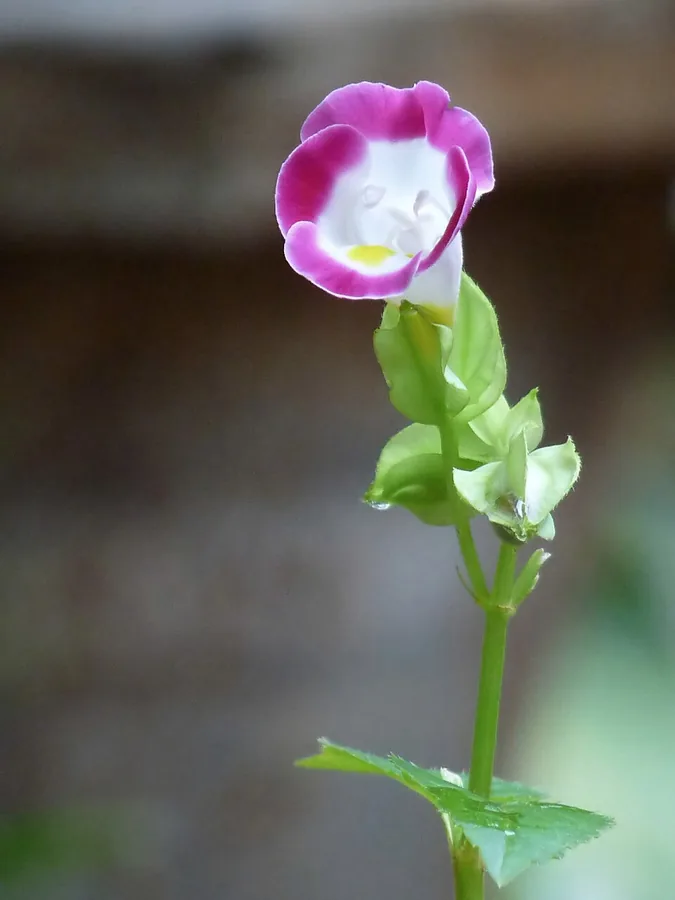
The wishbone flower gets its sweet name from two little stamens that curve together inside every bloom, meeting like a tiny wishbone. If you have a shady corner you thought was hopeless, take heart, because this shade-loving annual fills it with cool blue, purple, pink, and white flowers and keeps them coming from early summer all the way to frost. Color where the sun rarely reaches is exactly its gift.
Most annuals beg for full sun, so a plant that would rather skip it feels like a small gift for the shady side of the yard. Wishbone flower settles in under dappled light and in part to full shade, which makes it a kind friend for a bed along a fence, the dim north side of the house, or a pot on a porch that never bakes. Where summers turn fierce, it will thank you for morning light and a rest from the hard afternoon.
Once it has settled, it asks for very little, and any early stumble is easy to recover from. Keep the soil damp, pinch it back here and there so it stays full, and it flowers on without a single spent bloom to remove. The one thing worth watching is drainage, since tired, soggy roots are really the only way to trouble this otherwise gentle plant.
Care
The short version: keep it in part to full shade, spare it the hot afternoon sun, and water enough to stay evenly damp, roughly 1 to 1.5 inches a week. Plant it in rich, free-draining ground and pinch it back occasionally to keep it full.
Light
This is a shade lover through and through, most content in part to full shade or gentle dappled light. Where summers run hot, treat it to morning sun and cool afternoon shade. Give it too much harsh sun and the stems will stretch while the flowers grow sparse, so lean toward the shady side.
Water
Aim to keep the soil evenly damp, never letting it go dry between drinks. In practice that comes to about 1 to 1.5 inches of water a week, and a soft blanket of mulch keeps the roots cool once the heat sets in.
Soil
Plant it in rich, organic soil that stays moist yet still lets water drain away. A slightly acidic pH of 6.0 to 6.5 makes it happiest, and free drainage is the one thing it truly needs from you.
Temperature
It feels comfortable across a wide span, from about 64°F to 86°F (18°C to 30°C). Being tender, it cannot survive frost, and the fiercest summer heat sits easier on it with a little shade and steady moisture.
Humidity
Everyday outdoor air suits it just fine, so there is no target number to chase. What matters more is gentle air movement, since still, damp air in the shade is what tempts powdery mildew to appear.
Feeding
Work a complete slow-release fertilizer into the bed as you plant, and that single feeding carries it a long way. If the plants start looking hungry, you can offer a little more at roughly 6-week intervals through the growing season.
Pruning
Pinch the new growth back every so often to keep the plant full and compact rather than leggy and loose. Deadheading is one chore you can happily forget, since the flowers tidy themselves and fall away on their own.
Size & spacing
These are small, tidy plants, rising just 6 to 18 inches (15 to 46 cm) tall and spreading 6 to 9 inches (15 to 23 cm) across. That gentle size makes them lovely for edging a path, filling a container, or brightening the front of a shady bed.
When to plant
Wishbone flower cannot take frost, so its year runs from the last cold snap of spring to the first one in fall. Start the seeds indoors while winter is winding down, move the young plants outside once the chill is truly gone, and they reward you with blooms that start in early summer and hold on until frost closes the season. There is plenty of room for a beginner to get the timing right.
Northern hemisphere
Southern hemisphere
Typical months for a temperate climate: start earlier in warm zones, later where spring frosts linger.
- Sow: Start seeds indoors 6 to 8 weeks before the average last frost date.
- Plant: Transplant outdoors after danger of frost has passed, around mid to late April in many regions.
- Harvest: Blooms from early summer (about June) until first frost.
Hardiness
USDA hardiness zones: 2–11
Temperature: down to -46°C
Troubleshooting
Happily, wishbone flower runs into very few troubles, and the handful it does meet almost always come back to soggy soil or too much sun. Watch for the early clues below and you can step in gently, long before a plant is truly lost. Find the sign that matches yours, then act while your help still counts.
Drooping and collapse with soft, darkened roots
When a plant wilts, yellows, and finally flops with roots gone brown and mushy, the culprit is root rot, brought on by soil that stays too wet or drains too slowly. Gently dig at the base and you will feel roots that are soft and sour-smelling instead of firm and pale. Ease back on watering, mix in something that helps the water move through, and lift out any plant that has already turned to mush so the rest can recover.
Fix:
- Improve drainage and reduce watering frequency
- Remove and discard severely affected plants
Sparse blooms and long, reaching stems
If the stems grow long and the flowers thin out, the plant is usually taking in too much hot afternoon sun, and it may be going without a pinch. Shift it somewhere with morning light and afternoon shade, then pinch back the new growth to coax the bushy, flower-filled shape right back. It bounces back kindly once the conditions ease.
Fix:
- Provide morning sun with afternoon shade
- Pinch back new growth to encourage bushiness
A soft white dust across the leaves and stems
Those pale, powdery smudges spreading over the upper leaves are powdery mildew, a fungus that loves shade paired with still, moist air. Give the plants a little more room, coax some fresh air through them, and water down at the soil so the leaves stay dry. It looks worse than it is, and better airflow usually turns things around.
Fix:
- Improve air circulation and spacing
- Avoid wetting foliage when watering
Toxicity
You can breathe easy with this one. Wishbone flower is non-toxic and safe in a home shared with pets, livestock, and children. It never appears on the ASPCA's roster of plants that harm cats or dogs, and not one part of it holds a toxin, so plant it freely wherever your animals and little ones like to roam.
Safe for
People · Cats · Dogs · Horses · Rabbits · Livestock · Birds
Cats None
Wishbone flower is safe for cats. A curious nibble will not poison your cat, though almost any plant can leave a sensitive one with a brief, mild tummy upset.
Dogs None
Nothing in this plant is poisonous, so a dog nibbling the foliage or flowers has nothing to fear.
Horses Safe
A horse can graze near this planting safely, since it contains nothing that would do a horse any harm.
Rabbits Safe
A rabbit that browses the leaves is in no danger, and a patch of wishbone flower may simply become its snack.
Livestock Safe
Cattle, goats, and sheep can graze on it freely, as it poses no poisoning risk to livestock.
Birds Safe
Garden birds and pet birds alike stay safe near wishbone flower, because nothing in it can hurt them.
People Safe
People are safe with it too, so little ones can play among the flowers without worry, keeping in mind it is grown to be admired rather than eaten.
Varieties
Many named series are out there, but a few show up again and again on the garden center bench. These are the friendly ones worth learning by name.
Kauai
A tidy, compact series loved for the dense flush of flowers it produces in part shade.
Duchess
A compact series that opens its blooms early and shows off flowers a good bit larger than most.
Little Kiss
A small, mounding form that is perfect for containers or tucking along the front of a bed.
How to propagate
Growing wishbone flower from seed is refreshingly simple, and it is how most gardeners welcome a fresh batch into the garden each spring.
SeedEasy
Start indoors 6 to 8 weeks before last frost, or direct sow after frost danger passes. · Several weeks to transplant size after germination.
Most gardeners start wishbone flower from seed for spring beds. Sow it indoors 6 to 8 weeks ahead of your last frost, or drop the seed right into warm ground after the cold has gone, and give the little seedlings several weeks to grow big enough to move outside.
Myths
You must deadhead wishbone flower to keep the flowers coming.
There is no need to remove faded flowers by hand. This plant is self-cleaning, dropping its spent blooms and flowering on its own from spring all the way to frost.
Torenia has to have full sun before it will bloom.
It is one of the few annuals that blooms generously in part to full shade. Where summers are hot it truly prefers afternoon shade, since direct sun would only stress it.