Ornamental · Plumbaginaceae
Sea Thrift
Armeria maritima
Sea thrift forgives beginners: give it sun and gritty, quick-draining soil, and it mounds the rock garden in pink for years.
Full sun
Every 7–14 days
USDA 4–8
6–12 in · 15–30 cm
Overview
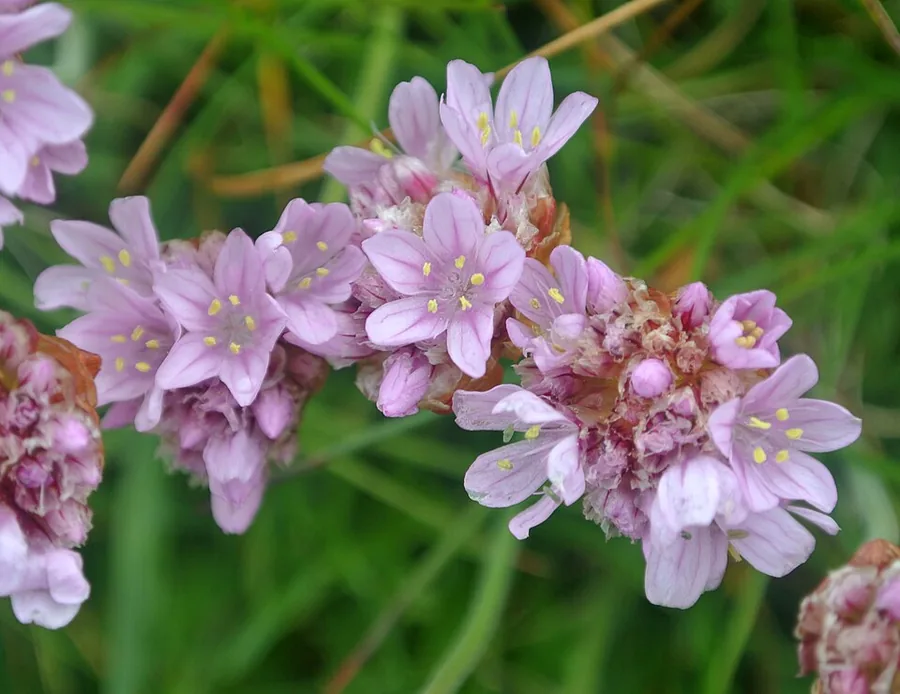
Sea thrift is a kind plant to learn on. It grows wild along coastal cliffs and salt marshes, so it already knows how to cope with hard places, and that toughness works in your favor. The plant builds a neat grassy cushion of slim leaves, then lifts bare stems topped with round pink to white flowers each spring. Standing just 6 to 12 inches tall, it tucks happily into the front of a border, a rock garden, or a gap in a wall.
Here is the reassuring part: the thing that makes sea thrift easy is simply leaving it be. It flourishes in poor, gritty ground and only struggles when it sits in the rich, damp soil many gardeners work so hard to create. So relax, offer it sun and sharp drainage, and let it fend for itself. Missteps are easy to undo, and a struggling clump can nearly always be lifted and saved.
It gives back more than flowers. The mounded foliage holds its green through winter across much of its range, it shrugs off drought, salt spray, and wind, and a settled clump will keep its spot for years before division is due. For anyone anxious about keeping something alive, sea thrift is a forgiving place to start.
Care
The short version: give sea thrift full sun, lean soil that drains fast, and only a little water and food. Keep it on the dry, lean side and it will thank you for years, even if you forget it now and then.
Light
Sea thrift is happiest in full sun, where it flowers most freely. It will get by in partial sun or light shade, but weak light makes the cushion loose and floppy and holds back the blooms, so pick the brightest spot you have.
Water
This is a drought-tough plant that dislikes soggy roots, so lean toward too little rather than too much. Once it has settled in, a drink every 7 to 14 days is plenty, and the soil should dry all the way through between waterings. Standing water is what makes the crown rot, so when in doubt, hold off.
Soil
Plant it in lean, gritty ground that drains fast, and the stonier or sandier the better. It is content anywhere from 6.0 to 7.5 on the pH scale, so most gardens will do. Rich earth or heavy clay clings to water and is the surest way to lose it, so hold back on the compost.
Temperature
Cold is no worry here. Sea thrift takes anything from -29°F to 86°F (-34°C to 30°C) without flinching, so hard winters will not faze it. Its one soft spot is warm, wet air rather than any chill, so summer damp is the thing to watch, not frost.
Humidity
Sea thrift prefers things dry and breezy and sulks in muggy, stagnant corners. There is no target humidity to chase; leave each clump some elbow room so air keeps moving, since still, damp air is what invites mildew.
Feeding
You can almost forget to feed this one. A gentle helping in spring is all it wants, and too much richness backfires, softening the middle of the clump until it rots. Lean, hungry ground is exactly what keeps it thriving.
Pruning
After the flowers fade, snip off the whole spent stem to nudge a little more bloom later in the season. Just resist tidying it too hard in fall, because cutting the foliage right down costs you next spring's flowers.
Repotting
You rarely repot sea thrift. Instead, divide it every 2 to 3 years. Once the center turns woody and bare and the flowering thins, ease the clump up and split it, then replant the healthy outer pieces where they can start fresh.
Size & spacing
Picture a low, tidy mound about 6 to 12 inches (15 to 30 cm) high and roughly as wide. Set new plants about that far apart, which gives the cushions room to knit together without jostling one another or trapping stale, damp air.
When to plant
Sea thrift keeps a gentle cool-season rhythm that is easy to follow. Sow the seed in late winter, settle young plants into the garden in spring after your last frost, and the earliest pink globes will open across April and May, with a stray bloom returning here and there through summer and fall.
Northern hemisphere
Southern hemisphere
Typical months for a temperate climate: start earlier in warm zones, later where spring frosts linger.
- Sow: late winter to early spring
- Plant: spring after last frost
- Harvest: mid to late spring (April-May) with sporadic summer/fall rebloom
Hardiness
USDA hardiness zones: 4–8
Temperature: down to -34°C
Troubleshooting
Try not to worry: nearly every trouble with sea thrift traces to one cause, and that is water lingering where it shouldn't. Sort the drainage out and much of what follows never appears. If a warning sign does turn up, match it to its cause below and step in early, before any rot reaches the crown.
The middle of the mound has died back
This is crown rot, the most common reason sea thrift is lost, though a plant caught early can usually be rescued, so try not to panic. It takes hold when the center stays wet too long, whether from heavy clay, over-rich soil, or a drawn-out damp fall. Lift the clump, cut out the dead heart, and settle the living outer pieces back into gritty, lean soil that sheds water fast.
Fix:
- Lift and divide the clump, discarding the dead center
- Replant healthy outer divisions in lean, gritty, very well-drained soil
- Reduce watering
A wilting clump in wet ground
When the soil never gets a chance to dry, root rot creeps in, and oddly the plant droops even while the ground is soaking. The tell is a wilting clump whose roots have gone soft and dark. Shift it into gritty soil that drains quickly and keep the watering can away until it perks up, since most plants bounce back once their roots can breathe.
Fix:
- Improve drainage
- Withhold water
- Move or replant in gritty, fast-draining soil
Sticky new shoots or nibbled, ragged leaves
Two small pests are usually behind this, and neither is serious. Aphids collect along the stems and leave new shoots sticky and kinked, while slugs and snails rasp ragged holes and drag slime across the leaves. A firm jet of water clears the aphids, insecticidal soap deals with the stubborn ones, and the slugs are easy to gather or trap once the sun goes down.
Fix:
- Rinse aphids with a strong stream of water or use insecticidal soap
- Hand-pick or trap slugs and snails
A powdery white bloom on the leaves
That dusty white bloom is powdery mildew, a fungus that moves in when the air hangs humid and plants are packed too tight. Open the planting up so a breeze can pass through, pinch off the worst leaves, and keep the foliage dry. Given full sun and sharp drainage, it seldom returns.
Fix:
- Improve air circulation
- Remove affected foliage
- Avoid overhead watering
Toxicity
Here is a relief for homes with pets or curious little ones: sea thrift is not toxic. Nothing on record marks it as poisonous to animals, livestock, or people, so a curious taste is no cause for concern. Wash your hands after gardening, the same as with any plant.
Safe for
People · Cats · Dogs · Horses · Rabbits · Livestock · Birds
Cats None
Nothing about sea thrift is rated dangerous to cats, so a curious taste need not worry you. Like any plant, a very large mouthful could bring a short, mild bout of tummy upset, and nothing more.
Dogs None
Dogs are welcome to share the garden with sea thrift, since no part of it is poisonous. A pup that bolts a big helping of leaves might feel briefly queasy, but that is as far as it goes.
Horses Safe
Horses have nothing to fear from sea thrift, which appears on no toxic list. It is only a low rock-garden plant, barely a mouthful, and carries no real risk.
Rabbits Safe
Rabbits can nibble around sea thrift with no harm done, as the plant holds nothing toxic. Even so, it is wise not to let them live on any one garden plant alone.
Livestock Safe
Cattle, goats, and sheep are in no danger from sea thrift, which holds no toxic rating at all. Its low, grassy cushion is not much of a temptation to a grazing animal in any case.
Birds Safe
Garden birds and wild ones alike are perfectly safe around sea thrift. Not one part of it, leaf, stem, or flower, will do them any harm.
People Safe
Sea thrift is not rated poisonous to people, so handling it and working alongside it is quite safe. Rinse your hands once you are done in the soil, the same as with any plant.
Generally safe to handle; wash hands after gardening as a routine precaution.
Varieties
If you want something beyond the wild pink, a handful of named forms offer different flower shades and even tinted leaves. These few turn up most often at a nursery.
Alba
Alba swaps the familiar pink globes for pure white ones, a soft choice for a paler planting.
Splendens
Splendens turns up the color, lifting deep rose-pink blooms over its green cushion.
Rubrifolia
Rubrifolia colors its leaves a reddish-purple that makes the pink flowers stand out.
Vindictive
Vindictive stays neat and blooms freely in rose-red, and gardeners have long counted it among the finest forms.
How to propagate
Making more sea thrift is refreshingly simple, and there are three routes to choose from. Which one suits you depends on whether you want quick results, a batch of free plants, or a faithful copy of a favorite clump.
DivisionEasy
Spring · One growing season
Splitting the clump in spring is the most reliable way to keep sea thrift going, and it happily doubles as a cure for a tired, aging plant. Discard the woody dead middle that builds up in older clumps, then tuck the fresh outer pieces back in. Give them one growing season and they will be established.
SeedEasy
Sow in spring or fall · Generally flowers in the second year
Seed germinates without fuss whether you sow in spring or in fall. Patience pays here, since most seedlings wait until their second year to flower.
Stem cuttingsModerate
Summer · Several weeks to a few months
To copy a plant you especially like, take basal cuttings in summer. This route asks more patience than division and roots slowly, taking anywhere from several weeks to a few months.
Myths
Sea thrift never lasts long and always fades out after a couple of seasons.
Take heart, that short life is not the plant's true nature. Given full sun and lean, sharp-draining soil, sea thrift carries on for many years. What reads as an early death is nearly always crown rot moving in from soil left too wet or too rich. Sort the drainage and it stays with you for years.