Houseplant · Davalliaceae
Rabbit's Foot Fern
Davallia fejeensis
Give it gentle light, steady moisture, and a little extra humidity, and those furry paws will happily wander over the pot.
Bright indirect
Every 5–10 days
55–75°F · 13–24°C
USDA 10–12
Overview
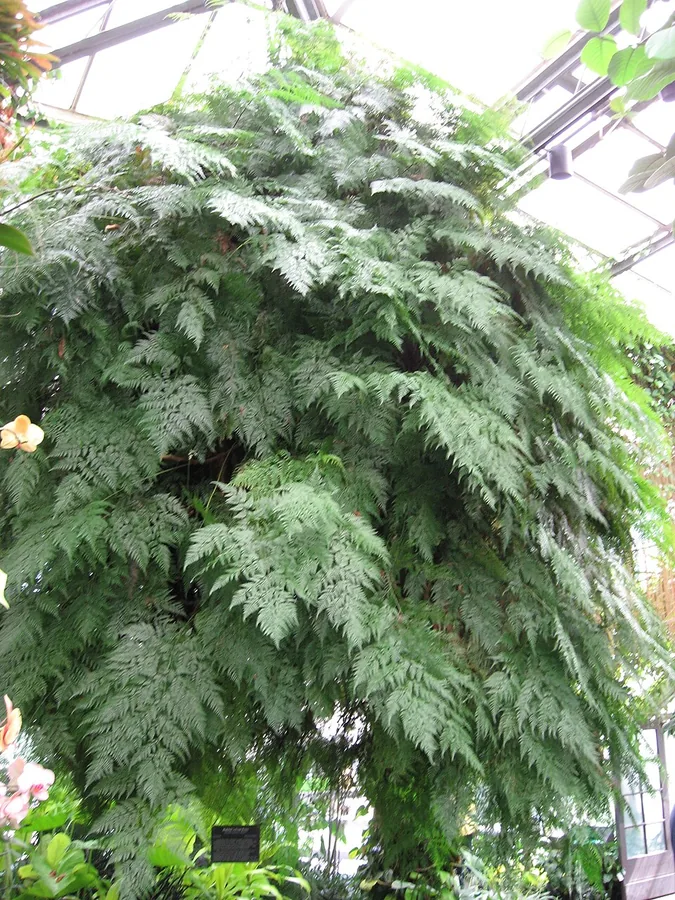
If a fern has ever felt too fussy for you, this is a kind one to begin with. The rabbit's foot fern takes its name from the soft, furry rhizomes that travel over the rim of the pot like small animal feet, and watching them go is half the fun. It is a true fern from the islands of Fiji, kept indoors for its lacy, finely divided fronds and that gentle, offbeat charm.
Here is the one thing that sets it apart, and it is nothing to be nervous about: it carries its rhizomes right out on top of the soil instead of hiding them. The fronds lift from those creeping stems in a soft, loose mound that widens as the plant settles in. It stays short but spreads generously, so a hanging basket or an open shelf, where the paws can dangle over the edge, suits it beautifully.
The only real ask is a bit more humidity than the average houseplant, and that is easy to arrange. Keep the air damp, the light soft, and the furry paws sitting on top of the mix, and it will happily settle in for years. If watering slips or the rhizomes get buried, you may see brown fronds or a little rot, but even that is usually easy to walk back.
Care
The short version: bright indirect light, a mix kept evenly moist and never bone dry, humid air around 50% to 70%, and the furry rhizomes resting on top of the soil where they belong.
Light
Set it near a window with bright, indirect light that never gets hit by harsh midday sun. It will get by in partial shade or medium light, but the fronds fill in most fully where the light is bright and filtered. Direct sun scorches the tender foliage, so keep it just out of reach.
Water
Aim to keep the mix evenly moist but never soggy, watering about every 5 to 10 days once the top half-inch feels dry. From fall through late winter, ease back a little as growth slows down. Those surface rhizomes will rot if they stay wet, so free-draining soil is your friend.
Soil
Pot it in a peat-based mix that is rich in organic matter and drains freely. A slightly acidic pH of 5.5 to 6.5 is just right, and a light, airy blend lets water slip past the roots and rhizomes instead of pooling.
Temperature
Ordinary room warmth keeps it content, somewhere between 55°F to 75°F (13°C to 24°C). Try to keep it away from cold drafts and hot air vents, since both can stress those fine fronds.
Humidity
This is the one request worth honoring. Shoot for 50% to 70% humidity, which is higher than most homes sit at, with help from a pebble tray, a humidifier, or a cluster of plants nearby. When the air runs dry, the frond tips are the first to crisp.
Feeding
Feed it monthly across spring and summer with a balanced liquid fertilizer thinned to half strength. Let it rest through fall and winter with no feeding at all, and it will be happier for the break.
Pruning
There is no heavy pruning here, which is a relief. Simply trim off any dead, browned, or damaged fronds at the base to keep it looking neat and to open space for new growth to come through.
Repotting
Plan to repot only every 2 to 3 years, once the rhizomes and roots crowd the surface or the mix dries out surprisingly fast. Step up just one pot size, and remember the golden rule: leave the furry rhizomes resting on top rather than tucking them under.
Size & spacing
Expect it to reach around 12 to 35 inches (30 to 90 cm) tall while spreading much wider, from 1 to 4 feet (30 to 120 cm) as the paws wander outward. Give it space to sprawl, or hang it up so those furry feet can trail over the edge.
Troubleshooting
Almost every problem with this fern shows up in one of two places, on the fronds or on the paws, and each points somewhere different. Crispy tips usually mean the air has gone dry, while soft brown rhizomes mean the roots are too wet. Find your symptom below and you can set things right before it goes further.
Furry rhizomes going soft and brown
The fuzzy paws creeping over the pot are surface rhizomes, and they turn to mush when they sit in wet mix or get buried. What you are seeing is rhizome rot, usually from soil that stays too soggy or from tucking the paws under the surface. Lift them back onto the top of the mix, trim away any soft sections, and let the soil dry to the right point before the next drink, and the plant should bounce back.
Fix:
- Uncover the rhizomes and rest them on the mix surface
- Let the medium dry to the recommended level
- Improve drainage and remove any rotted rhizome sections
Sticky film and little bumps on the fronds
A sticky coating, fine speckling, or tiny raised bumps are a sign that pests have arrived, most often scale insects, and now and then spider mites or mealybugs. Look the fronds and rhizomes over for brown scales, faint webbing, or small white cottony tufts. Wipe the pests away, keep the plant apart from your others for a while, and treat with a horticultural soap or oil that is safe for ferns until the fronds are clean again.
Fix:
- Wipe off pests and isolate the plant
- Treat with horticultural soap or oil suited to ferns
- Repeat treatments until clear
Crispy brown tips on the fronds
When the browning stays out at the tips and edges and the rhizomes still feel firm, the cause is nearly always dry air or thirst, not rot. This little fern misses the moist air of its rainforest home. Set it on a pebble tray or beside a humidifier, keep the mix evenly damp, and shift it away from heating and cooling vents that pull the moisture out.
Fix:
- Raise ambient humidity with a pebble tray or humidifier
- Keep the mix evenly moist
- Move away from heating/cooling vents
Toxicity
Good news if you share your home with animals: the rabbit's foot fern is a non-toxic true fern, listed by the ASPCA as safe for cats, dogs, and horses. Nothing in the fronds or the furry paws will poison a pet that takes a curious bite, so it can sit on a low shelf without any worry. A pet that eats a big helping of any plant might get a brief upset stomach, and that is all.
Safe for
People · Cats · Dogs · Horses · Rabbits · Livestock · Birds
Cats None
This fern sits on the ASPCA's non-toxic list, so a cat that chews a frond has nothing to fear. A very large mouthful of any plant might unsettle a sensitive tummy for a day, and that is the worst of it.
Dogs None
Dogs are welcome to share a room with it without any risk. The fronds and furry paws are harmless, though a dog that wolfs down a lot of leaf may drool or bring it back up.
Horses None
Horses are not bothered by anything in this plant, and it carries no caution aimed their way.
Rabbits Safe
A rabbit is safe around it, since true ferns of this kind hold nothing harmful, so a nibbled frond is nothing to lose sleep over.
Livestock Safe
Grazers like goats, sheep, and cattle come to no harm from this fern, which lacks the toxins that lurk in some wild ferns.
Birds Safe
Pet birds are safe in its company, and a curious peck at a frond does nothing at all.
People Safe
It is a safe choice for a home with little ones, and it is not a plant grown to be eaten. Give your hands a wash after handling the soil, the same as with any houseplant.
No special handling precautions are required; the plant is non-toxic, though the furry surface rhizomes should be left exposed on the mix rather than buried.
Varieties
A few named forms show up in the houseplant world, each playing with that lacy look in its own way.
'Plumosa'
A feathery form whose narrow, finely divided segments give the whole plant an even lacier, softer look.
'Dwarf Ripple'
A compact pick that stays around 6 to 18 inches (15 to 45 cm) tall, which is handy when space is tight.
How to propagate
Growing more of these ferns is easier than it looks once you make friends with the creeping rhizomes, because those very paws are what you root.
DivisionModerate
Spring · 4-8 weeks
The simplest way to make more is by division in spring. Take rhizome tip cuttings about 2 to 3 inches long that each carry a frond or two, press them gently onto moist mix so the rhizome stays in contact, and keep them warm and humid while they root, which happens over about 4 to 8 weeks. Spores are possible too, but that path is slower and much less dependable, so most growers stick with division.
Myths
The furry rhizomes crawling over the pot are roots that belong buried in the soil.
Those fuzzy paws are surface rhizomes, not roots, and they are built to creep across the top of the mix and over the edge of the pot. Bury them and they rot instead of grow. Let them sit right out in the open where you can watch them travel.