Houseplant · Piperaceae
Baby Rubber Plant
Peperomia obtusifolia
Offer it bright indirect light and a good long dry spell between waterings, and this easygoing peperomia nearly looks after itself.
Bright indirect
USDA 10–12
6–24 in · 15–61 cm
Overview
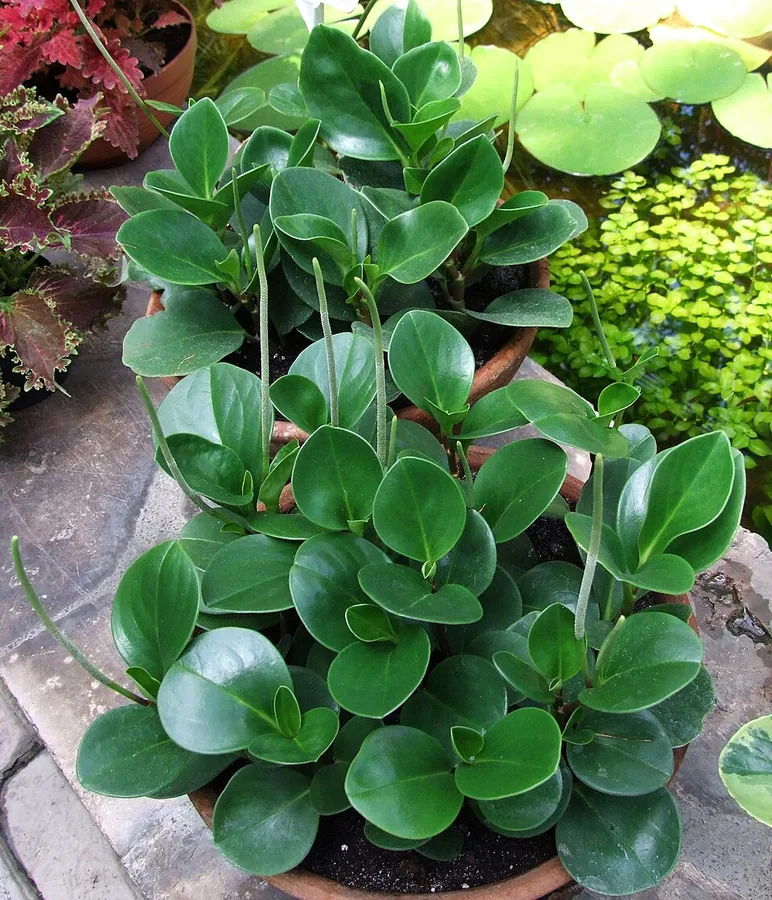
If you are new to houseplants and a little nervous, the baby rubber plant is a kind place to begin. It comes from the pepper family and grows wild from Florida down through tropical America, creeping low across the forest floor. In your home it stays modest, reaching 6 to 24 inches (15 to 61 cm), and its thick, glossy leaves look so tidy you might wonder if they are real.
Those plump leaves are the secret to everything, since they hold water like a little succulent. That means the baby rubber plant forgives a forgotten watering and simply waits for you, though it does dislike sitting in soggy soil. Once you have the watering rhythm, the rest falls into place, because it asks for little light, little feeding, and very little fuss.
Variegated forms fold in soft cream, white, and gold, and they keep those pretty colors only in brighter light. The plain green types are the sturdiest of the family and will happily settle into a dim corner that would fade a fancier cultivar, so there is a version here to suit almost any room you have.
Care
The short version: give it bright indirect light and let the potting mix dry almost completely before the next drink. Pot it in a fast-draining mix, feed lightly through spring and summer, and simply keep it above 50°F (10°C).
Light
Offer it bright, indirect light for the healthiest growth and the richest leaf color. It will get by in low light too, especially the plain green types, though a variegated plant tends to fade and stretch when a spot is too dim. Just keep it clear of direct sun, which can scorch the leaves.
Water
This really is where most baby rubber plants thrive or struggle, so go gently. Let the mix dry almost completely before you water again, because the fleshy leaves carry their own reserve and rot quickly in soggy soil. Ease back even more from fall through late winter, when the plant naturally slows down.
Soil
Pot it up in a well-drained houseplant or cactus mix, or a peaty blend that lets water flow through. It is easygoing about pH, content anywhere from 6.0 to 8.0, as long as the soil never stays waterlogged. A pot with drainage holes matters every bit as much as the mix you choose.
Temperature
Treat it as the tropical plant it is and keep it comfortably above 50°F (10°C). Ordinary room warmth suits it all year, but cold drafts and chilly winter windowsills can set it back, so nudge it somewhere cozier when the weather turns.
Humidity
Average indoor humidity is plenty, so there is no number to chase and nothing to fret about. It handles dry rooms better than most tropicals, though a little extra moisture in the air helps keep spider mites away.
Feeding
Feed only through the spring and summer growth, when the plant can actually put it to use. A diluted liquid houseplant fertilizer once a month does nicely, or tuck in a slow-release granular feed once a year and let it be. Give feeding a rest through fall and winter.
Pruning
Simply pull off any old or tired leaves whenever you notice them. To coax out a fuller, bushier plant, snip a stem just above a leaf node, and it will happily branch out from that spot.
Repotting
This is a contented, stay-put kind of plant that can live in the same pot for several years. Repot only when roots crowd or circle the pot, the soil dries out oddly fast, or new growth quietly stalls.
Size & spacing
Look forward to a neat little plant of 6 to 24 inches (15 to 61 cm) tall and about as wide. Its small, mounding shape settles happily onto a desk, a shelf, or a windowsill without crowding whatever sits beside it.
Troubleshooting
Almost every hiccup with this plant leads back to water, and usually to a touch too much of it. Once you learn to read its leaves and stems, you can catch small troubles early, well before the roots suffer. Find what matches below, make a gentle adjustment, and it will come right.
A drooping plant with soft, mushy stems near the soil
Take a breath, because this is fixable more often than it looks. What you are seeing is root and stem rot, and it nearly always follows soil that stayed wet too long. Those plump, water-filled leaves make the plant heavy up top, so it topples once the roots weaken. Gently lift it out, trim away every soft brown root and stem, and settle it into fresh mix that drains fast. Even if the center is lost, a few good cuttings will let you begin again with confidence.
Fix:
- Remove the plant from wet soil and cut away all soft, brown, rotted roots and stem tissue
- Repot into fresh, well-drained potting or cactus mix in a pot with drainage holes
- Withhold water until the mix is nearly dry, then water sparingly
- If the crown is lost, root healthy stem or leaf cuttings to save the plant
Leaves turning yellow and falling away
Don't worry, the plant is simply telling you it has had a little too much water, and it forgives this easily. Its fleshy leaves keep their own reserve tucked away, so the soil should feel nearly dry before the next drink. Pause your watering, tip out the saucer, and let things dry, and you'll find it copes with a dry stretch far more happily than a soggy one.
Fix:
- Stop watering and allow the soil to dry out almost completely
- Improve drainage and empty any standing water from the saucer
- Resume a let-dry-completely watering routine
Webbing, white cottony clumps, or a sticky film on the leaves
Take heart, these common houseplant pests are all beatable with a little patience. Spider mites leave fine webbing and a speckled, dusty look, mealybugs gather as soft white tufts where the leaves meet the stem, and whiteflies flutter up when you brush past. Slide the plant away from its friends, touch each mealybug with an alcohol-dipped swab, and rinse and treat the leaves with insecticidal soap or horticultural oil until every last one is gone.
Fix:
- Isolate the plant to prevent spread
- Wipe off mealybugs with a cotton swab dipped in alcohol
- Rinse foliage and treat with insecticidal soap or horticultural oil, repeating as directed
- Raising humidity discourages spider mites
Corky, blister-like bumps under the leaves
These rough little bumps look alarming, yet they are only oedema, and nothing your plant can pass to its neighbors. They appear when the roots pull up water faster than the leaves can breathe it out, usually after wet soil met with dim light or damp air. Water a bit less, offer brighter light and gentle airflow, and the fresh leaves will come in flawless. The older marks stay put, so snip a badly spotted leaf only if it bothers you.
Fix:
- Reduce watering and let the mix dry between waterings
- Increase light levels and air circulation
- Lower ambient humidity around the plant
- Remove badly affected leaves for appearance (damage is permanent on existing leaves)
Stretched, leggy stems and fading color
When a room feels too dim, the plant leans and reaches for what light there is, and the stems grow long and thin. Variegated types lose their bright contrast and drift back toward plain green. There is an easy remedy: move it somewhere brighter, just out of harsh midday sun, give it a quarter turn now and then, and pinch the long stems above a node so it fills out full and happy again.
Fix:
- Move to a brighter spot with bright indirect light (out of direct midday sun)
- Rotate the plant periodically for even growth
- Pinch or prune leggy stems above a node to encourage branching
Bleached or scorched patches on sun-facing leaves
Dry, faded patches on the leaves that face the window are simply a sign of too much direct sun, which these soft leaves cannot handle for long. Strong afternoon rays are usually to blame. Ease the plant back to a bright but sheltered spot, and trim the worst leaves away, since those burned patches will not knit back together.
Fix:
- Move the plant out of direct sun to a bright indirect location
- Remove severely scorched leaves
Toxicity
Here is some comforting news for a busy home: the baby rubber plant is non-toxic and pet-safe. The ASPCA and university extensions list it as harmless to cats, dogs, and horses, so a stray nibble from a pet or a curious child is nothing to lose sleep over.
Safe for
People · Cats · Dogs · Horses · Rabbits · Livestock · Birds
Cats None
You can relax with a cat in the house, since the ASPCA lists this plant as non-toxic and a curious nibble does no harm. A cat that overdoes it on any houseplant might bring a little back up, but the leaves themselves hold nothing that could poison her.
Dogs None
Dogs are safe around it too, and the ASPCA confirms there are no toxic effects to worry about. A greedy mouthful might just pass through with a soft stool, so there is truly nothing dangerous at work here.
Horses None
NC State lists it as non-toxic to horses, so even a stray taste will not hurt one. Being a small indoor plant, it rarely finds its way near a horse anyway, which puts the matter to rest.
Rabbits None
Rabbits have nothing to fear from it, as the fleshy leaves carry no toxins at all. Their usual leafy greens still make the better daily meal, but a nibble of this will not set them back.
Livestock None
It is free of the compounds that trouble grazing animals, so livestock are safe near it. As a houseplant rather than something in the field, it rarely crosses their path in the first place.
Birds None
A household parrot can peck at it without any risk, since nothing in the plant poisons birds. Those thick leaves simply are not part of a healthy bird diet, so treat them as scenery rather than a snack.
People None
It is safe to keep near children, with no toxic compounds to cause trouble if a leaf gets chewed. It is not grown to be eaten, so there is no reason to serve it and no reason to fret over a small curious taste.
No special handling required for pet households; documented non-toxic
Varieties
Most of the named forms come down to the leaves, ranging from solid green to bold cream and gold variegation. These are the ones you are most likely to meet.
'Variegata'
Its grey-green leaves wear blotches of green and a wide creamy-white edge, and that soft margin keeps its color best when you give the plant brighter indirect light.
'Alba'
The newest leaves open almost pure white to yellow with a warm flush of bright red, then mellow into greener shades as they age.
'Albomarginata'
Grey-green leaves are ringed with a silvery border, and the 'Albomarginata Minima' form scales the whole plant down to a sweet little dwarf.
'Minima'
This is a compact grower whose small leaves reach only one to two inches long, making it a lovely choice for a tight corner or a small pot.
'Gold Tip'
Marbled variegation flows across every leaf, each one finished off with a cheerful gold tip.
'USA'
Its leaves break into patches of several shades at once for a busier, gently mottled look you will enjoy up close.
'Obtipan Green'
A short, clumping plant dressed in solid emerald-green leaves, with none of the variegation the others carry.
How to propagate
Few plants share themselves as generously as this one. A single leaf, a stem tip, or a divided clump will all take root with barely any effort, so one healthy plant soon becomes several to keep or give away.
Leaf cuttingsEasy
Spring to summer · Several weeks to root
Here is a beginner-friendly place to start: take a single leaf with about an inch of petiole in spring or summer and nestle it into moist mix. Over several weeks it quietly roots into a whole new plant, and honestly, few tricks in growing feel as rewarding for so little effort.
Stem cuttingsEasy
Spring to summer · Several weeks to root
During the spring and summer growth, clip a tip or stem cutting and stand it in water or moist mix. Roots come along over a few weeks, and the young cutting grows up looking just like the parent, so you cannot really go wrong.
DivisionEasy
Spring at repotting · Several weeks
When repotting time comes around in spring, ease a crowded clump apart into smaller pieces, each one keeping its own roots. They settle in over several weeks and hand you full-sized plants right away, which feels wonderful for such simple work.
Myths
The baby rubber plant is a true rubber plant related to the rubber tree.
The name is really all these two share. Peperomia obtusifolia sits in the pepper family, Piperaceae, while the true rubber plant, Ficus elastica, belongs to the fig family instead. That common name only nods to the thick, glossy, rubbery-looking leaves, and points to no real family tie at all.
It is a hardy outdoor plant for temperate gardens.
This is a tropical plant at heart, hardy only in USDA zones 10 to 12 and quick to suffer in the cold. Keep it above about 50°F (10°C) and it stays content, which is exactly why it lives happily indoors nearly everywhere and only ventures out for summers where the nights stay warm.
Sources
- ASPCA Animal Poison Control
- NC State Extension Gardener Plant Toolbox
- Missouri Botanical Garden Plant Finder
- Clemson Cooperative Extension HGIC
- University of Missouri Integrated Pest Management
- UF/IFAS Extension (EDIS FPS466/FP466)
- UMass Amherst Center for Agriculture, Food, and the Environment (Greenhouse & Floriculture)
- Plants of the World Online, Royal Botanic Gardens Kew