Houseplant · Dryopteridaceae
Holly Fern
Cyrtomium falcatum
With glossy, holly-shaped fronds and a pet-safe, shade-loving nature, this fern is a kind place to start.
Partial shade
Every 5–7 days
50–75°F · 10–24°C
USDA 6–10
Overview
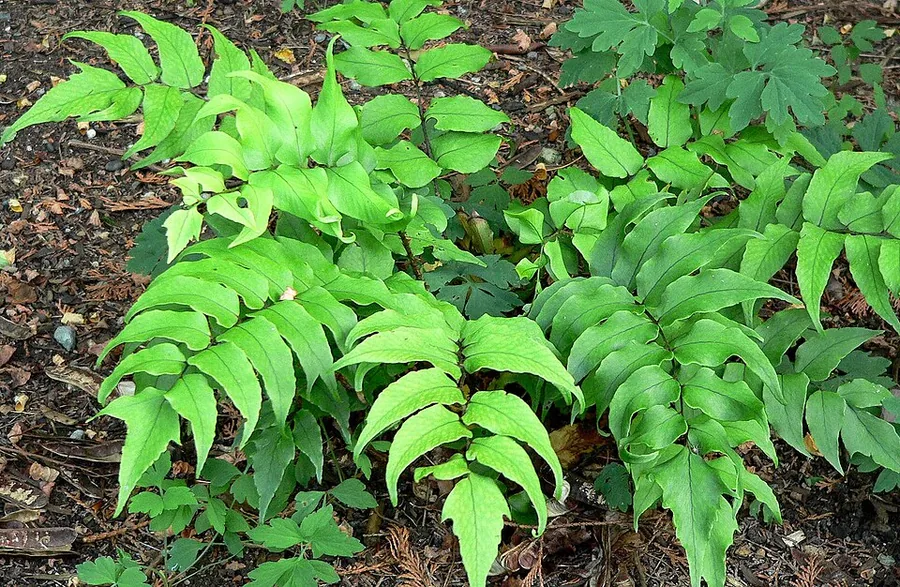
Holly fern takes its name from the way its fronds split into glossy, leathery leaflets that echo holly leaves so closely. It belongs to the wood fern family and hails from East Asia, where it settles into shaded, rocky ground. Even with that look-alike foliage, it is a true fern and shares nothing with the toxic holly shrub, so you can welcome it in without a second thought.
Indoors it turns out to be one of the most forgiving houseplants you can pick, which is a comfort if you are still finding your feet. The dark green fronds arch out from a central crown into a modest clump, and their thick texture shrugs off dry indoor air and dim corners better than most ferns will. Because it grows slowly, a happy plant keeps its lovely shape for years and never crowds a shelf.
All this fern asks for is steady moisture, a shady spot, and a little humidity, and it rewards your care by staying safe around pets and children. That easygoing nature paired with good looks is exactly why so many growers keep one on the windowsill, and why you can feel confident it will thrive under your hand.
Care
The short version: give it part to full shade, soil kept evenly moist but never soggy, cozy rooms between 50°F and 75°F (10°C to 24°C), and a little humidity around the fronds, and it will be happy.
Light
Holly fern is happiest in part to full shade, and it settles right into the bright to medium indirect light of an ordinary room. Keep it away from direct sun, which will scorch the fronds and fade their deep green to a tired yellow, so a spot back from the window is just right.
Water
Aim to keep the soil evenly moist but never waterlogged, giving it a drink roughly every 5 to 7 days once the surface begins to dry. This fern does not shrug off a long dry stretch, so try not to let it bake out between waterings and it will stay lush for you.
Soil
Set it in rich, humusy, well-drained loam that holds steady moisture without turning to mud. It is easygoing about acidity across a range from 5.5 to 7.5, so most general potting mixes will suit it with a handful of compost stirred in.
Temperature
Everyday room warmth between 50°F and 75°F (10°C to 24°C) is all it wants. Just keep the plant clear of cold drafts and hot radiators, since both dry out and crisp the frond edges.
Humidity
This one loves moisture in the air and thrives at 50% to 70%. If your home runs dry, cluster it with other plants or rest the pot on a pebble tray, because thirsty air browns the frond tips first.
Feeding
All through spring and summer, feed it monthly with a balanced liquid fertilizer watered down to half strength. Ease right off in fall and winter, when the plant slows down and barely puts on growth.
Pruning
You will hardly need to prune at all. Simply trim away any damaged, dead, or winter-burned fronds at the base to keep the clump looking fresh and to leave room for new growth to come in.
Repotting
Shift it into a slightly bigger pot every 2 to 3 years, or a touch sooner once roots poke through the drainage holes and water rushes straight through. A crown pressing tight against the pot wall is the other gentle nudge that it is time.
Size & spacing
Indoors the clump grows to about 12 to 24 inches (30 to 60 cm) tall and reaches 24 to 35 inches (60 to 90 cm) across. Give it a little elbow room so air can move freely around the fronds and disease stays away.
Troubleshooting
Holly fern is a hard plant to lose, but a handful of hiccups can turn up indoors, and none of them need to rattle you. Most come down to a little too much water or not enough moving air, and the first hints show up on the fronds and at the crown. Find what matches below and step in early, and you will head it off with ease.
Drooping fronds above a mushy, darkening crown
When the fronds droop and the base goes black and mushy, soggy soil has brought on root rot, and catching it early gives your plant a real chance. Ease it out of the pot and feel the roots, which want to be firm and pale rather than brown and sour-smelling. Snip off every soft root, settle the plant into fresh well-draining mix, and water much more sparingly going forward so the crown never stays wet.
Fix:
- Remove the plant and trim away all soft, blackened roots
- Repot into fresh, well-draining humusy mix
- Reduce watering and ensure the container drains freely
Tacky residue and little tan bumps on yellowing fronds
If you spot raised brown or tan bumps clinging to the stalks, you are looking at scale insects, and the little cottony white tufts hiding in the leaf joints are mealybugs. They sip sap from the fronds and leave a sticky honeydew behind that invites ants and sooty mold, but you can turn this around. Wipe the pests away with soapy water or a dab of 70% alcohol, follow up with horticultural oil under the fronds, and set the plant apart from your others while it recovers.
Fix:
- Wipe off insects with a cloth dipped in soapy water or 70% isopropyl alcohol
- Treat with horticultural oil or insecticidal soap, covering frond undersides
- Isolate the plant until the infestation clears
Brown speckles and patchy marks turning up on the leaves
Small brown or black spots, often ringed or looking water-soaked, are a sign of fungal leaf spot settling into still, damp air. Don't worry, it is an easy fix: gently pull off the marked fronds and throw them out. Let more air move around the plant and pour water at the soil line so the leaves stay dry and the spores have nowhere to travel.
Fix:
- Remove and discard affected fronds
- Improve air circulation and avoid wetting the foliage when watering
- Apply a fungicide if spotting is widespread
Toxicity
Here is the reassuring part for pet owners: holly fern is non-toxic through and through. The ASPCA and extension sources mark it safe for cats, dogs, and horses, and because it is a true fern it carries none of the poison found in the holly shrub it mimics. Set it wherever a curious pet or child might wander, and rest easy.
Safe for
People · Cats · Dogs · Horses · Rabbits · Livestock · Birds
Cats None
You can relax if a cat sneaks a nibble, because the ASPCA lists holly fern as non-toxic and no poisoning follows. A cat that gobbles a big mouthful of any greenery might cough it up again, but that is just fiber at work, not a toxin.
Dogs None
A dog can chew on the fronds with nothing to fear, since this true fern holds no poison at all. The worst a greedy mouthful might do is pass through as a mild, brief tummy upset.
Horses None
Horses show no ill effects from this fern, so you have nothing to worry about there. Remember it is the safe true fern, not the poisonous English holly that happens to share its leaf shape.
Rabbits None
There is nothing in the fronds to bother a rabbit, so the plant sits comfortably safe around them.
Livestock None
Grazing animals run no poisoning risk from this fern, since it carries none of the toxins hiding in true holly.
Birds None
Pet and backyard birds are welcome to perch and peck at the fronds with nothing here to harm them.
People None
Holly fern brings no poisoning danger to people, children included, though it is grown to admire rather than to eat.
No special handling required; safe to grow around pets and children.
Varieties
Most holly ferns you find are the plain species, but a couple of named forms show up now and then, and it helps to be able to tell them apart.
'Rochfordianum'
You will know this vase-shaped cultivar by its arching, glossy fronds, whose leaflets wear coarsely fringed and deeply toothed edges.
var. maritimum
This tidier, more compact form carries smaller, shiny dark green fronds that settle happily into a snugger corner.
How to propagate
Holly fern multiplies at a slow but steady pace, and splitting an established clump is far gentler on your nerves than coaxing along spores.
DivisionModerate
Spring · 1-2 months
The easiest way to grow more holly fern is division in spring, and it is well within reach for a beginner. Lift a mature clump and gently pull it apart so each piece keeps its own roots and a few fronds, and your new divisions will take hold over the next one to two months. The plant does drop spores from its fronds too, though spore-grown ferns arrive slowly and far less reliably, which is why most growers happily stick with division.
Myths
Since its leaflets look just like holly, the fern must be poisonous too.
Those leaflets may echo holly, but the likeness stops at the shape and goes no further. What you have is a true fern, Cyrtomium falcatum, while the poisonous plant is English holly (Ilex), an unrelated flowering shrub. The fern is non-toxic and safe to keep around pets and children.