Houseplant · Araliaceae
English Ivy
Hedera helix
Forgiving, shade-loving, and quick to fill a pot, English ivy will trail or climb right where you guide it.
Bright indirect
50–70°F · 10–21°C
USDA 4–13
20–79 ft · 6–24 m
Overview
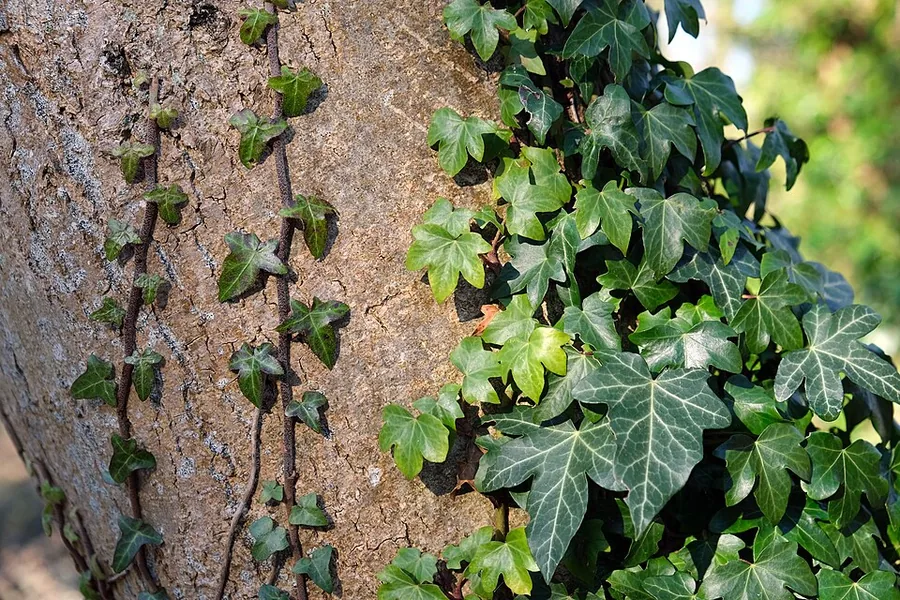
English ivy is that trailing evergreen vine you have seen tumbling out of hanging baskets and creeping up brick walls, and it is a kind plant to start with. It belongs to the aralia family and hails from Europe, where it has draped woods and old buildings for centuries. Indoors it settles into an easygoing houseplant, pushing out long, leafy stems that spill over a shelf or wind around a trellis.
The lovely thing is how little it asks of you. It happily takes bright indirect light yet gets along just fine in low light and partial shade, and it grows quickly enough to fill a pot in a single season. Train it up a moss pole, shape it into a topiary, or simply let it dangle, because it shrugs off pruning and forgives the odd slip.
The one thing to keep in mind is that all that vigor becomes a headache outdoors. English ivy is toxic to pets and an invasive weed across much of the US, where it overruns native plants and climbs into siding and gutters. Grown indoors and kept off walls and out of little paws and hands, it stays a handsome, low-fuss companion you will feel proud to keep.
Care
The short version: give it bright indirect light though it is content in shade, water only once the top half inch has dried, keep it cool with a bit of humidity, and prune whenever you please to keep it tidy.
Light
English ivy is happiest in bright, indirect light, which keeps the variegated kinds bright and patterned. It also gets by in medium light, low light, and partial shade, so it settles into spots where pickier plants would sulk. Deep shade slows it and softens the markings, but rest easy, it won't give up on you there.
Water
Give it a thorough drink, then hold off until the top half inch (about 1.3 cm) of soil feels dry before watering again. Ivy really dislikes soggy roots, so never leave the pot sitting in a saucer of water, which leads to rot. When you are unsure, lean toward a little too dry rather than too wet, and it will forgive you.
Soil
Reach for a good houseplant potting mix with excellent drainage, since standing wetness is the one thing ivy struggles to forgive. Out in the garden it is far less choosy and takes clay, loam, sand, and even rocky ground in its stride.
Temperature
Ivy prefers things on the cool side, 50°F to 70°F (10°C to 21°C), which happens to suit most homes nicely. It has a harder time in hot, stuffy rooms, where the dry warmth also tends to invite spider mites.
Humidity
Ordinary household humidity is perfectly fine for ivy. It does enjoy a touch more moisture in the air, and a little extra humidity helps keep spider mites away, so a pebble tray or an occasional misting is a small kindness in dry winter rooms.
Feeding
Feed it monthly with a foliage houseplant fertilizer while it is actively growing. Ease right off once growth slows in summer heat or cold weather, since a resting plant simply can't make use of the extra food.
Pruning
Prune as hard and as often as you fancy, because ivy springs back fast and won't hold it against you. Pinching and trimming keeps it full and stops it from going leggy, and you can pin the stems to a trellis or topiary frame to coax the shape you have in mind.
Repotting
Ivy is content a little snug, so only repot it once it goes top-heavy, fills the pot with roots, or dries out too fast after a drink. When you do size it up, go no more than an inch in pot diameter so the fresh soil doesn't stay soggy and rot the roots.
Size & spacing
As a houseplant the trailing stems are easy to keep short, but given its head outdoors the vine climbs from 20 to 80 feet (6 to 24 m) and spreads 3 to 49 feet (90 cm to 15 m). That very reach is why it scrambles into trees and structures and why keeping it contained matters so much.
Troubleshooting
English ivy is a tough little plant, so when it looks unhappy the reason is usually one of two simple things, and both are fixable. Dry indoor air opens the door to spider mites and browns the leaf edges, while harsh winter sun and wind scorch plants left out in the cold. Find what matches below and gently adjust the conditions before the trouble spreads.
Pale, dotted leaves with a hint of webbing
If the foliage looks freckled and washed out with a little webbing, spider mites have most likely moved in, and they are the usual visitor on indoor ivy. They love warm, dry rooms, so hold a leaf over a sheet of white paper and tap it to see if tiny specks drift down and crawl. Rinse the plant well, coat the leaf undersides with insecticidal soap, and give it cooler, moister air, and it should bounce right back.
Fix:
- Spray plants forcefully with water, including leaf undersides, to dislodge mites
- Treat with insecticidal soap, repeating as needed
- Dunk foliage upside-down in an insecticidal soap solution to wash pests off
Leaves turning brown, dry, or scorched
Out in the garden this is almost always winter scorch, where cold sun and wind pull moisture from the evergreen leaves quicker than the roots can send it back. Inside, dry heated air and soil that gets too thirsty will brown the leaf edges instead. Move outdoor plants somewhere sheltered from biting winter sun and wind, and set indoor ones over a wet pebble tray to lift the humidity, and the new growth will come in clean.
Fix:
- Site plants out of harsh winter sun and drying wind
- Raise humidity with a wet pebble tray and avoid letting soil dry out completely
Toxicity
It helps to think of English ivy as a plant to admire from a safe distance rather than one to share. Every part holds triterpenoid saponins, the berries being the most dangerous if swallowed, and the sap can irritate skin on contact. It is toxic to cats, dogs, horses, and other animals, and no part is safe to eat, so place it away from pets and children and slip on gloves whenever you prune.
Toxic to
Cats · Dogs · Horses · Rabbits · Livestock · Birds · People
Cats Moderate
A cat that nibbles the leaves tends to drool, vomit, and develop diarrhea, often alongside a sore belly. Remember that the leaves hold more of the toxin than the berries do, so the foliage is the part to guard against.
Dogs Moderate
A dog that chews the foliage will likely drool a lot, throw up, and get a loose stomach before long. Playful puppies that tug at a trailing stem usually feel it the most, so keep the vine up where they can't reach.
Horses Moderate
The saponins upset a horse's gut, which can bring drooling, colic-like discomfort, and runny droppings. Keeping clippings and climbing stems clear of paddocks keeps grazing horses out of trouble.
Rabbits Toxic
Neither the leaves nor the berries are safe for rabbits, and either can leave them drooling, refusing food, and nursing an upset stomach. It is best to never offer any part as a treat.
Livestock Toxic
Cattle, goats, and sheep that graze on ivy can end up with digestive trouble and worse from those same saponins. Clearing it from pastures and fence lines before grazing animals get to it keeps them safe.
Birds Caution
Wild birds happily spread ivy by eating the ripe berries without harm, yet the raw foliage is another story, so it pays to be gentle with pet birds and keep any cuttings out of the cage.
People Caution
No part of ivy belongs on a plate, and the berries do the most harm if swallowed, with a burning mouth, vomiting, and cramps to follow. The sap can irritate skin as well, so slipping on gloves before you prune spares you the rash.
Wear gloves when pruning or removing ivy, as the cell sap can cause skin redness, itching and blisters.
Helpline numbers

United States
ASPCA Animal Poison Control: (888) 426-4435 (fee applies)
Poison Control: (800) 222-1222



Canada
Poison Centres: 1-844-764-7669
Varieties
Most ivy you will find for the home is a named cultivar picked for its leaf shape or color, and a handful keep showing up at the garden center.
'Gold Child'
Cream-yellow to gold rims every leaf, which lights up a dim corner that plain green ivy would simply fade into.
'Needlepoint'
Slender bird's-foot leaves lend it a fine, dainty character that has made it a longtime favorite for trained topiary shapes.
'Glacier'
Silvery-white variegation washes across its gray-green leaves to give a cool, frosted look.
'Baltica'
A sturdy, cold-hardy type that gardeners often set out to bind soil and hold back erosion on slopes.
How to propagate
English ivy almost makes more of itself, taking root from cuttings in a glass of water or layering wherever a stem rests on damp soil, so even a first try usually works.
Stem cuttingsEasy
Any time during active growth · Roots typically form in a few weeks
Ivy is about as forgiving as plants get when you want more of it. Snip a stem or tip cutting any time it is actively growing, set it in a glass of water, and roots show up within a few weeks. Once a little cluster of roots has filled in, pot the cutting into fresh mix and you have a brand new plant.
LayeringEasy
During the growing season · Several weeks to a few months
Trailing stems will root themselves anywhere a node settles onto damp soil, so you barely have to do a thing. While the plant is growing, pin a stem down and let it be, and over the next several weeks to a few months it grows its own roots. Then snip the rooted piece free from the parent and tuck it wherever you like.
Myths
Only the berries are dangerous, so the leaves are safe to handle and have around pets.
The leaves and the berries carry the very same triterpenoid saponins, and the ASPCA actually names the foliage as the more toxic part for animals that chew on it. Swallowed berries are the greater worry for a person, but the honest takeaway is that no part of the plant is harmless.
English ivy is just a harmless ornamental groundcover.
In truth it is a documented invasive species through much of the US and a listed noxious weed in Oregon. Given the chance it smothers native plants and climbs into siding and gutters, so it is worth checking your local rules before you plant it.