Houseplant · Nephrolepidaceae
Boston Fern
Nephrolepis exaltata
Offer it steady moisture and humid air, and your Boston fern will reward you with a soft green fountain of fronds.
Bright indirect
61–70°F · 16–21°C
USDA 10–12
2–3 ft · 0.6–0.9 m
Overview
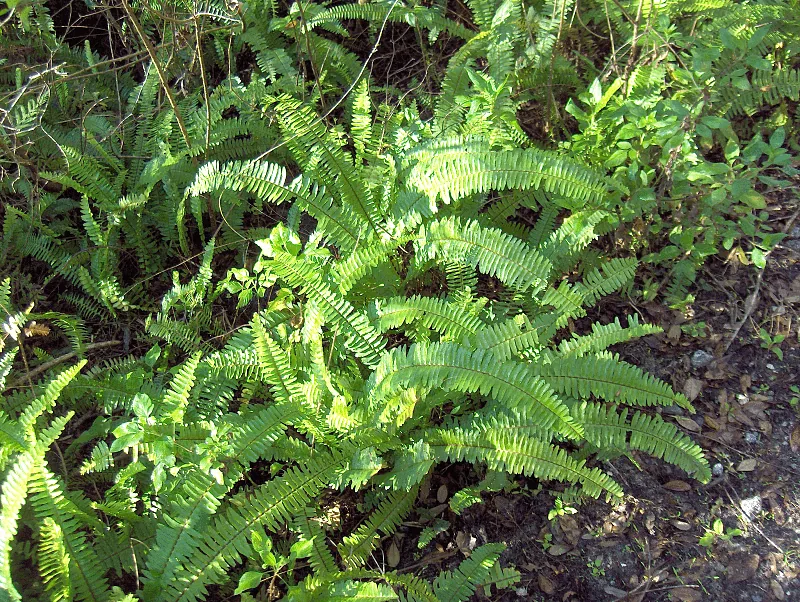
If you are nervous about ferns, the Boston fern is a kind place to begin, loved for the arching fronds that tumble over the rim of a pot or hanging basket. It belongs to the genus Nephrolepis and grows wild in humid tropical forests, which is why it still leans toward warm, damp air on your windowsill. Give it a bright spot out of direct sun and it grows fast, filling out into a generous green mound that makes you feel like a natural.
What this fern truly asks for is steady moisture and high humidity, the two things ordinary indoor air tends to be short on. Let it dry out or stand it beside a heater and it tells you plainly, dropping leaflets and browning at the tips, so you always know where you stand. Keep the soil evenly moist and the air humid, though, and it will forgive almost every other slip you make.
It belongs easily in a home with pets and children, because the ASPCA lists it as non-toxic. That makes it one of the rare houseplants you can grow without fretting over a curious nibble, and a lovely one to look at while you learn.
Care
The short version: give it bright indirect light, soil kept evenly moist but never soggy, and humid air around 61°F to 70°F (16°C to 21°C). Feed it monthly through the growing season, and divide the clump every few years.
Light
Set the fern where it gets bright, indirect light, the soft glow near a window but never harsh sun on the leaves. It also copes with medium light, partial shade, and even full shade, so a dim corner will not be the end of it, though strong sun will scorch the fronds.
Water
Aim to keep the potting mix evenly moist but never waterlogged, easing off just a touch in winter. Let it run dry and the fern responds by shedding leaflets and browning at the tips, so steady, consistent watering matters more than anything else you do.
Soil
Pot it in a peaty, soil-based mix that drains freely yet still holds moisture, such as a blend of peat and vermiculite. That gentle balance keeps the roots damp and happy without ever leaving them sitting in water.
Temperature
Your fern feels best between 61°F and 70°F (16°C to 21°C), which is comfortable room range for most homes. Just keep it clear of cold drafts and the dry heat off radiators, since both pull moisture from the fronds.
Humidity
This is a high-humidity plant, and dry indoor air is the thing it likes least. Lift the moisture around it by double potting or by standing the pot on a tray of wet pebbles, which helps far more than reaching for the mister.
Feeding
Feed it monthly from spring to early fall while it is growing, then let it rest over winter. Reach for a weak, half-strength liquid feed or a slow-release houseplant fertilizer, because the roots scorch easily if the dose is too strong.
Pruning
Trim away old or damaged fronds at the soil line to open room for fresh growth. And if the plant has dried out and shed, you can cut the fronds right back to about 2 inches and let it regrow from the base, good as new.
Repotting
Divide the fern every few years in spring, once the clump has clearly filled its pot. Look for roots circling the container and crowded fronds that have lost some vigor, both gentle reminders that it is time to split and refresh.
Size & spacing
Indoors the fern reaches roughly 2 to 3 feet (61 to 91 cm) tall and about as wide, so leave it space to arch. The spreading fronds look loveliest where they can drape, like a hanging basket or the top of a plant stand.
Troubleshooting
Nearly every Boston fern worry comes back to dry air, dry soil, or a wandering pest, and none of them have to spell disaster. Learn to read the early signs on the fronds and you can step in long before the plant sheds in earnest. Find what matches below, then act gently while it still does the most good.
When fronds brown and leaflets start to scatter on the floor
Take heart, because this is one of the most fixable problems a fern can give you. The trouble is almost always thirsty soil or dry air, and the fern warns you early by browning at the leaflet tips before it begins to shed. Keep the mix evenly moist, lift the humidity with a pebble tray or by double potting, and ease it away from radiators and drafts. Even if it has dried out badly, you can cut the fronds back to about 2 inches and watch it push fresh growth.
Fix:
- Keep the potting medium evenly moist but not saturated
- Raise humidity by double potting or setting the pot on a tray of wet pebbles
- If badly dried out, cut fronds back to about 2 inches to regenerate
Sticky fronds dotted with cottony fluff or little bumps
Don't panic when you spot these, since they are easy to handle once you know them. The small bumps and the cottony clusters are scale insects or mealybugs, and the sticky shine they leave is honeydew. Snip off and bin any fronds that are badly overrun, then treat the foliage that remains. A quick habit of checking each new plant before it joins your others, and keeping a troubled fern apart until it clears, spares you most future scares.
Fix:
- Remove and discard heavily infested fronds
- Treat remaining foliage for scale or mealybugs
Toxicity
Here is the reassuring part for pet owners and parents: the Boston fern is safe. The ASPCA lists it as non-toxic to cats and dogs, and no toxic compound has been reported in the plant, so it can sit happily within reach of curious animals and children.
Safe for
People · Cats · Dogs · Horses · Rabbits · Livestock · Birds
Cats None
You can relax around cats, because the ASPCA lists Boston fern as non-toxic to them and records no toxic principle, so a curious nibble is nothing to lose sleep over.
Dogs None
Dogs are just as safe here. The ASPCA names this fern non-toxic to them, so a chewed frond will not harm your pet.
Horses Safe
There is no toxic compound on record in the plant, so a horse that grazes on a frond faces no poisoning risk.
Rabbits Safe
A rabbit can sample the fronds without coming to harm, since the fern holds nothing toxic. A bowl of fresh greens still makes a kinder staple than fern leaves.
Livestock Safe
Cattle, goats, and sheep meet no toxic principle in this fern, so a mouthful from a stray plant will not hurt them.
Birds Safe
The fronds carry no known toxin, which makes this a gentle, safe scrap of greenery to keep around birds.
People Safe
Boston fern is harmless to people, so a child who mouths a frond will be fine. It is not grown as food, though, so no part of it is meant for eating.
Varieties
A small group of named cultivars turns up most often, differing mainly in size, frond texture, and color. These are the friendly few worth getting to know.
'Bostoniensis'
This is the original Boston fern you picture, sending up softly arching fronds that grow to around 4 feet long and 6 inches wide.
'Compacta'
A neater, smaller take on the standard fern, perfect when you are short on space.
'Florida Ruffle'
Its fronds come in fuller and more finely divided, lending the whole plant a soft, ruffled feel.
'Rita's Gold'
A favorite chosen for the cheerful chartreuse to golden-green of its new foliage.
How to propagate
Making more Boston ferns is wonderfully easy, and the plant carries most of the load itself through dividing clumps and self-rooting runners.
DivisionEasy
Spring · A few weeks to a couple of months to root and resume growth
Splitting the clump is the simplest, most forgiving way to make more ferns. In spring, slice the root ball straight down into halves or quarters, keeping as many fronds on each piece as you can, then allow the divisions a few weeks to a couple of months to root and find their feet again. The fern also spreads happily on its own through runners that root wherever they touch soil, and in the wild it reproduces from spores tucked on the undersides of the fronds.
Offsets & pupsEasy
Spring to summer · Several weeks once a rooted runner is separated
The fern sends out runners that grow tiny plantlets wherever they reach moist soil. Once a runner has taken root, gently snip it free from the parent in spring or summer, and the young plant will settle in over a few weeks.
Myths
Boston fern is poisonous to cats and dogs like so many houseplants.
You can breathe easy on this one. The ASPCA lists Boston fern as non-toxic to both cats and dogs, so it earns a welcome spot in homes where many other houseplants simply cannot go.
Misting is the best way to give a Boston fern the humidity it craves.
Misting does surprisingly little for humidity, and it leaves the fronds damp enough to invite foliar leaf spot. Double potting or a pebble tray lifts humidity far more dependably, and it keeps the leaves comfortably dry.