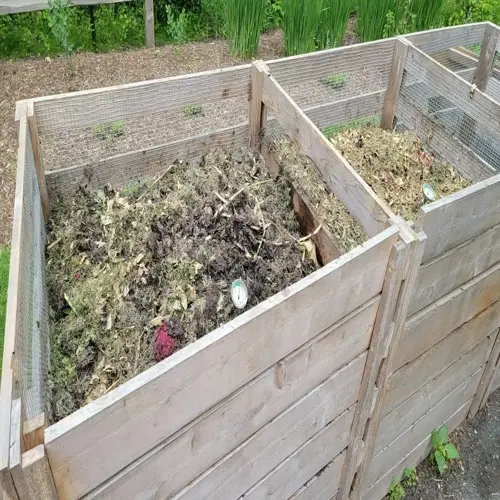

The laziest way to compost is cold composting in a simple bin or open pile. You toss scraps in, cover them with leaves, and walk away. You skip the turning, the temp checks, and the moisture tests. Nature handles all the work while you just add waste now and then.
I ran a lazy compost pile in the back corner of my yard for a full year as an experiment. Every time I had kitchen scraps, I walked out, lifted the lid, dumped them in, and threw a handful of dry leaves on top. That was my entire composting routine. Zero turning, zero watering, zero effort beyond the 30-second walk to the bin. After twelve months, I dug into the bottom and pulled out a layer of beautiful dark compost that my garden beds loved. It worked better than I expected for doing almost nothing at all.
Cold composting works because the organisms doing the breakdown don't need your help. Earthworms crawl up from the soil beneath your bin and start processing material from below. Fungi spread through the pile breaking down tough carbon-rich items like cardboard and sticks. Bacteria handle the soft food scraps on their own timeline. This low effort composting approach skips the heat phase that hot composting relies on, so it takes 9 to 12 months instead of 8 weeks. But the end product is just as useful for your garden and the trade-off is doing almost no work.
Two other methods also count as easy composting no turning needed at all.
Trench Composting
- How it works: Dig a trench or hole 8 to 12 inches deep in your garden bed, dump food scraps in, and cover with the soil you removed.
- Why it's lazy: There is no bin to manage, no pile to maintain, and no harvesting step since the compost forms right where your plants grow.
- Best for: Gardeners who want to feed specific beds without any extra steps between kitchen scraps and plant roots.
Sheet Composting
- How it works: Lay cardboard or newspaper on bare ground, pile food scraps and leaves on top in layers, and cover everything with 4 to 6 inches of mulch.
- Why it's lazy: You build it once and let it sit for a full season while it breaks down into a planting-ready bed underneath the mulch layer.
- Best for: Creating new garden beds from scratch without tilling, hauling soil, or doing any digging at all.
Static Bin Cold Composting
- How it works: Place a bottomless bin on bare soil, add scraps covered by leaves or cardboard, and ignore it for 9 to 12 months until the bottom turns to compost.
- Why it's lazy: The bin does all the containment work and organisms enter from the soil below. You just add material and wait.
- Best for: Anyone who wants usable compost with the absolute minimum time and energy invested throughout the year.
For the absolute lowest effort setup, here's what I recommend. Buy a bottomless compost bin for under $40 and set it on bare soil in a shaded spot. Start adding your fruit and vegetable scraps covered with dry leaves or torn cardboard each time. Don't turn it. Don't water it. Don't check the temperature. Just keep adding material to the top whenever you have scraps to toss.
Come back in 9 to 12 months and open the access door at the bottom. You'll find dark, crumbly compost waiting for you while the top layers keep breaking down for the next harvest. Shovel out the finished material, spread it on your garden beds, and keep the cycle going. This method takes less than one minute per day on average. You still get garden-quality compost that saves you money on soil products every season.
Read the full article: 8 Best Compost Bins for Every Garden