
Introduction
You walk into a garden store and see walls packed with hundreds of garden tools you think you need. The truth is that a small collection of the best garden tools works better than a shed crammed with cheap gadgets you never use. Your garden tools are like a chef's knives. A few great ones get the job done faster and safer than a drawer full of dull blades.
I spent over 15 years testing tools in my own backyard plots and community gardens across 3 states. Most new gardeners buy way too much gear in their first season. Half of it rusts in the shed by fall. Each year, 230,000 people visit emergency rooms from garden tool injuries alone. The right essential gardening tools protect your hands, your back, and your wallet.
Gardening does more for you than just growing food or flowers. A review of 22 research studies found that regular gardening lowers stress and reduces BMI. It also boosts your mood in ways that few other hobbies can match. The right tools make each session more fun and less painful. You keep coming back to the garden instead of quitting from sore joints or frustration.
This guide covers the 10 essential gardening tools that handle every task from planting to cleanup. You will learn which handle materials reduce strain on your body. You will also see how to match tools to your soil type and when each tool earns its spot in your seasonal rotation.
10 Best Garden Tools
A hand trowel is to a gardener what a scalpel is to a surgeon. Precision matters more than size. Each of the 10 tools below earned its spot after years of real use in clay, sand, loam, and rocky ground. I tested brands from Fiskars to budget store options to find what holds up across all soil types and seasons.
The University of Missouri Extension has a great handle sizing rule for tool shoppers. Your handle should be no bigger than the circle your thumb and index finger form together. That simple test helps you pick tools that fit your hands and cut down on fatigue.
Hand Trowel
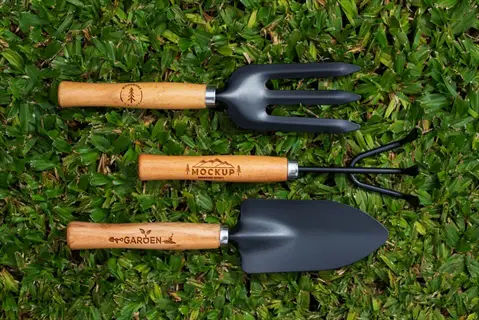
- Purpose: A hand trowel is the most-used garden tool for planting seedlings, transplanting small plants, and scooping soil into containers or raised beds.
- Blade Material: Stainless steel blades resist rust and slide through soil more easily, while carbon steel holds a sharper edge but needs oiling after each use.
- Handle Choice: Look for an ergonomic handle with a wide grip that fits the circle formed by your thumb and index finger, reducing hand fatigue during long planting sessions.
- Soil Match: Narrow-blade trowels work best in rocky or compacted clay soil, while wider blades move more loose sandy or loamy soil per scoop.
- Size Guide: Standard trowels measure about 12 inches (30 centimeters) long, but short-handled versions work better in tight container garden spaces.
- Maintenance Tip: Rinse soil off the blade after every use, dry it completely, and store it in a dry location to prevent rust and keep the edge sharp.
Bypass Pruning Shears
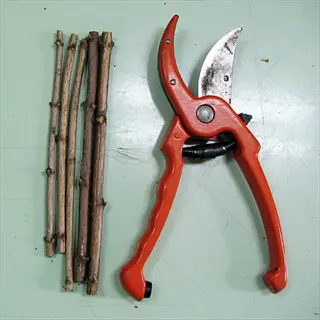
- Purpose: Bypass pruning shears make clean cuts on live stems up to 0.75 inches (2 centimeters) thick, promoting faster plant healing compared to anvil-style crushers.
- Bypass vs Anvil: Bypass blades slide past each other like scissors for precise cuts on green wood, while anvil pruners crush stems and work better on dead wood only.
- Ergonomic Grip: Choose pruners with a rotating lower handle to reduce hand strain by up to 50% during extended pruning sessions in the garden.
- Spring Mechanism: An internal spring returns the blades to the open position automatically, and replaceable springs extend the tool life by several years.
- Locking Feature: A safety latch locks blades shut when not in use, preventing accidental cuts and making storage in a pocket or tool belt safer.
- Sharpening Need: Sharpen the cutting blade with a diamond file every 2 to 3 months of regular use, and clean sap residue with rubbing alcohol.
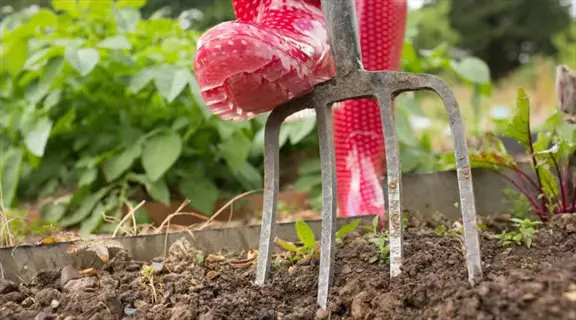
Garden Fork
- Purpose: A garden fork breaks up compacted soil, turns compost piles, and lifts root vegetables without slicing through them the way a spade would.
- Tine Design: Four flat tines penetrate clay and rocky soil better than a spade, and the leverage from the handle makes heavy lifting easier on your back.
- Material Quality: Forged steel tines resist bending under pressure, while stamped steel forks may warp when prying against dense clay or gravel.
- Handle Length: A standard garden fork handle measures about 40 inches (100 centimeters), giving enough leverage to break soil without forcing you to bend over.
- Soil Match: Garden forks excel in heavy clay and compacted soils where spades get stuck, and they aerate the ground without destroying soil structure.
- Dual Use: Beyond digging, a garden fork serves as an excellent compost turner, mixing green and brown materials faster than a shovel or pitchfork.
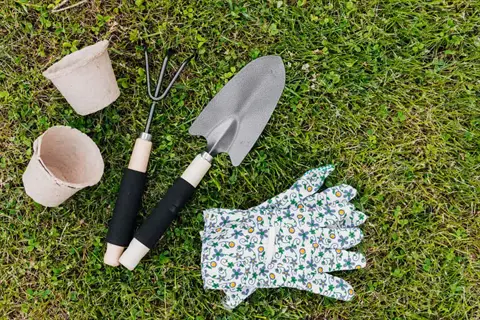
Flat-Head Spade
- Purpose: A flat-head spade cuts clean edges along beds, slices through turf, and transfers loose soil with its straight blade and sharp bottom edge.
- Spade vs Shovel: A spade has a flat, rectangular blade for cutting and edging, while a shovel has a curved, pointed blade designed for scooping and moving material.
- Blade Angle: The flat blade enters the ground at a straight angle, making it ideal for creating sharp bed borders and trenching straight lines.
- Handle Options: D-grip handles offer better control for edging work, while T-grip handles distribute pushing force more evenly across both hands.
- Weight Factor: A quality spade weighs between 4 and 6 pounds, light enough for extended use but heavy enough to cut through sod.
- Best Practice: Step onto the top of the blade with your foot to drive it into the soil rather than relying on arm strength, which protects your back.
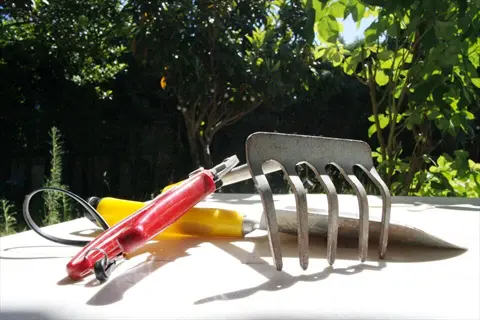
Garden Hoe
- Purpose: A garden hoe slices weeds just below the soil surface, shapes planting rows, and creates furrows for seed placement without bending over.
- Hoe Types: Stirrup hoes cut weeds on both push and pull strokes, draw hoes chop with a downward motion, and scuffle hoes skim the top layer of soil.
- Weed Control: Regular hoeing every 1 to 2 weeks during growing season prevents weeds from setting deep roots and competing with your plants for water.
- Handle Length: A hoe handle should reach your chin when standing upright, allowing you to work in a comfortable posture without hunching your back or shoulders.
- Blade Sharpness: A sharp hoe blade glides through soil with minimal effort, so file the edge before each major weeding session to reduce fatigue.
- Soil Benefit: Light surface hoeing breaks up the soil crust that forms after rain, improving water absorption and air flow around plant roots.
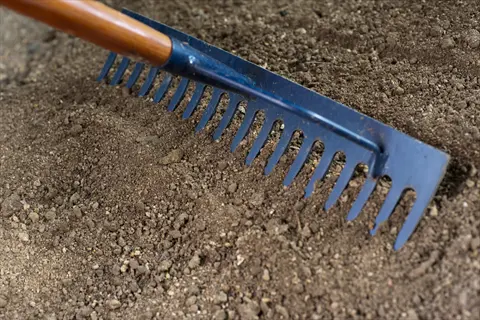
Garden Rake
- Purpose: A garden rake levels soil in prepared beds, removes rocks and debris, and creates a smooth surface for direct seed sowing or laying mulch.
- Bow vs Level: A bow rake has curved tines connected by a bow frame for heavy leveling, while a level-head rake provides finer control for seed bed prep.
- Tine Count: Rakes with 14 to 16 tines cover more ground per pass, while narrower models with 10 to 12 tines fit between raised bed rows more easily.
- Leaf Raking: A separate fan-shaped leaf rake with flexible tines gathers leaves without disturbing mulch, making fall cleanup faster and less damaging to beds.
- Handle Material: Fiberglass rake handles weigh less and resist breaking under lateral pressure better than wooden handles, lasting several more seasons of regular use.
- Technique Tip: Pull the rake toward you rather than pushing it away to maintain better control and create more even soil surfaces for planting.
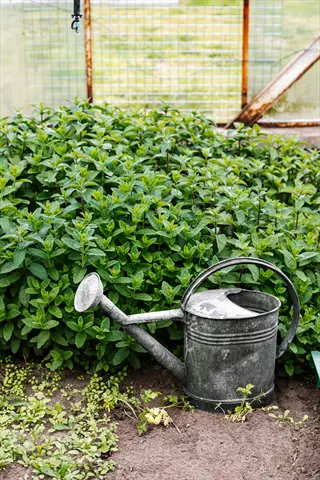
Watering Can
- Purpose: A watering can delivers a gentle, controlled flow of water to plant bases and seedlings, preventing soil erosion and leaf damage from heavy streams.
- Rose Attachment: A detachable rose creates a soft spray for delicate seedlings, while removing it provides a stronger stream for established plants.
- Capacity Choice: A 2 gallon can balances portability and coverage, while larger 3 gallon models reduce refill trips for bigger garden plots.
- Material Options: Galvanized steel cans last decades but weigh more, while plastic cans are lighter and cheaper but may crack after several seasons of sun exposure.
- Long Spout: A long, narrow spout reaches behind tall plants and into dense foliage, directing water to the soil instead of wetting leaves that attract fungal diseases.
- Indoor Use: For houseplants and seed starting, a smaller 0.5 gallon indoor watering can with a narrow spout provides the precision that larger cans cannot offer.
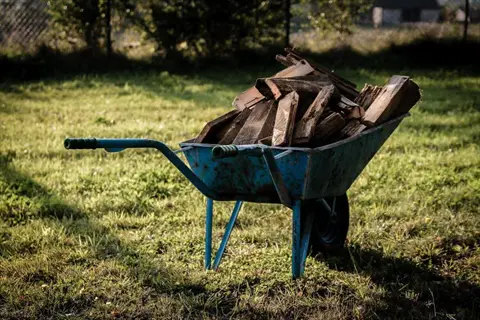
Wheelbarrow
- Purpose: A wheelbarrow transports soil, compost, mulch, plants, and harvested produce across the garden, saving dozens of trips by hand each season.
- Single vs Dual Wheel: Single wheel models move through narrow paths and around corners with ease, while dual wheel versions offer more stability on uneven terrain.
- Load Capacity: Standard garden wheelbarrows hold 3 to 6 cubic feet of material, enough for most home gardening and landscaping projects.
- Tire Type: Pneumatic tires absorb bumps on rough ground but can puncture, while solid tires require zero maintenance and never go flat during use.
- Tray Material: Steel trays handle heavy loads like rocks and wet soil without flexing, while poly plastic trays resist rust and work well for lighter loads.
- Ergonomic Handles: Cushioned rubber grips on the handles reduce vibration and hand fatigue during long hauling sessions across the yard or garden paths.
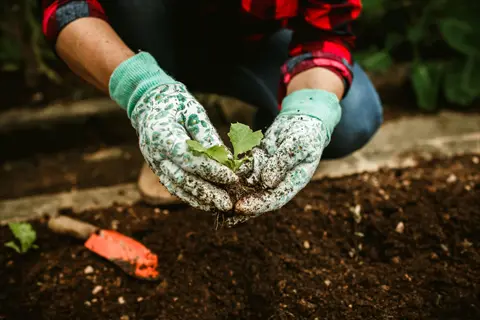
Garden Gloves
- Purpose: Garden gloves protect your hands from thorns, blisters, sharp edges, and soil bacteria while keeping enough feel for delicate tasks.
- Material Types: Leather gloves offer the best puncture protection for pruning thorny plants, while nitrile coated gloves provide waterproof grip for wet soil work.
- Fit Matters: Gloves that are too loose reduce grip strength and catch on branches, while tight gloves restrict blood flow and cause hand cramping during extended use.
- Breathability: Mesh back or bamboo lined gloves keep hands cool during summer gardening sessions, preventing sweat that leads to blisters and lost grip.
- Task Matching: Keep 2 pairs: heavy duty leather for thorny shrubs and rough materials, and lightweight nitrile for planting, weeding, and handling seedlings with precision.
- Washing Care: Machine wash fabric gloves to remove soil bacteria, and condition leather gloves with mink oil to keep them soft and extend their usable life.
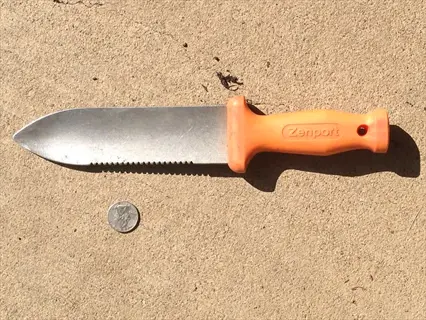
Hori Hori Knife
- Purpose: A hori hori knife is a Japanese garden tool that digs, cuts roots, divides perennials, transplants, and measures planting depth with etched blade markings.
- Blade Design: One edge is serrated for sawing through roots and tough soil, while the other edge is smooth and sharp for clean cuts on stems and twine.
- Cultural Origin: The name hori hori comes from the Japanese word for digging, and the tool has been a staple in Japanese gardens for generations.
- Depth Markings: Inch and centimeter markings etched into the blade let you measure planting depth without carrying a separate ruler or tape to the garden.
- Versatility: This single tool replaces a hand trowel, weeder, and small saw, making it the most space-saving addition to any garden tool belt or bucket.
- Sheath Storage: Most hori hori knives include a belt sheath for safe carrying, keeping the sharp blade protected while you move between garden beds and tasks.
Your best value sits in mid-range tools from trusted brands like Fiskars, Corona, and Radius Garden. Budget tools work fine for a first season, but they tend to bend or rust faster than tools in the $15 to $40 range.
Start with the first 5 tools on this list and add the rest as your garden grows. A hand trowel, pruning shears, garden fork, spade, and a good pair of garden gloves will get you through your first full growing season with no trouble at all.
Hand Tools and Their Uses
Your cutting tools matter more than most gardeners realize. Choosing between pruning shears, loppers, and a saw is like choosing between a paring knife, a chef's knife, and a cleaver. Each one excels at a specific branch thickness and using the wrong tool damages both the plant and your hands.
Bypass pruners should be your first cutting tool purchase. In my experience, they make clean cuts on live green wood and help the plant heal faster than anvil pruners, which crush the stem instead. Anvil pruners still have a place in your tool belt for dead wood and dried stems. Most beginners only need bypass pruners and a pair of garden scissors to cover their first 2 seasons.
Loppers step in when branches grow too thick for hand tools alone. Their long handles give you the reach and leverage to cut limbs up to 2 inches thick without a ladder. A pruning saw handles anything bigger than that. I keep a folding pruning saw in my back pocket during winter cleanup and reach for it more than any other tool in my shed.
Garden scissors and a harvest knife round out the full set for gardeners who grow herbs, flowers, or vegetables. Scissors snip herbs and deadhead flowers with less effort than pruning shears. A sharp harvest knife slices through melon stems and tough squash vines in one motion. You don't need to buy all of these at once. Start with bypass pruners and add more tools as your garden tells you what it needs.
Watering and Irrigation Gear
Water is the single biggest factor in whether your garden thrives or fails. A soaker hose sends water like a slow IV drip straight to your roots. A sprinkler dumps water over everything and most of it misses the target. I switched from sprinklers to drip irrigation 5 years ago and cut my water bill by a third that first summer.
South Dakota State University found that push-lever hose nozzles cause less hand strain than squeeze trigger types. That small detail matters when you water for 20 minutes each day. Pair a garden hose with the right nozzle and a water timer to save both time and money. Watering wands also help you reach hanging baskets without climbing.
Garden Hose with Adjustable Nozzle
- Flow Control: An adjustable nozzle lets you switch between a gentle mist for seedlings and a strong jet for cleaning pots and hard surfaces in seconds.
- Ergonomic Choice: Push-lever nozzles reduce sustained hand pressure compared to squeeze-trigger models, according to South Dakota State University Extension research.
- Hose Length: A 50-foot (15-meter) hose reaches most residential garden areas, while 100-foot (30-meter) lengths cover larger properties without needing connectors.
Soaker Hose for Deep Watering
- How It Works: A soaker hose seeps water slowly through tiny pores along its entire length, delivering moisture directly to the root zone without wetting foliage.
- Water Savings: Soaker hoses use up to 70% less water than overhead sprinklers by eliminating evaporation and runoff on sloped or compacted garden beds.
- Placement Tip: Lay soaker hoses under mulch along plant rows and leave them in place all season, connecting to a timer for hands-free automated watering.
Drip Irrigation Kit
- Precision Delivery: Drip irrigation sends water through individual emitters placed at each plant, providing exact amounts without wasting a single drop between rows.
- Setup Cost: A basic drip kit for a 100 square foot bed costs between $25 and $50 and pays for itself in water savings within one season.
- Expandable Design: Most drip systems use modular connectors that let you add new lines and emitters as your garden grows each year.
Watering Wand for Hanging Baskets
- Extended Reach: A 24 to 36 inch watering wand reaches hanging baskets, tall containers, and the back of deep garden beds without climbing or stretching.
- Gentle Flow: The breaker head on a watering wand produces a soft shower that waters seedlings and delicate flowers without disturbing the soil surface.
- Shut-Off Valve: A built-in thumb valve at the handle lets you stop water flow instantly between plants, preventing waste and keeping pathways dry.
A watering can still belongs in every shed for quick spot jobs. In my experience, these 4 tools cover every irrigation need you will face in the garden.
Ergonomics and Safety
About 230,000 people end up in emergency rooms each year from gardening injuries. Most of those trips could have been avoided with better tool choices and safer habits. I learned this the hard way after spraining my wrist from a cheap wooden handle that snapped during a heavy dig in clay soil.
Peer reviewed research shows that hollow fiberglass handles are 12% more efficient than wood handles. They also need less grip force so your hands tire out slower during long tasks. Brenda Schreck from the University of Missouri Extension says it well. Tools built with ergonomics in mind prevent joint pain and make gardening more fun for years to come.
Proper posture gardening starts with the right handle types for your body. Ergonomic garden tools with padded grips and angled handles keep your wrists in a natural position. Telescoping handles let you stand upright instead of hunching over garden beds. These small changes protect your back and keep you in the garden for years to come.
Garden tool safety also means wearing gloves, keeping blades sharp, and storing tools where kids can't reach them. Dull blades force you to push harder, which leads to slips and cuts. The CPSC reports that 1 in 5 riding mower deaths involves a child, so always lock up power equipment and keep small hand tools out of reach.
Tool Maintenance and Storage
Tool maintenance is like car maintenance. A 10 minute routine after each use prevents you from spending hundreds on replacements down the road. I once lost a $60 spade to rust because I left it outside for 2 weeks after a rainy dig. That mistake taught me the value of a quick cleanup.
Dull tools cause fatigue and raise your risk of injury. In my experience, tool sharpening with a basic garden tool sharpener fixes this fast. Tool cleaning takes less than 5 minutes per session and is the best habit for rust prevention. Wrapping baseball tape around wooden handles also boosts your grip and tool longevity.
After Every Use
- Soil Removal: Knock off caked soil immediately, then wipe blades and tines with a damp rag to prevent moisture from starting the rust process overnight.
- Dry Completely: Let tools air-dry fully before putting them away, or wipe them down with an old towel to remove any remaining water from metal surfaces.
- Quick Inspection: Check for loose handles, cracked grips, and bent tines after each session so small problems get fixed before they become safety hazards.
Monthly Sharpening Routine
- File Direction: Run a flat mill file along the bevel of hoe blades, spade edges, and pruner blades in one direction only, matching the original factory angle.
- Pruner Blades: Use a diamond sharpening stone on bypass pruner blades, holding the stone flat against the beveled edge and making smooth sweeping strokes.
- Safety First: Wear heavy leather gloves while sharpening, and clamp the tool in a vise or hold it firmly against a stable surface to prevent slipping.
End-of-Season Deep Clean
- Rust Removal: Soak rusty tools in white vinegar for 24 hours, then scrub with steel wool and apply a thin coat of linseed oil to protect the metal through winter.
- Handle Treatment: Sand wooden handles smooth with 120 grit sandpaper and apply boiled linseed oil to prevent cracking and splintering during cold storage months.
- Organized Storage: Hang tools on wall mounted hooks or a pegboard in a dry shed or garage, keeping blades off the ground and away from moisture.
Spring Startup Check
- Tighten Hardware: Check all bolts, screws, and ferrules that hold heads to handles, and tighten or replace any loose hardware before the first dig of the season.
- Replace Worn Parts: Swap out cracked handles, worn pruner springs, and stretched wheelbarrow tires before the growing season begins to avoid mid-project failures.
- Test Sharpness: Run your thumb across blade edges without pressing to check for dullness, and sharpen any tools that feel smooth rather than grabby.
Good tool storage keeps everything dry, visible, and within reach. A wall mounted pegboard in your garage or shed works great for most gardeners. Quality garden tools last 10 to 20 years with proper care, making maintenance the best return on any garden purchase you make.
Seasonal Tool Selection
Your tool shed should rotate like a wardrobe. Heavy coats go on in winter and light layers come out in summer. The right garden tools by season keep you productive and comfortable all year long. I tested this approach on my own plot and found that seasonal gardening with the right gear cuts wasted effort in half.
A review of 22 studies found that daily gardening lowers stress and reduces BMI. It also raises life satisfaction over time. Staying active across all 4 seasons gives you those health benefits year round instead of just in summer. Matching your tools to the season extends their lifespan too.
Spring garden tools focus on bed prep and planting. Summer shifts to watering, weeding, and pruning. Fall garden cleanup tools handle leaves, compost, and end of season tasks. Winter garden preparation means pulling out your pruning saw and loppers for dormant branch work. Planning your buys by season saves money too. You spread costs across the calendar instead of buying everything at once.
5 Common Myths
Expensive garden tools are always better than budget options, so you must spend a lot to get good results.
Price does not guarantee quality. A well-maintained mid-range tool with a fiberglass handle often outperforms a neglected premium tool.
You need a different specialized tool for every single garden task, which means buying dozens of items.
A core set of five to seven multipurpose tools handles most garden work. A hori hori knife alone replaces a trowel, weeder, and measuring stick.
Wooden handles are the best choice for all garden tools because they are traditional and time-tested.
Peer-reviewed research shows hollow fiberglass handles are 12 percent more efficient and require less grip force than wood handles.
Garden tools do not need regular maintenance and can simply be stored wherever is convenient after use.
Cleaning, drying, sharpening, and oiling tools after each use prevents rust and extends their lifespan by years.
Power tools are always better than hand tools for garden work because they save more time and effort.
Hand tools offer more precision, cost less, require no fuel or batteries, and are safer for close work around delicate plants.
Conclusion
A small set of the best garden tools beats a garage full of cheap ones every time. You don't need dozens of items to grow a great garden. The 10 essential gardening tools in this guide cover planting, cutting, watering, and hauling for any skill level and any size plot.
Fiberglass handles are 12% more efficient than wood based on peer reviewed research. Gardening itself lowers stress, cuts BMI, and lifts your mood. These 2 facts alone show that spending smart on ergonomic garden tools pays off for both your body and your bank account. Most gardeners spend between $2,000 and $5,000 on tools over a lifetime. Making good choices now saves you real money later.
I started with just 3 tools and added more as each season taught me what I needed. Once you master the basics, a broadfork, wheel hoe, or drip irrigation system can take your garden to the next level. Look at your current tool collection and find 1 or 2 upgrades that would make the biggest impact on your daily work.
In my experience, good tool maintenance doubles the life of everything you own. Clean, sharpen, and store your gear after each session. Your garden tools will reward you with years of strong growth and less time fighting broken equipment on a busy planting day.
External Sources
Frequently Asked Questions
What are basic garden tools?
Basic garden tools include a hand trowel, pruning shears, garden fork, spade, rake, hoe, watering can, wheelbarrow, garden gloves, and a hori hori knife.
What are the most essential gardening tools?
The most essential gardening tools are a hand trowel, pruning shears, garden fork, spade, rake, hoe, watering can, wheelbarrow, and garden gloves.
What are the names of garden tools?
Common garden tool names include trowel, spade, shovel, fork, hoe, rake, pruners, loppers, watering can, wheelbarrow, gloves, and hori hori knife.
What are the most useful garden tools?
The most useful garden tools are a quality hand trowel, bypass pruning shears, a sturdy garden fork, and a reliable watering can or hose.
How do you choose the right garden tools for your space?
Choose garden tools by matching them to your space: compact hand tools for containers and raised beds, long-handled tools for large in-ground plots, and lightweight ergonomic options for small yards.
What tools do you use in a garden?
In a garden you use hand trowels for planting, spades for digging, pruners for trimming, rakes for leveling, and watering cans or hoses for irrigation.
What tools do professional gardeners use?
Professional gardeners use commercial-grade pruners, loppers, hedge shears, broadforks, wheel hoes, drip irrigation systems, and battery-powered trimmers.
What tools do you need for indoor gardening?
Indoor gardening requires small hand trowels, pruning snips, a misting bottle, moisture meters, grow lights, and compact watering cans.
How do I maintain my garden tools?
Maintain garden tools by cleaning off soil after each use, drying them completely, sharpening blades with a mill file, and applying a light coat of oil before storage.
What tool is mostly used in landscaping?
The tool most used in landscaping is the shovel, followed closely by string trimmers and leaf blowers for maintenance tasks.