
Introduction
About 27,000 people end up in the hospital each year from pruning injuries according to OSHA data. Most of those injuries come down to one thing: using the wrong pruning shears or dull ones that slip under pressure. Your choice of garden cutting tools affects both your safety and the health of every plant you trim.
I've used hand pruners on everything from rose bushes to thick apple tree branches over the past 12 years. The gap between a good pair of bypass pruners and a cheap set shows up on the very first cut. Think of your shears like a surgeon's scalpel. A sharp blade makes a clean cut that closes fast. A dull tool tears the tissue and invites infection.
Most gardeners don't realize that trees and shrubs don't heal the way we do. Plants don't heal cuts. They use compartmentalization to block off the wound. A ragged cut from bad tools forces the plant to work harder. It also leaves the wound open to disease for much longer.
This guide covers 6 main types of shears and proper cutting technique backed by research. You'll learn about blade materials worth knowing about. We also share safety tips, a seasonal pruning calendar, and care steps that keep your tools sharp for years.
6 Best Pruning Shears Types
NC State Extension lists 5 main styles of shears plus electric pruning shears that many guides skip. Each type works best for a specific task in your garden. Picking the right one protects your plants and saves your hands from strain. Some gardeners call them secateurs, but the function is the same. You'll find bypass pruners, anvil pruners, ratchet pruners, bonsai shears, and more below.
Prices range from about $25 to $90 or more based on NC State Extension data. You don't need to spend a fortune to get a solid pair. I've found that a mid range set around $40 to $50 handles most home garden tasks with ease.
Bypass Pruning Shears
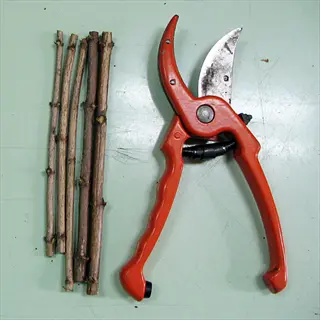
- How they work: Two curved blades pass each other like scissors, with the sharp upper blade slicing past a thicker lower hook blade for a clean cut.
- Best for: Live stems, green wood, and healthy branches up to three-quarters of an inch (19 millimeters) in diameter where a clean cut promotes faster compartmentalization.
- Plant health advantage: The scissor-action produces the cleanest possible cut, minimizing tissue damage and reducing entry points for disease and fungal infection.
- Handle options: Available with ergonomic rotating handles that reduce hand fatigue by up to forty percent during extended pruning sessions in the garden.
- Price range: Quality bypass pruners range from twenty-five to ninety dollars, with mid-range options around forty to fifty dollars offering excellent value for home gardeners.
- Maintenance note: The bypass blade design requires both blades to stay aligned and sharp, so regular sharpening every few months keeps cuts precise and clean.
Anvil Pruning Shears
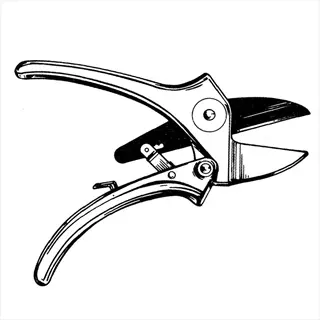
- How they work: A single sharp blade presses down onto a flat metal surface called the anvil, crushing and cutting through the branch material in one motion.
- Best for: Dead wood, dried stems, and hardened branches where the crushing action is an advantage rather than a drawback for plant tissue health.
- Key limitation: Anvil shears tend to crush living tissue instead of slicing clean, which can damage healthy stems and slow plant recovery.
- Hand comfort: Anvil designs require less grip strength than bypass models, making them a practical choice for gardeners with limited hand mobility.
- Curved vs flat anvil: NC State Extension notes that curved blade and anvil models make cleaner cuts than flat anvil designs, so look for the curved option.
- Price range: Anvil pruners tend to be more affordable at twenty to sixty dollars and are a solid addition as a second pair dedicated to dead wood removal.
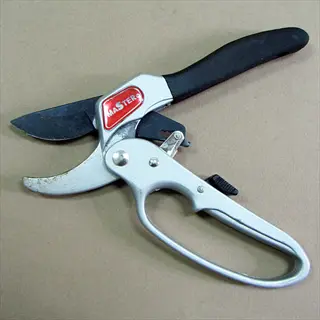
Ratchet Pruning Shears
- How they work: A step-squeeze mechanism allows you to cut through a branch in several small squeezes rather than one forceful grip, reducing the effort per squeeze.
- Best for: Gardeners with arthritis, carpal tunnel syndrome, or reduced grip strength who still want to handle branches up to three-quarters of an inch thick.
- Ergonomic advantage: NC State Extension identifies ratchet pruners specifically for their ability to reduce hand strain during extended pruning sessions in the garden.
- Cutting quality: Ratchet pruners produce a clean cut comparable to bypass models when the blade is sharp, though the multi-step action takes a bit longer per cut.
- Ideal users: Older gardeners, those recovering from hand injuries, and anyone who prunes for extended periods will notice much less fatigue with ratchet designs.
- Price range: Ratchet pruners cost between thirty and seventy dollars, and the reduced strain they provide makes them worth the investment for comfort.
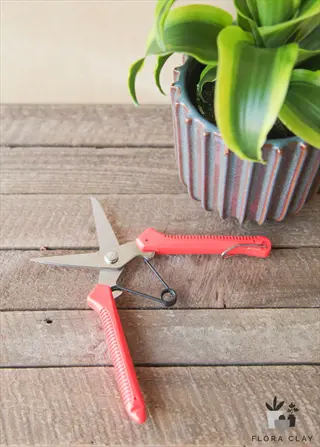
Scissor Shears
- How they work: Two straight or soft curved blades meet evenly in a true scissor action, providing precise control for delicate trimming and light garden tasks.
- Best for: Soft stems, flowers, herbs, and lightweight trimming tasks where precision matters more than cutting power on thicker woody branches.
- Precision advantage: The even blade contact gives you fine control for deadheading flowers, harvesting herbs, and trimming soft new growth without damaging nearby stems.
- Limitation awareness: Scissor shears lack the leverage for branches thicker than about a quarter inch (6 millimeters), so they complement rather than replace bypass pruners.
- Common uses: Ideal for kitchen gardens, container plants, and floral arrangements where you need clean snips on tender plant material without bruising.
- Price range: Scissor-style garden shears are among the most affordable options at fifteen to forty dollars and are a great starter tool for beginning gardeners.
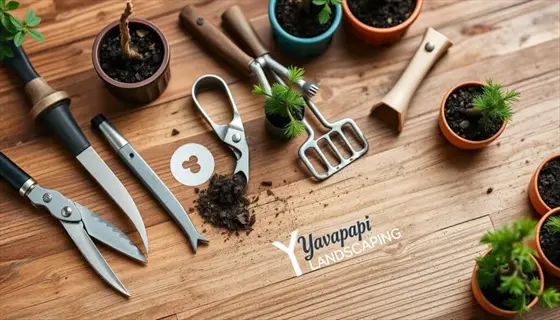
Bonsai Pruning Shears
- How they work: Compact, precision-ground blades with short handles allow very detailed cuts in tight spaces where standard pruning shears cannot reach.
- Best for: Bonsai trees, miniature gardens, detailed topiary work, and any situation requiring surgical precision on very small stems and delicate growth.
- NC State recognition: NC State Extension identifies bonsai shears as a distinct pruning shear category, yet no major competitor blog covers them at all.
- Design features: Most are shorter than six inches in total length with narrow blade tips that access tight branch angles and crowded canopy areas.
- Specialized applications: Beyond bonsai, these shears excel at grafting preparation, removing suckers from fruit trees, and precise deadheading of small ornamental plants.
- Price range: Quality bonsai pruning shears range from twenty to eighty dollars with Japanese-made versions commanding premium prices for their steel quality and craftsmanship.

Electric Pruning Shears
- How they work: A battery-powered motor drives the blade action, removing the need for manual squeezing and allowing continuous cutting with minimal hand effort.
- Best for: Professional pruners, orchard workers, and anyone performing repetitive cuts where manual squeezing would cause fatigue or repetitive strain injuries.
- Penn State recommendation: Penn State Extension specifically recommends battery-powered electric hand shears for repetitive pruning tasks because they spread weight more even across your hand.
- Safety consideration: Electric shears require extra caution since the powered blade moves fast; always know where your non-cutting hand is when holding a branch.
- Battery performance: Modern lithium-ion batteries provide four to eight hours of cutting on a single charge, handling branches up to one and a quarter inches (32 millimeters) thick.
- Price range: Electric pruning shears range from sixty to three hundred dollars, with professional-grade models costing more but offering faster cutting speeds and longer battery life.
Cutting Technique Essentials
Good cutting technique is the difference between a plant that bounces back fast and one that fights disease for months. Texas A&M Extension research shows you should cut at a 45-degree angle about half an inch above the bud. That angle lets water run off the cut instead of pooling on the wound.
Think of each pruning cut like minor surgery on your plant. The angle, the spot, and the sharpness of your blade all affect how well the patient recovers. Dr. Alex Shigo from the USDA Forest Service proved that the branch collar holds a chemical zone that walls off decay. When you cut outside that collar at the right angle, you let the tree's own defense system do its job.
Trees don't heal wounds the way your skin does. They use compartmentalization to block off the cut with a chemical wall. A clean cut from sharp shears gives the tree a small, neat wound to seal off. A ragged tear from dull tools creates a large, messy opening that takes much longer to close.
I used to slap wound dressing on every cut I made in my first years of gardening. Texas A&M research changed my mind on that. Scientists found that wound dressings are just cosmetic and may even slow the natural sealing process. Your best bet is a sharp blade and the right pruning technique rather than paste from a tube.
The table below matches each branch size to the right tool so you get clean cuts every time. Never force a cut that's too big for your shears. If you have to squeeze hard, that branch needs loppers or a saw instead.
Blade Materials and Anatomy
The blade materials on your pruning shears decide how long they stay sharp, how fast they rust, and how much work you put into care. Most gardeners grab whatever looks nice on the shelf without checking what the blade is made of. That's a mistake I made on my first 3 pairs before I learned what to look for.
You also want to know the basic anatomy of your shears. The pivot mechanism is the bolt that holds both blades together and controls how smooth each cut feels. A worn pivot makes blades wobble and crush stems instead of slicing them. The spring pushes the handles back open after each squeeze. Cheap springs wear out fast and turn your shears into a two handed tool. Look for shears with a replaceable spring and an adjustable pivot so you can tune the fit as the tool ages.
Below you'll find the 4 main blade types broken down by how they perform. Match your pick to your garden habits and your comfort with tool care. Carbon steel blades and stainless steel blades each have clear strengths. Chrome plated steel and titanium coated options fall in between.
High-Carbon Steel Blades
- Edge retention: High-carbon steel holds the sharpest edge of any common blade material, making it the top choice for professional gardeners who demand precise clean cuts.
- Rust vulnerability: Carbon steel is more prone to rust than stainless alternatives, requiring diligent drying and oiling after each use to maintain blade integrity over time.
- Sharpening ease: These blades are the easiest to sharpen at home using a basic whetstone or diamond file, restoring a razor edge in just a few minutes.
Stainless Steel Blades
- Corrosion resistance: Stainless steel resists rust and sap buildup far better than carbon steel, making it ideal for gardeners in humid climates or coastal areas.
- Edge retention: The blade dulls a bit faster than carbon steel but still performs well for home gardens where sharpening happens a few times per season.
- Low maintenance: Requires less oiling and drying than carbon steel, making stainless blades a practical choice for casual gardeners who want reliable performance with less upkeep.
Chrome-Plated Steel Blades
- Protective coating: Chrome plating adds a rust resistant layer over carbon steel, combining better edge retention with improved corrosion defense in a single blade.
- Durability concern: The chrome coating can chip or wear through over time at the cutting edge, which exposes the steel underneath to moisture damage.
- Mid-range option: Chrome-plated blades offer a good balance of performance and price, found in the thirty to sixty dollar pruning shear range.
Titanium-Coated Blades
- Coating benefit: Titanium coating reduces friction and sap sticking during cuts, allowing the blade to glide through stems with less force from your hand.
- Lightweight advantage: Titanium coated tools are often lighter than their uncoated versions, reducing hand fatigue during long pruning sessions in the garden.
- Cost consideration: Titanium coated pruning shears cost more upfront but the reduced care needs and sap resistance can save you time across multiple growing seasons.
Safety and Ergonomics
Pruning safety gets ignored in most garden guides, but the numbers tell a different story. OSHA reports that about 27,000 people need hospital care each year from pruning injuries. Many of those could be avoided with the right gear, sharp tools, and a few smart habits before you start cutting.
Dull shears are more dangerous than sharp ones. That sounds wrong, but OSHA confirms it. When your blade is dull, you squeeze harder and that extra pressure leads to slips and hand fatigue. A sharp edge cuts with less force and gives you more control over where the blade goes.
I learned this the hard way after a full weekend of rose pruning left my wrist sore for 2 weeks. CDC and NIOSH data backs that up. Using the wrong hand tools over and over raises your risk of carpal tunnel and tendinitis. If you prune for more than 20 minutes at a stretch, try ergonomic pruners with padded rotating handles. They cut repetitive strain down a lot.
Before you start your next pruning session, run through this quick checklist. Grab your gardening gloves, put on protective eyewear, and test your blade on a small twig. If it crushes instead of slicing, sharpen it first. These simple steps take 2 minutes and can save you a trip to the doctor.
Seasonal Pruning Calendar
Knowing when to prune matters just as much as knowing how. I've watched neighbors ruin their lilac blooms by cutting at the wrong time of year. Texas A&M Extension data shows that pruning at the right season can mean the difference between a full bloom and a bare plant. This pruning calendar breaks it down by season so you can bookmark it and check back all year.
One key rule from Texas A&M: prune spring blooming shrubs right after their flowers fade. Cut summer blooming plants in late winter pruning season while they're still dormant. Get that timing wrong and you'll chop off next year's flower buds before they form. For rose pruning, late winter works best in most climates because it lets you see the branch shape and cut dead wood before new growth starts.
Branch angles also play a role in your seasonal pruning plan. Texas A&M found that branches growing at 60 to 70 degree angles from the trunk have the lowest breakage rate. Use your winter and spring pruning sessions to remove branches with tight angles under 30 degrees. Those weak joints are the first to snap under heavy snow, wind, or fruit weight. Good shrub pruning at the right time keeps your plants strong all year long.
Late Winter Pruning Tasks
- Summer-flowering shrubs: Prune summer-blooming plants like butterfly bush, crape myrtle, and roses in late winter while they are still dormant for strongest spring growth.
- Fruit trees: Remove dead, crossing, and water sprout branches from apple, pear, and stone fruit trees before buds swell to promote better fruit production.
- Structural pruning: Late winter is the best time to see the branch framework clearly and make structural cuts that improve tree shape and reduce breakage risk.
- Tool preparation: Sharpen, oil, and disinfect all pruning shears before the busy pruning season begins so tools are ready when the weather window opens.
Spring Pruning Tasks
- After-bloom pruning: Prune spring-flowering shrubs like forsythia, lilac, and azalea immediately after their flowers fade to avoid removing next year's flower buds.
- Evergreen shaping: Lightly shape evergreen hedges and shrubs once new growth emerges in spring, using pruning shears for precise cuts on individual branches.
- Deadheading flowers: Use sharp pruning shears to remove spent flower heads and encourage additional blooming cycles throughout the growing season.
- Disease monitoring: Inspect plants for canker, blight, and fungal damage; remove affected branches immediately and disinfect shears between each cut to prevent spread.
Summer Pruning Tasks
- Corrective pruning: Remove water sprouts, suckers, and crossing branches that emerged since spring to maintain good air circulation through the plant canopy.
- Size control: Lightly prune vigorous growers that threaten to outgrow their space, but avoid removing more than one-third of the total canopy in a single season.
- Hedge maintenance: Trim hedges to maintain shape during the active growing season, cutting slightly wider at the base than the top so sunlight reaches lower branches.
- Harvest pruning: Use sharp bypass shears to harvest herbs, cut flowers, and collect fruit, making clean cuts that promote continued production through fall.
Fall Pruning Tasks
- Minimal pruning: Avoid heavy pruning in fall because new growth triggered by cuts may not harden off before frost, leaving the plant vulnerable to winter damage.
- Remove hazards only: Cut dead, broken, or diseased branches that could snap under snow and ice weight, using loppers for anything thicker than three-quarters of an inch.
- Clean and store tools: Clean, sharpen, and oil all pruning shears before winter storage to prevent rust and ensure they are ready for late winter pruning.
- Plan next season: Assess plant structure while leaves are falling to identify branches you will want to remove during the dormant winter pruning window ahead.
Maintenance and Care Guide
I used to skip cleaning my shears after each use and paid the price with a rusty blade within 6 months. The USDA Forest Service confirms that sharp tools make cleaner cuts and are safer than dull ones. If you want to sharpen pruning shears less often, start by taking better care of them after each session.
Good care takes about 5 minutes per session and saves you money on replacements. You need to clean pruning shears, disinfect pruning shears between plants, oil pruning shears at the pivot, and check blade alignment once a month. The guide below gives you exact steps and amounts so there's no guessing involved. Rust prevention starts the moment you finish cutting.
Cleaning After Every Use
- Immediate action: Wipe blades with a damp cloth after every pruning session to remove sap, plant debris, and moisture before they dry and harden on the cutting surface.
- Sap removal: Use rubbing alcohol or a citrus based solvent to dissolve dried sap buildup, which messes with blade contact and reduces cutting precision over time.
- Drying step: Dry blades all the way with a clean cloth after washing, since even small amounts of leftover moisture speed up rust on carbon steel surfaces.
Disinfecting Between Plants
- Standard solution: Mix one part household bleach with nine parts water for an effective germ killing solution that wipes out common plant diseases between cuts.
- When to disinfect: Texas A&M Extension says to disinfect after each cut on diseased plants and between different plant species to stop cross contamination.
- Alternative options: Rubbing alcohol at 70% strength or hydrogen peroxide can stand in for bleach when working with sensitive ornamental plants.
Sharpening Frequency and Method
- Frequency: Sharpen pruning shears every 2 to 3 months during the growing season, or when cuts start to crush rather than slice through stems.
- Tool needed: A fine grit diamond file or whetstone works well for home sharpening; follow the original bevel angle of the blade at about 20 to 25 degrees.
- Bypass blade note: Only sharpen the beveled cutting blade on bypass shears; the flat hook blade should stay unsharpened to keep proper blade contact and cutting action.
Oiling and Rust Prevention
- Oiling frequency: Apply 2 to 3 drops of light machine oil or camellia oil to the pivot point and blade surface after cleaning, spreading it even with a cloth.
- Rust removal: Soak rusty blades in white vinegar overnight, then scrub with fine steel wool and oil right away to stop new rust from forming.
- Storage best practice: Store pruning shears in a dry spot with blades oiled and the lock engaged to protect the cutting edge from damage.
5 Common Myths
You should always apply wound dressing or tree paint after making a pruning cut to help the plant heal faster.
Research shows wound dressings are strictly cosmetic and may actually slow the natural compartmentalization process trees use to isolate injuries.
Anvil pruning shears work just as well as bypass shears for cutting live stems and green branches.
Anvil shears crush living tissue rather than slicing cleanly, making bypass shears the better choice for live wood and healthy stems.
More expensive pruning shears always cut better and last longer than affordable options in the twenty to thirty dollar range.
Quality hand pruners in the twenty-five to fifty dollar range from reputable brands perform excellently for home gardeners with proper maintenance.
You only need to disinfect your pruning shears when you can clearly see signs of disease on the plant you are cutting.
Pathogens can spread before visible symptoms appear, so sanitizing shears between plants with a one to nine bleach-water solution prevents hidden disease transmission.
Dull pruning shears are safer to use than sharp ones because they are less likely to cut your skin during an accident.
OSHA guidelines confirm dull tools are more hazardous because they require excessive pressure, leading to slips, hand strain, and loss of control.
Conclusion
Your pruning shears are the most used garden cutting tools in your shed. Picking the right type, learning proper technique, and keeping your blades sharp all come down to one goal: clean cuts that protect your plants. Trees don't heal like we do. They wall off each wound through compartmentalization, so every cut you make is a lasting mark on plant health.
I spent my first few years using one dull pair of shears for everything. My cuts looked ragged and my roses suffered for it. When I started matching the right tool to each job, my whole garden turned around. A good pair of hand pruners for live wood and anvil shears for dead branches will carry you through every season in the garden.
The safety and care steps matter just as much as the cuts you make. Sharp shears need less force, which means fewer slips and less strain on your hands. A quick cleaning, a few drops of oil, and a bleach rinse between plants take just 5 minutes per session. That small effort keeps your pruning shears working like new for a decade or more.
Take what you've learned here and put it to work the next time you head out to your garden. You now know which shear type fits your needs, when to prune each plant, and how to care for your tools. Your garden will show the difference in stronger growth and healthier plants all year long.
External Sources
Frequently Asked Questions
What is a pruning shears?
A pruning shears is a handheld cutting tool designed for trimming plant stems and small branches up to three-quarters of an inch in diameter.
What is the British word for pruning shears?
The British word for pruning shears is secateurs, derived from the Latin word secare meaning to cut.
What's the difference between pruners and scissors?
Pruners feature a curved bypass or flat anvil blade designed for woody stems, while scissors have two straight blades meant for soft materials.
What is a pruning tool called?
A pruning tool is commonly called pruning shears, hand pruners, secateurs, or clippers depending on the region and specific design.
When to use pruning shears?
Use pruning shears to remove dead or diseased branches, shape plants, encourage new growth, and harvest fruits or flowers.
What is the difference between a hedge trimmer and a pruning shears?
A hedge trimmer uses long reciprocating blades for shaping large hedges, while pruning shears make precise single cuts on individual stems.
What is a prune in British slang?
In British slang, calling someone a prune means they are foolish or silly, similar to calling someone a drip or a twit.
Can I use regular scissors for pruning?
Regular scissors are not recommended for pruning because they crush stems instead of cutting cleanly, which damages plant tissue.
What are the three C's of pruning?
The three C's of pruning are clean cuts, correct angle, and careful timing to promote healthy plant growth.
Do Americans call scissors shears?
Americans sometimes use shears for larger cutting tools like garden shears or fabric shears, while scissors refers to smaller household versions.