
Introduction
A garden fence does more than mark the edge of your yard. The right fence keeps deer, rabbits, and other hungry visitors away from your plants. The wrong one wastes your cash and leaves your beds wide open.
I've built fences with over a dozen fence materials across 3 gardens in the past 8 years. That hands on testing taught me something UGA Extension confirms: no single fence type stops all animals. Think of it like choosing a lock for your front door. The right one depends on what you're protecting against.
This guide gives you real costs from Cornell research, animal-proof garden fence specs for each pest, and permit rules that most guides skip. You'll find honest pros and cons for every option below.
Whether you need a cheap barrier under $1 per foot or a cedar setup that lasts 20 years, I've tested it. Let's find the best fit for your yard and budget.
10 Best Garden Fence Types
These 10 garden fence ideas cover every budget and style from cheap chicken wire to premium wrought iron. I picked each one based on years of testing and real cost data from university research. Whether you want a classic picket fence, a tall privacy fence, or a strong chain link fence, you'll find the right match here.
Each type below follows the same format so you can compare them fast. You'll see the best use case, material specs, cost range, and lifespan for every option. I also added bamboo fencing and living fence setups for those who want green choices next to hog panel fencing and cedar fence standards.
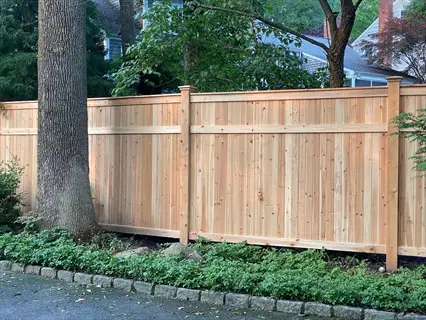
Cedar Wood Fence
- Best For: Homeowners who want a classic natural look that blends with garden landscapes and adds property value over time.
- Material: Western red cedar boards or split rails, available in pre-built panels or individual pickets for custom designs.
- Lifespan: Cedar posts last 15 to 20 years untreated and 20 to 25 years with a protective sealant, based on UGA Extension research.
- Cost Range: Typically $8 to $15 per linear foot installed, making it a mid-range option with strong long-term value.
- Installation: A solid weekend project for experienced DIY builders; posts should be sunk at least 24 inches (61 centimeters) below ground.
- Maintenance: Requires staining or sealing every 2 to 3 years to prevent graying, but resists rot and insects much better than pine on its own.
Chicken Wire Fence
- Best For: Budget-conscious gardeners who need to keep rabbits and small ground animals out of raised beds and vegetable patches.
- Material: Galvanized hexagonal wire netting in 18 to 22 gauge thickness, available in 24, 36, and 48 inch (61 to 122 centimeter) heights.
- Lifespan: Galvanized chicken wire lasts 5 to 10 years outdoors; wire treated after manufacturing lasts longer according to UGA Extension.
- Cost Range: One of the most affordable options at around $0.50 to $1.50 per linear foot for the wire, plus post costs.
- Installation: Easy weekend project requiring only T-posts or wooden stakes, wire staples, and basic hand tools.
- Maintenance: Inspect for rust and holes twice a year; patch small tears with wire ties rather than replacing entire sections.
Hardware Cloth Fence
- Best For: Gardeners dealing with voles, mice, chipmunks, and other small burrowing pests that slip through standard chicken wire.
- Material: Welded galvanized steel mesh with quarter-inch to half-inch openings, much stronger and more rigid than chicken wire.
- Lifespan: Heavy-gauge hardware cloth can last 15 to 20 years thanks to its thicker wire and galvanized coating.
- Cost Range: Around $1.50 to $3.00 per linear foot for the mesh material, more expensive than chicken wire but far more effective.
- Installation: Attach to wooden or metal posts using fence staples or zip ties; bury the bottom 6 to 12 inches (15 to 30 centimeters) underground.
- Maintenance: Very low maintenance; check connections annually and ensure the buried apron has not been disturbed by digging animals.
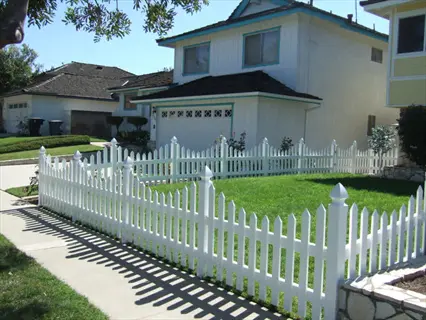
Vinyl Picket Fence
- Best For: Homeowners who want the look of a traditional white picket fence without ongoing painting, staining, or rot concerns.
- Material: PVC vinyl panels and posts that resist moisture, UV fading, and insect damage without any chemical treatments.
- Lifespan: Vinyl fences last 25 to 30 years with minimal upkeep, beating most wood options by a wide margin.
- Cost Range: Higher upfront cost at about $15 to $30 per linear foot installed, but savings on maintenance offset the initial price.
- Installation: Panel systems snap or slide together, making installation faster than traditional wood, though posts still require concrete footings.
- Maintenance: Wash with soap and water once or twice a year; no painting, staining, or sealing required at any point during its lifespan.
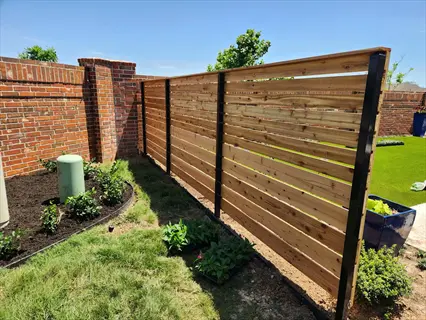
Metal Hog Panel Fence
- Best For: Gardeners who want a strong, modern-looking fence that doubles as a trellis for climbing vegetables like beans and tomatoes.
- Material: Heavy-gauge galvanized welded wire panels, typically 16 feet (4.9 meters) long and 34 or 50 inches (86 to 127 centimeters) tall.
- Lifespan: Galvanized steel panels last 20 to 30 years outdoors and resist bending, sagging, and animal damage far better than wire fencing.
- Cost Range: About $20 to $30 per 16-foot panel, plus posts and hardware, making it a mid-range option for medium-sized gardens.
- Installation: Attach panels to wooden 4x4 posts or metal T-posts using U-bolts or heavy-duty zip ties for a clean modern look.
- Maintenance: Almost zero maintenance needed; inspect for rust at ground level every few years and touch up any exposed metal with spray paint.
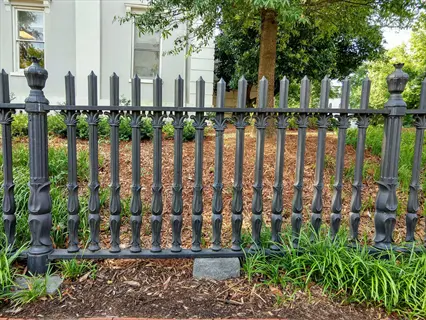
Wrought Iron Fence
- Best For: Gardens where security, visibility, and decorative appeal matter more than full privacy or blocking small ground animals.
- Material: Welded steel or aluminum bars with ornamental finials, available in pre-made panels or custom-fabricated designs.
- Lifespan: Metal fences last 30 to 50 years or more when properly maintained, making them one of the longest-lasting garden fence options.
- Cost Range: Premium pricing at $25 to $50 per linear foot installed, reflecting the material strength and decorative craftsmanship involved.
- Installation: Professional installation is recommended because panels are heavy and posts require deep concrete footings for stability.
- Maintenance: Inspect once a year for rust; sand and repaint any chipped areas right away to prevent corrosion from spreading along the metal surface.
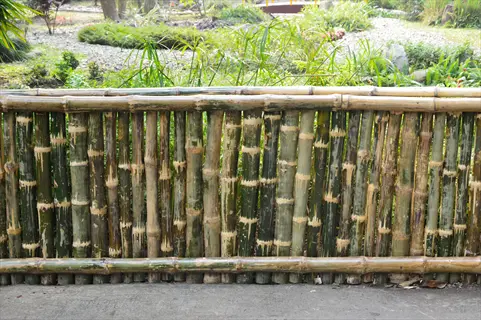
Bamboo Roll Fence
- Best For: Eco-conscious gardeners seeking an affordable, renewable, and natural-looking barrier that installs in under an hour.
- Material: Dried bamboo canes wired together in rolls, typically 6 to 8 feet (1.8 to 2.4 meters) long and 3 to 6 feet (0.9 to 1.8 meters) tall.
- Lifespan: Untreated bamboo lasts 3 to 5 years outdoors; applying a UV-resistant sealant can extend the life to 7 to 10 years.
- Cost Range: Very affordable at $1 to $3 per linear foot for pre-made rolls, making it one of the cheapest decorative fence materials available.
- Installation: Attach to existing posts or stakes with zip ties or wire; no special tools needed and one person can handle the job alone.
- Maintenance: Replace individual canes as they crack or split; reapply sealant every 1 to 2 years to prevent moisture damage and fading.
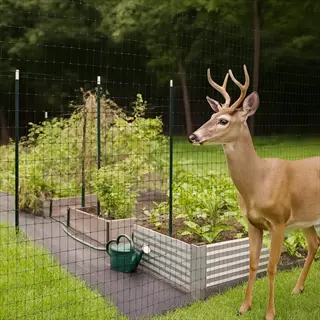
Plastic Mesh Deer Fence
- Best For: Large gardens and rural properties where deer browsing is the primary threat and visual appearance is less important.
- Material: UV-stabilized polypropylene mesh, typically black or dark green, available in 5 to 7 foot (1.5 to 2.1 meter) heights.
- Lifespan: Quality plastic mesh lasts 10 to 15 years before UV degradation weakens the material enough to require replacement.
- Cost Range: Only $0.59 per running foot according to Cornell University research, making it the most affordable deer exclusion method available.
- Installation: Attach to wooden posts or metal T-posts with zip ties; lightweight enough that one person can fence a large area in a single day.
- Maintenance: Inspect 2 to 3 times per year and after major storms, as deer and fallen branches can create tears that need patching.
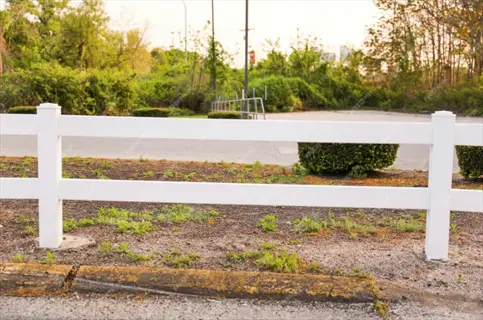
Split Rail Fence
- Best For: Rural and farmstead-style gardens where a rustic open boundary is desired without fully blocking views or airflow.
- Material: Rough-hewn cedar, locust, or pine rails that slot into pre-drilled posts, typically in two-rail or three-rail configurations.
- Lifespan: Black locust split rails last 20 to 25 years without any treatment, while cedar rails last 15 to 20 years untreated.
- Cost Range: Around $8 to $15 per linear foot installed, varying by wood species and whether you choose two or three horizontal rails.
- Installation: Posts are set 6 to 8 feet (1.8 to 2.4 meters) apart with rails inserted into notched holes, making it a manageable DIY project.
- Maintenance: No painting or staining needed if using rot-resistant wood; just replace any rails that crack or warp over the years.
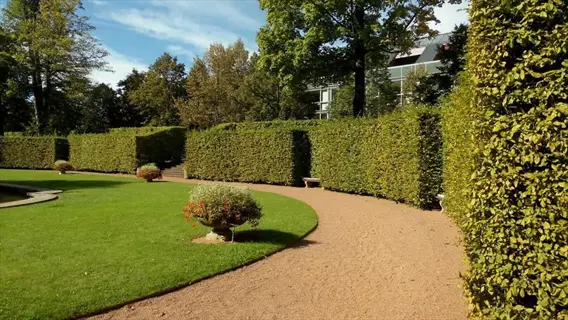
Living Fence or Hedgerow
- Best For: Gardeners who want a permanent, wildlife-friendly boundary that improves soil health and attracts pollinators over time.
- Material: Native shrubs and small trees such as elderberry, holly, boxwood, ninebark, or blackberry planted in a dense continuous row.
- Lifespan: A well-maintained hedgerow can last indefinitely, growing thicker and more effective as a barrier with each passing year.
- Cost Range: Initial planting costs $3 to $10 per shrub, but living fences cut out replacement costs once established after 2 to 3 years.
- Installation: Plant shrubs 18 to 24 inches (46 to 61 centimeters) apart in a prepared trench with compost-amended soil for best root establishment.
- Maintenance: Prune once or twice per year to maintain shape and density; water often during the first two growing seasons until roots take hold.
The best garden fence for your yard depends on your biggest threat and your budget. Wire and mesh options work great for animal control while wood and vinyl add curb appeal. Many of my clients mix 2 or 3 types across one property for the best results.
Materials and Lifespans
The fence materials you choose decide how long your fence lasts and how much work it needs each year. I've watched cheap pine posts rot in under 4 years while cedar fence posts on the same property held strong for over 15. UGA Extension research backs this up with hard numbers on every common wood species.
Think of pressure-treated wood as a budget sedan with upgrades. It starts cheap but the treatment gives it a fence lifespan of 25 to 30 years. Cedar is more like a luxury model that comes standard with rot resistance. Both get you where you need to go, but the upfront costs and maintenance look different.
The table below shows treated versus untreated lifespans from UGA Extension Circular 1027-9. If you want a low-maintenance fence, black locust and vinyl fence options need the least attention over time. For wire fences, keep in mind that a lower gauge number means thicker and stronger wire.
I now use pressure-treated pine for my fence posts and save the cedar fence boards for the visible parts. This mix cuts your cost in half while keeping the fence looking great for 20 or more years.
Animal-Proof Fencing
The first step to building an animal-proof garden fence is figuring out which animal is eating your plants. I wasted a full season blaming rabbits when deer were the real problem. Once I matched the fence to the actual pest, my garden losses dropped to almost zero.
UGA Extension research makes it clear: no single fence stops all animals. A deer fence needs to be 6 to 8 feet tall while a rabbit fence only needs 2 feet of chicken wire with a 12 inch buried fence apron. Raccoons need a floppy top section they can't climb over. Each pest demands its own setup to keep animals out for good.
Cornell Extension also found that young plants may need 5 to 10 years of fence protection before they grow tall enough to handle deer on their own. That makes your fence a long term investment, not a quick fix. An electric fence for garden beds can add another layer of defense if your area has heavy deer traffic.
Print that table and keep it handy when you shop for materials. Matching the fence to the specific pest saves you from buying too much or too little protection for your garden beds.
Cost and Budgeting
Garden fence cost is the first question most people ask, and I don't blame them. I've built a cheap garden fence for under $50 total and also spent over $2,000 on a cedar setup for the same yard. The prices below come from Cornell University research so you can trust the numbers.
I broke the table into 3 tiers to help you find affordable fencing options fast. Budget picks run under $1 per foot, mid-range falls between $1 and $10 per foot, and premium starts above $10. The cost per linear foot covers materials, not labor, unless noted. Cornell's 2018 prices still hold up well even with inflation added on top.
In my experience, a budget garden fence made from plastic mesh can protect a 100 foot garden for under $60 in materials alone. Even the priciest wire deer fence stays far cheaper than solid wood or vinyl panels at $20 to $50 per foot. Start with what you can afford now and upgrade later as your garden grows.
Permits and Regulations
Most garden guides skip fence permit requirements and fence building codes, but ignoring them can cost you big. I once watched a neighbor tear down a brand new 6 foot privacy fence because it sat 2 inches over the property line. That mistake cost him over $3,000 in wasted materials and labor.
Fence height regulations vary by city, but many follow rules close to NYC's building codes. Most towns cap backyard fences at 6 feet and front yard fences at 4 feet. Check your local codes before you buy a single post. Property line fence rules and HOA fence restrictions can add even more limits on top of city codes.
Check Local Height Limits
- Residential Zones: Most cities cap residential fences at 6 feet (1.8 meters) in backyards and 4 feet (1.2 meters) in front yards based on zoning codes.
- Corner Lots: Side fences on corner lots may have different rules, often capped at 6 feet (1.8 meters) but with setback requirements from the sidewalk.
- Exceptions: Taller fences for agricultural purposes such as deer exclusion may be permitted in rural zoning districts with a variance application.
Verify Permit Requirements
- Standard Fences: In many jurisdictions, fences 6 feet (1.8 meters) or shorter on single-family properties do not require a building permit at all.
- Taller Structures: Fences above the standard height limit or those built with masonry materials often need both a zoning permit and engineering approval.
- Pool Fences: Fences around swimming pools have separate safety codes specifying minimum height, self-closing gates, and non-climbable designs.
Locate Property Boundaries
- Survey First: Fences must be installed inside your property lines, and a licensed land surveyor can confirm exact boundaries before construction begins.
- Shared Boundaries: Talk to neighbors before building on or near a shared property line to avoid disputes and potential removal orders from local authorities.
- Setback Rules: Some municipalities require fences to be set back 6 to 12 inches (15 to 30 centimeters) from the actual property line.
Review HOA and Historic Rules
- HOA Covenants: Homeowners association rules may limit fence materials, colors, heights, and styles beyond what local building codes require.
- Historic Districts: Properties in landmarked areas need approval from a preservation commission before any exterior changes including fences.
- Contractor Licensing: Hired fence installers must hold proper home improvement contractor licenses in most jurisdictions per local consumer protection laws.
In my experience, one phone call to your local building office clears up most permit questions in under 10 minutes. That quick check saves you thousands in fines and rebuild costs.
Maintenance and Durability
Fence maintenance is the difference between a fence that lasts 5 years and one that lasts 25. I learned this the hard way when I skipped a single spring fence inspection and missed a rotting post. That one post took down an entire 8 foot section during a summer storm.
Cornell Extension says every fence needs checking 2 to 3 times per year and after major storms. Whether you have wood, wire, or vinyl, a quick walk along the fence line catches small problems before they turn into big fence repair jobs. Staining and sealing fence boards in summer helps with rot prevention on wood setups.
The seasonal guide below breaks fence tasks into 4 chunks so you know what to do and when. Wire gauge matters here too: UGA Extension notes that lower gauge numbers mean thicker wire. Galvanized wire treated after it was made lasts longer than wire treated before. This makes your fence more weather-resistant fence from day one.
Spring Inspection and Repair
- Post Check: Examine every fence post for frost heave, leaning, or rot at the ground line where moisture damage occurs most often during winter months.
- Wire Tension: Re-tension any sagging wire or mesh that snow and ice may have stretched, and replace broken zip ties or fence staples along the top rail.
- Ground Apron: Verify that buried aprons and L-shaped footers are still intact, as freeze-thaw cycles can shift soil and expose barriers to burrowing animals.
Summer Staining and Sealing
- Wood Treatment: Apply stain or sealant to wooden fences in dry weather above 50°F (10°C) for proper adhesion and curing on the surface.
- Vegetation Control: Trim back vines, shrubs, and grass growing against the fence to prevent moisture trapping that speeds up rot in wood and corrosion in metal.
- Gate Hardware: Lubricate hinges and latches with a silicone spray to prevent rust and ensure smooth operation through the growing season.
Fall Storm Preparation
- Secure Panels: Tighten loose boards, panels, and fasteners before fall winds arrive; a single loose panel can tear away and damage an entire fence section.
- Drainage Check: Clear debris from the base of fences to prevent water pooling that leads to premature rot in wood posts and erosion around concrete footings.
- Electric Fence Test: If using electric fencing, test the charger and all connections before winter when animals push harder against weak barriers.
Winter Monitoring
- Snow Load: Brush heavy snow off wire fences and mesh panels to prevent stretching and sagging that becomes permanent if left for the full winter season.
- Animal Activity: Watch for new digging attempts along the fence line, as animals forage more when food sources become scarce in cold months.
- Rust Check: Inspect metal fences and hardware for rust forming under snow and ice; mark any spots for sanding and repainting during the next dry spell.
5 Common Myths
A 4-foot fence is tall enough to keep deer away from your vegetable garden beds.
Deer can easily jump 6 feet (1.8 meters), so effective deer fences need to be at least 8 feet (2.4 meters) tall according to UGA Extension research.
Pressure-treated wood is unsafe to use near edible garden plants and vegetable beds.
Modern pressure-treated lumber uses copper-based preservatives that are approved for residential garden use and do not leach harmful chemicals into soil at dangerous levels.
Chicken wire is strong enough to keep out all common garden pests including raccoons.
Chicken wire only stops poultry and rabbits; raccoons and larger animals can tear through it, so hardware cloth with smaller openings is needed for stronger exclusion.
You never need a permit to put up a fence on your own residential property.
Most municipalities require permits for fences above a certain height, and front yard fences often have stricter limits such as 4 feet (1.2 meters) maximum.
Vinyl fencing is always more expensive than wood fencing over the life of the fence.
Vinyl costs more upfront but lasts 25 to 30 years with almost zero maintenance, while wood requires regular staining and repairs that add up over time.
Conclusion
The right garden fence starts with knowing your biggest threat. Match your fence to the specific animal eating your plants and you'll stop most damage in the first season. UGA Extension lifespan data helps you pick fence materials that last decades instead of years.
You don't need to spend a fortune to protect your garden. Cornell research shows plastic mesh costs just $0.59 per running foot and keeps deer out of large spaces. Even on a tight budget, you can build an animal-proof garden fence that does the job well.
Don't skip the step most guides ignore: check your local building codes and permits before you buy materials. I've seen too many fences torn down over permit issues that a single phone call would have solved. Good fence maintenance through each season keeps your setup strong for years after you build it.
A well chosen garden fence protects your harvest for years to come. You'll also save cash instead of buying new plants every single season. Start with the pest table, pick your materials, and build something that lasts.
External Sources
Frequently Asked Questions
What is the cheapest way to fence a garden?
Plastic mesh stretched between T-posts is the most affordable option at roughly $0.59 per running foot, based on Cornell University research.
What is the cheapest fencing for a garden?
High tensile wire fencing costs about $0.51 per running foot, making it the least expensive material per foot for garden use.
What is a fence of stakes called?
A fence made of vertical stakes is commonly called a palisade or stockade fence, while shorter versions are known as picket fences.
What is the best fence for a garden?
The best garden fence depends on your goal: hardware cloth stops small pests, 8-foot mesh keeps deer out, and cedar picket fences add beauty.
What to use instead of a fence?
Hedgerows, living fences made from native shrubs, raised bed netting, and motion-activated sprinklers are popular fence alternatives.
What are common fencing mistakes to avoid?
Skipping buried aprons, using the wrong mesh size, ignoring local permits, and choosing untreated softwood posts are frequent errors.
How much does it cost to fence a garden?
Costs range from about $170 for basic wire fencing to over $1,300 for traditional woven wire, depending on materials and labor.
What type of garden fence lasts the longest?
Metal fences such as galvanized steel or aluminum last 30 to 50 years, while black locust wood posts last over 20 years untreated.
What is the most inexpensive fence to put up?
A high tensile wire fence at $0.51 per running foot is the least expensive to install, followed by plastic mesh at $0.59 per foot.
Are intruder spikes legal?
Intruder spikes are legal in many areas but may be restricted by height, placement, and local ordinances, so always check local building codes.