
Introduction
Hydroponic gardening means growing fresh food in water and nutrients instead of dirt. This method of growing plants without soil dates back to 1699. It took off during World War II when troops needed fresh food on barren Pacific islands. Research shows hydroponic systems use up to 90% less water than soil farms. That water-based nutrient solution approach makes soilless growing worth a serious look.
I built my first hydroponic setup in a spare closet about 7 years ago with just one bucket of lettuce. That single bucket taught me more about plant nutrition than a decade of soil gardening. Think of it this way. Growing plants in water is like giving them a personalized meal plan. They don't have to forage in soil for random nutrients. You control every mineral, and they reward you with faster growth and bigger harvests.
The world must feed 9.7 billion people by 2050, and food production needs to rise by 60%. Hydroponic gardening fits right into that challenge. It grows more food in less space with far less water. A small tabletop system in your kitchen can produce fresh greens all year. You don't need a farm or a backyard to start producing your own food.
This guide covers the 6 main system types, the best plants, equipment costs, nutrients, and maintenance tips you need. Each section builds on the last so you can go from total beginner to confident grower. Let's get into how soilless growing works and which setup fits your goals.
6 Hydroponic System Types
Choosing the right system matters more than any other decision you make as a new grower. Each of the 6 main types has its own strengths. Deep water culture is the slow cooker of hydroponics. You set it up, check on it now and then, and let it do its thing. The nutrient film technique works more like a conveyor belt that feeds your plants nonstop. This hydroponic system comparison below breaks down cost, skill level, and best crops for all 6 types.
I've tested 4 of these 6 systems in my own grow space over the years. Deep water culture is the least costly and simplest system to run because it skips water pumps. You just need an air pump to keep roots alive. For nutrient film technique setups, aim for a flow rate of 8 to 10 oz per minute when growing lettuce. The wick system and ebb and flow systems fall in the middle for cost and effort. A drip system gives you more feeding control, while aeroponics pushes yields higher but demands more gear.
One bonus method worth knowing is the Kratky method. It uses zero electricity and zero pumps. You fill a container with nutrient water, place your plant on top, and let the roots grow down as the water level drops. No other system is that simple. It's the perfect starting point if you want to test hydroponic growing before you spend money on pumps or lights.
8 Best Hydroponic Plants
Not all hydroponic plants perform the same way, and picking the right ones saves you weeks of frustration. Leafy greens and hydroponic herbs are the easiest to grow because they need less light and fewer nutrients than fruiting crops. Hydroponic lettuce in a water system is like a fish in water. It thrives because the setup gives it everything it needs with almost no extra work from you. The best plants for hydroponics fall into 3 groups: leafy greens, herbs, and fruiting plants.
I tell every new grower to start with lettuce or basil first. You can try hydroponic tomatoes and cucumbers after that. The USDA lists herbs, cucumbers, lettuce, peppers, and tomatoes as top hydroponic crops for good reason. These plants have proven track records in water culture at home and commercial scales. Grow hydroponic herbs and leafy greens indoors all year. Save strawberries and tomatoes for warmer months or strong grow light setups.
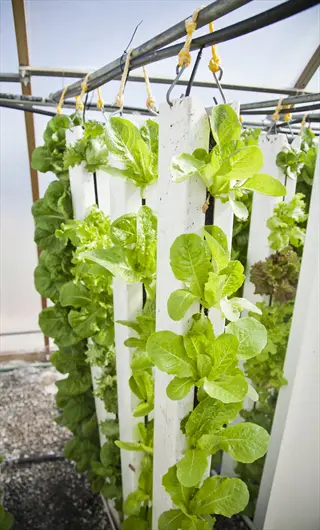
Lettuce
- Growth Time: Lettuce reaches harvest size in just 6 to 7 weeks from transplant, making it one of the fastest hydroponic crops available for home growers.
- Best System: Deep Water Culture and Nutrient Film Technique systems produce the highest lettuce yields, with studies showing up to 20 times more per acre than soil cultivation.
- Varieties: Butterhead, romaine, and loose-leaf varieties all perform very well in hydroponic setups, with loose-leaf types offering the quickest harvest turnaround.
- Nutrient Needs: Lettuce thrives at a pH of 5.5 to 6.0 with moderate nutrient concentrations, making it forgiving for beginners still learning to balance their solutions.
- Temperature: Ideal growing temperature is 60 to 70 degrees Fahrenheit (15.5 to 21 degrees Celsius), which is comfortable room temperature for most indoor spaces.
- Year-Round Growing: Lettuce grows indoors year-round under basic LED grow lights, providing continuous harvests regardless of outdoor weather conditions.
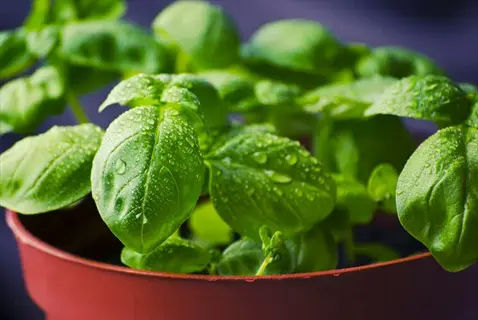
Basil
- Growth Time: Basil is ready for first harvest in about 3 to 4 weeks after transplant, and continuous harvesting encourages bushier growth and higher total yields.
- Best System: Deep Water Culture and drip systems work best for basil because the roots enjoy constant moisture while the stems stay dry and resist rot.
- Profitability: Basil is one of the most profitable hydroponic crops for small growers, commanding premium prices at farmers markets and local restaurants.
- Varieties: Sweet basil, Genovese, Thai basil, and purple basil all adapt well to hydroponic cultivation with similar nutrient requirements across varieties.
- Nutrient Needs: Basil prefers a bit higher nutrient concentrations than lettuce and thrives at a pH of 5.5 to 6.5 with good calcium and magnesium levels.
- Light Requirements: Basil needs 10 to 12 hours of light daily for best flavor and growth, which standard LED grow light panels provide with ease.
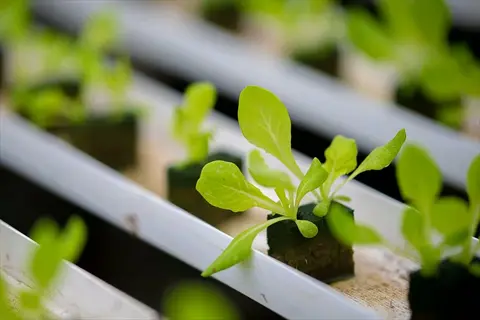
Spinach
- Growth Time: Spinach reaches harvestable size in 4 to 6 weeks from transplant and can be harvested multiple times by picking outer leaves first.
- Best System: Nutrient Film Technique and Deep Water Culture systems suit spinach well because the short root system benefits from consistent nutrient flow.
- Temperature: Spinach prefers cooler conditions around 60 to 65 degrees Fahrenheit (15.5 to 18 degrees Celsius), making it ideal for basements or cooler indoor areas.
- Nutrient Needs: Spinach is a heavy feeder that requires higher nitrogen levels and a pH between 6.0 and 6.5 for optimal leaf development and dark color.
- Varieties: Bloomsdale, Space, and Tyee varieties adapt very well to hydroponic systems and resist bolting better than many garden varieties.
- Nutritional Value: Hydroponically grown spinach retains excellent iron and vitamin content when harvested fresh, providing a nutrient-dense crop from minimal space.
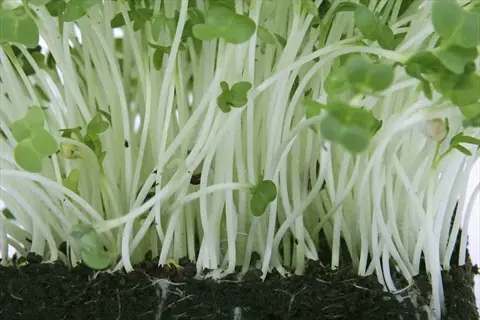
Kale
- Growth Time: Kale takes 5 to 7 weeks from transplant to first harvest and continues producing leaves for several months with regular picking.
- Best System: Deep Water Culture and ebb and flow systems provide the strong nutrient delivery kale needs for thick, healthy leaf production.
- Varieties: Curly kale, Lacinato (dinosaur kale), and Red Russian varieties all grow well hydroponically with unique flavor profiles for culinary variety.
- Nutrient Needs: Kale requires high nitrogen and calcium levels with a pH of 5.5 to 6.5, and benefits from the precise nutrient control hydroponics provides.
- Space Needs: Each kale plant needs about 6 to 8 inches (15 to 20 centimeters) of spacing in a hydroponic system, so plan your channel or container size around that.
- Harvest Method: Pick the lower, outer leaves first while leaving the central growing point intact, and the plant will keep producing new leaves from the center.
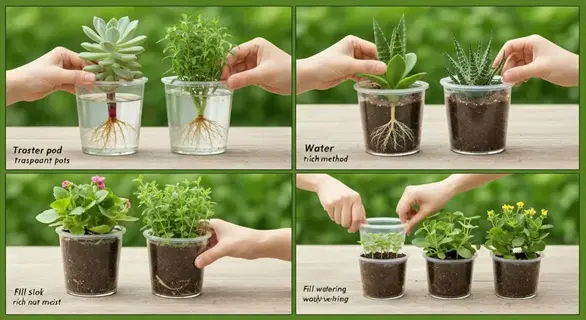
Mint
- Growth Time: Mint establishes fast in hydroponic systems and is ready for first harvest within 2 to 3 weeks after transplanting established cuttings.
- Best System: Deep Water Culture is ideal for mint because its aggressive root system thrives in large water volumes without crowding other plants.
- Propagation: Mint roots with ease from stem cuttings placed straight into water, making it one of the simplest herbs to start without purchasing seeds or starter plants.
- Growth Habit: Mint grows with vigor in hydroponics and should be grown apart from other plants to prevent its roots from overtaking shared reservoirs.
- Varieties: Spearmint, peppermint, and chocolate mint all flourish in hydroponic setups, with each variety maintaining distinct flavor characteristics in water culture.
- Harvest Tips: Regular harvesting by cutting stems just above a leaf node encourages branching and produces a bushier, more productive plant over time.
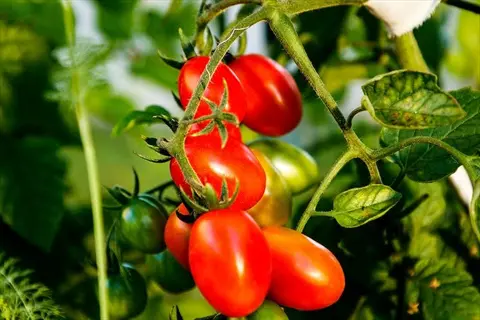
Cherry Tomatoes
- Growth Time: Cherry tomatoes take 8 to 12 weeks from transplant to first fruit and continue producing for several months in a well-maintained hydroponic system.
- Best System: Drip systems and ebb and flow setups provide the strong nutrient delivery and support structure that tomato plants need as they grow tall and heavy.
- Support Needs: Tomato plants require trellising or staking in hydroponic systems because the stems cannot support the weight of fruit clusters without physical support.
- Pollination: Indoor hydroponic tomatoes need manual pollination by shaking flower clusters with care or using a small brush to transfer pollen between blossoms.
- Nutrient Needs: Tomatoes require higher phosphorus and potassium once flowering begins, with a pH of 5.5 to 6.5 and calcium to prevent blossom end rot.
- Light Requirements: Tomatoes need 12 to 16 hours of strong light daily, making high-output LED grow panels essential for indoor hydroponic tomato production.
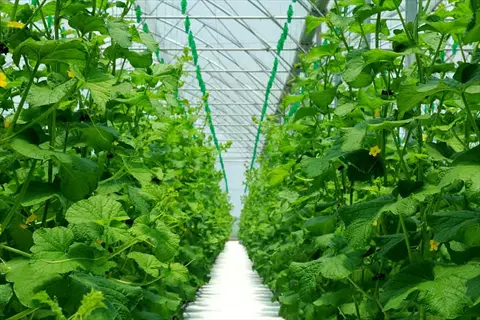
Cucumbers
- Growth Time: Cucumbers grow fast in hydroponic systems and produce fruit within 6 to 8 weeks from transplant under proper light and temperature conditions.
- Best System: Drip systems and Deep Water Culture with large reservoirs work best because cucumbers are heavy water drinkers that need consistent moisture.
- Varieties: Bush cucumber varieties and compact hybrids bred for container growing adapt better to indoor hydroponic setups than full-size vining types.
- Support Needs: Even compact varieties benefit from a trellis or vertical string support to keep fruit off the ground and improve air circulation around the plant.
- Temperature: Cucumbers prefer warmer conditions of 70 to 80 degrees Fahrenheit (21 to 27 degrees Celsius) and do not tolerate cold nutrient solution well.
- Pollination: Choose parthenocarpic (self-pollinating) cucumber varieties for indoor growing to avoid the need for manual pollination or insect pollinators.
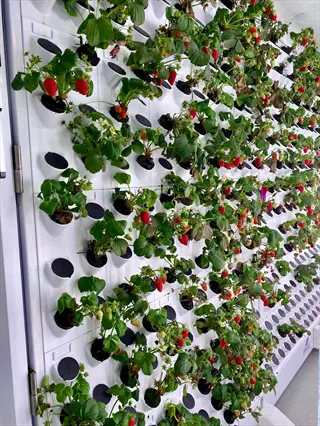
Strawberries
- Growth Time: Strawberries take 8 to 12 weeks from transplant to first fruit in hydroponic systems, with production increasing a great deal in the second growing cycle.
- Best System: Nutrient Film Technique and vertical tower systems are ideal for strawberries because the short root system fits narrow channels and maximizes space.
- Varieties: Day-neutral varieties like Albion and Seascape produce fruit nonstop regardless of day length, making them the best choice for indoor hydroponic growing.
- Nutrient Needs: Strawberries need increased potassium during fruiting and prefer a more acidic pH of 5.5 to 6.2 for best berry development and sweetness.
- Pollination: Indoor strawberries require manual pollination using a soft brush to transfer pollen between flowers, since no insects exist indoors to do the job.
- Light Requirements: Strawberries need 12 to 16 hours of light daily for fruiting, and LED panels with red spectrum emphasis help promote flower and fruit development.
Start with 1 or 2 easy crops like lettuce and basil before you add fruiting plants to your setup. Greens teach you the basics of pH and nutrients without the added challenge of pollination or heavy feeding. Once those first harvests come in, you'll have the skills and confidence to grow almost anything on this list.
Equipment and Setup Costs
Your hydroponic equipment list does not need to break the bank. Building your first setup is a lot like putting together a fish tank. You need a container, a way to add oxygen to the water, and the right chemical balance to keep things alive. A Deep Water Culture hydroponic starter kit costs under $50 total when you build it from a 5 gallon bucket. That covers all the hydroponic supplies you need to start. I built my first system for about $35, and it grew lettuce for 6 months straight.
If you want to scale up, a tabletop NFT system that measures 55 by 55 by 31 inches can hold 36 plants across 6 channels. That's a lot of fresh greens from a space smaller than a kitchen table. The list below covers every piece of hydroponic equipment you need along with real price ranges. Items like net pots, an air pump, grow lights, and a reservoir form the core of any system you choose to build.
Growing Container or Reservoir
- Purpose: The reservoir holds the nutrient solution that feeds your plants, and its size determines how many plants you can grow and how stable your water chemistry remains between adjustments.
- Budget Option: A standard five-gallon bucket with a lid costs under 10 dollars and works perfectly for a single-plant Deep Water Culture system to grow lettuce or herbs.
- Upgraded Option: A 10 to 25-gallon storage tote with opaque walls costs 15 to 40 dollars and supports multiple plants while keeping light out to prevent algae growth.
Air Pump and Air Stones
- Purpose: Air pumps push oxygen into the nutrient solution through air stones, keeping roots healthy and preventing the anaerobic conditions that cause root rot and plant death.
- Cost Range: A basic aquarium air pump suitable for one to two buckets costs 10 to 20 dollars, while larger pumps for multi-container setups run 25 to 50 dollars.
- Selection Tip: Choose an air pump rated for at least double your reservoir volume to ensure sufficient oxygenation even as roots grow larger and consume more oxygen.
Net Pots and Growing Media
- Purpose: Net pots hold plants in place above the nutrient solution while allowing roots to grow down into the water, and growing media like clay pebbles or perlite provide root support.
- Cost Range: A pack of 25 net pots costs 5 to 10 dollars, and a bag of expanded clay pebbles or perlite sufficient for a starter system costs 10 to 20 dollars.
- Media Options: Coconut coir, clay pebbles, perlite, vermiculite, and rockwool each have different water retention and pH properties, so choose based on your system type and plants.
Nutrient Solution and pH Kit
- Purpose: Hydroponic nutrients provide all essential minerals plants need since there is no soil, and pH testing kits ensure the solution stays in the 5.5 to 6.5 range for proper absorption.
- Cost Range: A starter nutrient kit lasts several months and costs 15 to 30 dollars, while a basic pH test kit with adjustment solutions runs 10 to 20 dollars.
- Selection Tip: Look for two-part or three-part liquid nutrient systems designed for hydroponics, as regular garden fertilizers lack the complete mineral profile plants need in water.
LED Grow Lights
- Purpose: Grow lights replace sunlight for indoor hydroponic systems, providing the full spectrum of light energy plants need for photosynthesis, growth, and fruiting.
- Cost Range: A basic LED panel suitable for a small herb or lettuce setup costs 30 to 60 dollars, while higher-output panels for fruiting plants like tomatoes run 80 to 200 dollars.
- Selection Tip: Choose full-spectrum LED panels rated for your growing area size, and position them 12 to 24 inches (30 to 61 centimeters) above plant canopy for optimal coverage.
Nutrients and pH Management
Getting your hydroponic nutrients right is the single biggest factor in how well your plants grow. Your plants need 2 groups of minerals. The macronutrients your plants eat most are nitrogen, phosphorus, and potassium. They also need calcium, magnesium, and sulfur. Micronutrients like iron, manganese, zinc, and boron handle smaller but vital jobs. The Hoagland Solution from 1938 set the standard ratios that growers still use as a base today.
pH management works like a locked door in your system. Even if all the right nutrients sit in the water, your plants can't absorb them if the pH key doesn't fit. The sweet spot for most hydroponic plants falls between 5.5 and 6.5 on the pH scale. I test my systems every morning with a digital pH meter. It takes 30 seconds and saves you from weeks of stunted growth. When pH drifts, you add small amounts of pH up or pH down solution until the reading sits back in range.
Aim for a calcium to magnesium ratio of 2:1 and a potassium to magnesium ratio of 4:1 in your nutrient mix. These numbers come from peer reviewed research and they work well across most crops. Track your electrical conductivity with an EC meter each week to make sure nutrient levels stay on target. If you spot a nutrient deficiency, check the table below before you add anything new. The fix is often a simple pH correction rather than more minerals.
Maintenance and Pest Control
Hydroponic maintenance is what separates growers who succeed from those who quit in the first few months. Think of your system like a swimming pool. Regular testing and cleaning stops small issues from becoming big disasters. I lost an entire crop of basil to Pythium root rot in my second year. I skipped water changes for a month and paid the price. That mistake taught me to take pest control and sanitation very serious.
This hydroponic troubleshooting list is split into daily, weekly, and monthly tasks. Follow it to keep root rot, algae growth, and pests away from your setup. Thrips, mites, aphids, and whiteflies are the most common invaders. Powdery mildew and Pythium can kill your plants in days if you catch them late. Stick to this routine and you'll dodge the problems that push most growers to quit.
Daily Tasks
- Check Water Level: Inspect reservoir water levels each day and top off with pH-adjusted water as needed, because plants in active growth can drink a lot of solution in 24 hours.
- Monitor pH: Test the nutrient solution pH every day using a digital meter or test strips, and adjust back to the 5.5 to 6.5 range if it drifts outside that window.
- Inspect Plants: Look at leaves, stems, and visible roots each day for early signs of pests, discoloration, wilting, or unusual spots that may indicate nutrient or disease problems.
Weekly Tasks
- Test EC Levels: Measure electrical conductivity each week to ensure nutrient levels stay within the target range for your crops, adding fresh nutrients or water as needed to rebalance.
- Clean Equipment: Wipe down grow light reflectors, check air pump tubing for blockages, and remove any dead leaves or plant debris that has fallen into the reservoir.
- Check Root Health: Examine roots through net pots or by lifting plants with care to look for brown, slimy, or bad smelling roots that point to the start of root rot from Pythium.
Every 2 to 4 Weeks
- Full Water Change: Replace the entire nutrient solution every 2 to 3 weeks to prevent mineral salt buildup and reset the nutrient balance to good starting levels.
- Deep Clean System: Sanitize reservoirs, channels, and net pots between crop cycles using a sanitation solution of 1 tablespoon household bleach per gallon of water.
- Pest Inspection: Conduct thorough pest checks on leaf undersides and stem joints for thrips, spider mites, aphids, and whiteflies, which are the most common indoor hydroponic invaders.
Common Disease Prevention
- Root Rot Prevention: Keep nutrient solution well oxygenated with a good air pump, maintain temps below 72°F at the root zone, and never let roots sit in stagnant water.
- Algae Control: Block all light from reaching the nutrient solution by using opaque reservoirs and covering any gaps around net pots, since algae needs light to grow and steal from your plants.
- Mildew Prevention: Maintain good air flow around plant leaves with a small fan, keep humidity below 70%, and space plants far enough apart that leaves do not stay wet.
Sustainability and Food Security
Your hydroponic garden does more than grow food for your family. It connects you to a global food security challenge. The world needs to feed 9.7 billion people by 2050, and that means food production must jump by 60%. About 690 million people are going hungry right now. Around 30% of the global food supply goes to waste every year. These numbers show why sustainable crop production methods matter more than ever before.
Urban farming through hydroponics makes a real dent in these problems. By 2050, about 68% of the world will live in cities with little access to farmland. Vertical farming and home hydroponic setups let city dwellers grow their own fresh food in small spaces. Experts say hydroponics is key to meeting that demand. Your kitchen counter setup is part of a much bigger movement toward food independence.
Think of it this way. Traditional farming is like driving a gas truck to deliver food across the country. Home hydroponics is like picking produce from your kitchen counter. You cut out transport emissions, packaging waste, and food miles. Water conservation alone is huge since hydroponic systems use up to 90% less water than soil farms. The full environmental impact hydroponics has on your carbon footprint is real and it grows as more people join in.
I started growing my own greens to save money. The benefits changed how I think about food. Every head of lettuce from my setup is one less bag from the store that was shipped from hundreds of miles away. When you add up thousands of home growers doing the same thing, the effect on sustainable crop production adds up fast. Your small system is a real step toward a better food future.
5 Common Myths
Hydroponic produce is less nutritious than soil-grown food because plants need soil minerals to develop proper vitamins and nutrients.
Research shows hydroponically grown produce can match or exceed soil-grown nutrition because growers precisely control every nutrient the plant receives in solution.
Hydroponic gardening requires expensive equipment and thousands of dollars in startup costs to grow anything successfully at home.
A basic Deep Water Culture system can be built with a five-gallon bucket, net pot, air pump, and nutrients for under 50 dollars, making it accessible to most budgets.
You need a large dedicated space like a greenhouse or spare room to set up a working hydroponic garden at home.
Tabletop hydroponic systems fit in spaces as small as 55 by 55 inches (140 by 140 centimeters) and can hold 36 plants, making them suitable for apartments and small kitchens.
Hydroponic systems waste more water than traditional soil gardening because plants sit in water constantly and it evaporates quickly.
Hydroponic systems use up to 90 percent less water than conventional soil farming because they recirculate nutrient solution and minimize evaporation and runoff.
Growing plants without soil means hydroponic gardens never have problems with pests or diseases since bugs live in dirt.
Indoor hydroponic gardens can still attract thrips, mites, aphids, and whiteflies, and face diseases like powdery mildew and root rot from the pathogen Pythium.
Conclusion
Hydroponic gardening gives you a real way to grow fresh food at home without a single patch of dirt. The numbers back it up. You save up to 90% less water than soil farming and can pull 20 times more lettuce per acre from a hydroponic setup. A Deep Water Culture system costs under $50 to build, and your first lettuce harvest arrives in just 6 to 7 weeks. Those aren't marketing claims. They come from peer reviewed research.
Beginner hydroponics does not need to feel hard or costly. Start with one bucket of lettuce using the soilless growing methods in this guide. Learn how pH and nutrients work together on that single plant before you expand. I grew my confidence one bucket at a time, and that slow approach saved me from the costly mistakes that make people give up. Growing without soil gets easier with every crop you harvest.
This field keeps growing fast. Over 6,927 research papers sit in the USDA library on this topic alone. New tools, better nutrients, and smarter systems hit the market every year. You're joining a growing community of home growers who want fresh food on their own terms. Soilless growing is not just a hobby. It's a step toward better food for you and the planet.
Pick a system from the table above, grab your supplies, and get your first seeds started this week. The best time to start is right now.
External Sources
Frequently Asked Questions
What are the 5 disadvantages of hydroponics?
The five main disadvantages include higher initial setup costs, dependence on electricity for pumps and lights, need for constant monitoring of nutrient levels and pH, vulnerability to system failures that can quickly kill plants, and a steeper learning curve compared to soil gardening.
What is hydroponics gardening?
Hydroponics gardening is the method of growing plants in nutrient-rich water solutions instead of soil, using substrates like perlite or coconut coir for root support.
What plants can you grow hydroponically?
You can grow lettuce, spinach, kale, basil, mint, cilantro, tomatoes, peppers, cucumbers, strawberries, and many other herbs and vegetables hydroponically.
Is a hydroponic garden worth it?
A hydroponic garden is worth it for growers who want faster harvests, higher yields, year-round production, and up to 90 percent less water usage than soil gardening.
Is tap water ok in hydroponics?
Tap water can work in hydroponics but should be tested for pH and chlorine levels first, and may need to sit out for 24 hours to off-gas chlorine before use.
What are three plants that are not recommended for hydroponics?
Root vegetables like potatoes and carrots, large fruit trees, and corn are generally not recommended for hydroponic growing due to space and support requirements.
Is hydroponics good for beginners?
Hydroponics is good for beginners, especially with simple systems like Deep Water Culture or wick systems that require minimal equipment and maintenance.
How often do you change hydroponic water?
Hydroponic water should be fully changed every two to three weeks, with daily monitoring of pH and nutrient levels between full changes.
Which crop is most profitable in hydroponics?
Basil, lettuce, and microgreens are among the most profitable hydroponic crops due to fast growth cycles, high demand, and premium pricing at local markets.
What can you not grow hydroponically?
Large root vegetables, trees, plants needing extensive root space like corn, and heavy vine crops like melons and pumpkins are difficult or impractical to grow hydroponically.