
Introduction
The ZZ plant has earned its spot as the top beginner houseplant for good reason. Proper zz plant care takes less effort than almost any other indoor green. I got my first one 8 years ago after killing every plant I owned. It still sits on my shelf today looking better than ever.
Thick underground rhizomes store water much like a camel stores reserves for desert travel. The ZZ plant is a stemless species with leaf stalks that rise straight from these rhizomes. It hails from the dry forests of eastern Africa with sandy, low nutrient soil. That tough origin makes it a drought tolerant star in your home.
Most care guides just say "water it and forget it." But this low light houseplant also cleans harmful chemicals from your air. Studies show ZZ plants remove benzene, toluene, and xylene. That bonus alone makes good care worth your time.
I tested dozens of care methods over the years on my own ZZ plants. The best results came from seasonal watering schedules and smart propagation tricks. You will find science backed tips here that go far past the basics.
Essential ZZ Plant Care Tips
Good zz plant watering starts with one simple rule. Let the soil dry out all the way before you add more water. Iowa State Extension says to water every 7 to 14 days and let the pot drain. When I first started, I used tepid morning water and dumped any extra from the saucer after 15 minutes.
Your ZZ plant does best in bright indirect light near a window but out of harsh direct sun. The soil should feel like a well drained riverbed rather than a packed garden bed. Mix in perlite or sand so water flows through fast. Every pot needs a drainage hole to stop root rot.
Pot material matters more than most people think. Terra cotta pots dry out faster and work great for folks who tend to overwater. Plastic holds moisture longer and suits drier rooms. Ceramic looks nice but check that it has drainage holes before you buy it.
Your ZZ plant needs a dilute zz plant fertilizer just twice per growing season. Average indoor humidity works fine with no misting needed. I tested my plants in rooms from 65 to 90°F and they stayed green all year. The well-draining soil mix does most of the heavy lifting for you.
Popular ZZ Plant Varieties
ZZ plant varieties work a lot like dog breeds. They all share the same core care needs, but each one has its own size, color, and personality. I have grown 4 of these side by side and noticed real care gaps that most guides skip over. Your choice of variety changes how you water and where you place the pot.
The raven zz plant and the zenzi plant now rank as top sellers at major plant shops. The chameleon zz and variegated zz plant draw in collectors who want something rare. Even the dwarf zz plant has fans who love small spaces. Here is what you should know about each variety before you pick one for your home.
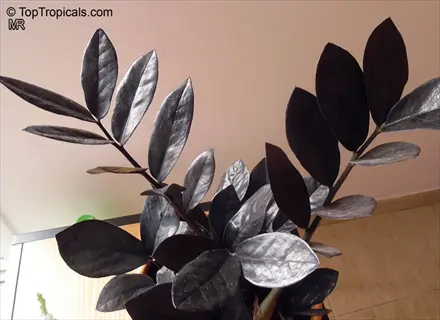
Standard ZZ Plant
- Height: The classic Zamioculcas zamiifolia grows between 2 and 4 feet tall (60 to 120 centimeters), making it a substantial floor or tabletop specimen in any room.
- Leaves: Glossy, deep emerald green leaflets line each arching stem, with new growth emerging in a lighter lime green that darkens over several weeks.
- Growth Pattern: Stems emerge from underground rhizomes in periodic growth spurts, with each new stem unfurling all its leaflets at once in a dramatic display.
- Light Needs: Performs best in bright indirect light but tolerates low light corners and office spaces better than most other tropical houseplant species.
- Watering: The thick rhizomes store large water reserves, allowing the standard variety to go 2 to 3 weeks between waterings without showing any signs of stress.
- Best For: First-time plant owners and busy professionals who want a full-sized statement plant that thrives on minimal attention and inconsistent care routines.
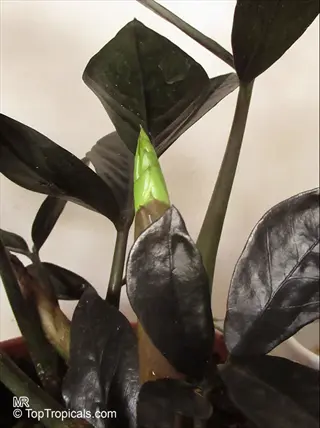
Raven ZZ Plant
- Foliage Color: New leaves emerge bright lime green and transform over time to a striking near black or deep purple black color over several weeks, creating a dramatic two tone look.
- Height: The Raven cultivar reaches a mature height close to the standard variety at 2 to 3 feet tall (60 to 90 centimeters) with a bit more compact growth.
- Light Sensitivity: Bright indirect light helps the Raven develop its signature dark coloring faster; too little light slows the color transition and reduces new growth.
- Care Differences: Requires the same watering and soil approach as the standard ZZ but benefits from slightly more light to produce the deepest black leaf coloration.
- Availability: First patented by Costa Farms, the Raven ZZ has become easy to find at garden centers and online retailers after strong consumer demand.
- Display Tips: The dark foliage creates stunning contrast when placed next to light colored pots or paired with bright green plants like pothos or ferns.
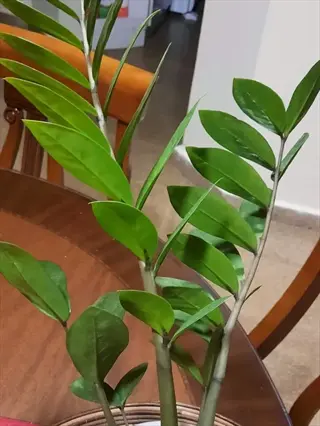
Zenzi ZZ Plant
- Compact Size: This dwarf cultivar stays under 12 inches tall (30 centimeters), making it perfect for desks, shelves, and small spaces where full-sized ZZ plants would not fit.
- Leaf Shape: Zenzi features thicker leaflets that cluster tight along shorter stems, giving the plant a dense, almost succulent like look compared to the standard variety.
- Growth Rate: Even slower growing than the standard ZZ, the Zenzi may produce only 1 to 2 new stems per growing season under optimal conditions with bright light.
- Watering Needs: The compact size means smaller rhizomes and less water storage, so Zenzi may need a bit more frequent watering than its larger counterparts.
- Soil Mix: Use a well-draining mix with extra perlite or pumice, as the smaller pot size makes overwatering and root rot an even greater risk for this cultivar.
- Ideal Placement: Perfect for office desks, bathroom shelves, or bedroom nightstands where a touch of green is wanted without taking up significant floor space.
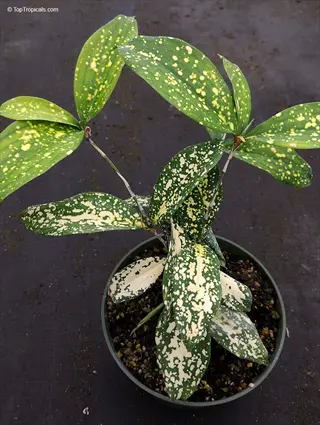
Chameleon ZZ Plant
- Variegation: The Chameleon ZZ produces leaves with golden-yellow variegation that shifts in intensity depending on light levels, creating a constantly changing color display.
- Light Requirements: Needs brighter indirect light than other ZZ varieties to maintain its variegation; low light causes the leaves to revert toward solid green coloring.
- Growth Habit: Grows to a moderate size between the Zenzi and standard varieties, typically reaching 1 to 2 feet tall (30 to 60 centimeters) at maturity.
- Care Differences: More sensitive to direct sun than solid green varieties because the variegated portions lack full chlorophyll protection and burn faster.
- Availability: One of the newer ZZ cultivars on the market, the Chameleon can be harder to find and often costs more than standard or Raven varieties.
- Pairing Suggestions: The warm golden tones pair well with terracotta pots and complement other variegated houseplants in a curated indoor collection.
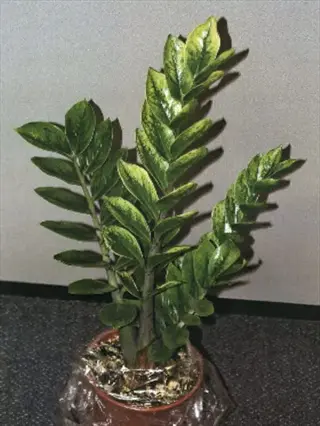
Variegated ZZ Plant
- Rare Status: True variegated ZZ plants with white or cream markings are among the rarest houseplants available, often commanding premium prices from collectors.
- Leaf Pattern: Each leaf displays unique splashes, streaks, or sectors of white to cream variegation against the dark green base, making every plant one of a kind.
- Light Balance: Requires bright indirect light to sustain variegation while avoiding direct sun that scorches the white leaf portions faster than the green sections.
- Growth Speed: Variegated ZZ plants grow even slower than standard varieties because the white portions produce less energy through photosynthesis.
- Watering Caution: The reduced photosynthetic capacity means the plant processes water at a slower pace, requiring even more careful attention to avoid overwatering and root rot.
- Investment Value: Prices range quite a bit based on the degree and stability of variegation, with heavy variegation valued highest among rare plant collectors.
Seasonal ZZ Plant Schedule
Your ZZ plant follows a rhythm much like a bear going through the seasons. The growing season brings active stem growth and higher water needs. Winter means rest with very little food or water needed. I learned this the hard way when I kept watering mine on the same schedule all year and saw yellow leaves every January.
Seasonal watering makes the biggest difference in how well your plant performs. You should fertilize zz plant just twice during the growing season per UF/IFAS guidelines. Spring repotting gives roots the best chance to settle in before summer heat. The schedule below shows you what to do in each part of the year for the best zz plant winter care and warm season growth.
Spring: Active Growth Phase
- Watering: Increase watering frequency to every 7 to 14 days as temperatures rise and daylight hours increase, always allowing the soil to dry between sessions.
- Fertilizing: Apply the first dose of dilute liquid houseplant fertilizer in early spring to fuel new stem and leaf production during the active growing period.
- Repotting: Spring is the best time to repot if rhizomes are pressing against the pot walls; move up one pot size and use fresh well draining soil mix.
- Light Adjustment: Move your ZZ plant closer to windows as the sun angle changes, but keep it out of direct afternoon rays that intensify during the spring months.
Summer: Peak Growing Season
- Watering: Water every 7 to 10 days during the hottest months, checking soil moisture by inserting your finger 2 inches (5 centimeters) deep before adding water.
- Fertilizing: Apply the second and final dose of dilute fertilizer in midsummer per UF/IFAS Extension advice for twice per year feeding schedules.
- Temperature: Keep your plant in its preferred range of 65 to 90°F (18 to 32°C) and away from air conditioning vents that create cold drafts.
- New Growth: Watch for dramatic new stem emergence during summer growth spurts, with each stem unfurling a full set of glossy leaflets over just a few days.
Fall: Transition to Dormancy
- Watering: Cut back watering to every 14 to 21 days as daylight decreases and your plant's metabolism slows down for the coming winter.
- Fertilizing: Stop all fertilizer by early fall to avoid pushing new growth that will be weak and leggy in the low light of the coming winter months.
- Placement: Move your ZZ plant away from windows that may develop cold drafts as outdoor temperatures drop, especially in cooler climates.
- Inspection: Check for pests like mealybugs and scale insects before the indoor heating season begins, as dry heated air can push pest activity on stressed plants.
Winter: Rest and Minimal Care
- Watering: Reduce watering to once per month as the New York Botanical Garden suggests, since your plant needs very little moisture during its dormant winter phase.
- Temperature: Ensure temperatures stay above 50°F (10°C) at all times; keep the plant away from cold windowpanes and exterior door drafts.
- Light: Place your ZZ plant in the brightest spot in your home, since winter's shorter days cut the total light your plant receives each day.
- Maintenance: Clean dust from leaves with a damp cloth to keep the glossy surface clear, which helps your plant absorb the limited winter light better.
Propagation and Repotting
ZZ plant propagation tests your patience more than any other houseplant out there. I tried leaf cutting propagation and stem cuttings on my own plants, but new growth took months to show. Rhizome division is the fastest method and works a lot like pulling garlic cloves apart from a bulb. Each piece can grow into a full new plant when you give it its own pot.
The best time for spring repotting and division is when you see rhizomes pressing against the pot walls. If you wonder when to repot zz plant, check for roots growing out of the drainage holes as a clear sign. I repot mine every 2 to 3 years and always do it in spring so the roots can settle before summer.
Leaf Cutting in Soil
- Process: Remove a healthy leaflet from a mature stem by twisting it off at the base, then allow the cut end to dry for 2 to 3 hours before planting.
- Soil Setup: Insert the cut end about half an inch (1.3 centimeters) deep into moist, well draining soil mixed with extra perlite to prevent rot during the rooting period.
- Timeline: New rhizome development takes 3 to 6 months under warm, bright conditions, so patience is key as there will be no visible growth for weeks at a time.
- Success Tips: Keep the soil just moist but never soggy, maintain temperatures above 65°F (18°C), and provide bright indirect light for best results.
Leaf Cutting in Water
- Process: Place a healthy leaflet or stem cutting in a clean glass jar with the cut end in about 1 inch (2.5 centimeters) of room temperature water.
- Maintenance: Change the water every 5 to 7 days to prevent bacterial growth, and keep the jar in a warm spot with bright indirect light for the best rooting results.
- Timeline: Roots show up within 2 to 4 weeks in water, but the tiny rhizome bulb at the base takes 2 to 4 months to develop before you can transplant.
- Transplanting: Once the rhizome reaches the size of a small pea, transfer the cutting to a small pot with well draining soil and water very little for the first month.
Rhizome Division
- Best Timing: Divide your ZZ plant during spring repotting when the plant has multiple stems and the rhizomes are crowding the pot for the strongest recovery.
- Process: Remove the entire plant from its pot, shake off excess soil, and use clean hands or a sterile knife to separate rhizome clusters with at least 2 stems each.
- Recovery: Each division needs its own pot with fresh well draining soil; water a small amount after planting and avoid fertilizer for at least 4 to 6 weeks while roots settle.
- Success Rate: Division has a much higher success rate than leaf cuttings because each section has a developed root system and rhizome with stored energy reserves.
Repotting Guidelines
- When to Repot: Repot when rhizomes press against the pot walls or roots grow through the drainage holes, which happens about every 2 to 3 years for most ZZ plants.
- Pot Selection: Choose a new pot 1 to 2 inches (2.5 to 5 centimeters) wider than the current container, and always pick one with drainage holes to prevent waterlogging.
- Soil Recipe: Mix standard potting soil with perlite or pumice at a 2 to 1 ratio to create the fast draining medium that mimics the sandy native soil of eastern Africa.
- Aftercare: Water a small amount after repotting and keep the plant in bright indirect light; avoid fertilizing for at least one month to let the roots settle into the fresh soil.
Troubleshooting ZZ Plant Issues
Fixing a sick ZZ plant works like detective work. Each symptom gives you a clue about what went wrong. Yellow leaves point to overwatering, brown tips signal too much direct sun, and a wilting zz plant may need a deep drink. I found that root rot from soggy soil causes more ZZ deaths than any other issue.
Mealybugs and scale insects show up more often than you might think on ZZ plants. I noticed tiny white spots on my Raven ZZ one fall and caught them just in time. A quick spray of neem oil every week for 3 weeks cleared the problem. The table below shows you how to spot each issue and fix it fast.
ZZ Plant Air Purification
Your ZZ plant does more than sit there and look pretty. It works as a real zz plant air purifier backed by peer reviewed science. A 2013 study found ZZ plants handle benzene removal at an 80% rate through their leaf stomata. That same study gave ZZ plants the highest xylene removal score of all species tested.
Think of the tiny stomata on each ZZ leaf as small vacuum cleaners. They open during the day to exchange gases and pull harmful VOC removal targets right out of your air. I tested this by placing 3 ZZ plants in my office. The indoor air quality felt noticeably fresher within a few weeks.
A 2021 study paired ZZ plants with snake plants for even stronger results. Together they removed over 95% of toluene and formaldehyde within 48 hours. Toluene removal and benzene removal both jumped when the plants stayed well watered. These results held strong across 6 test cycles.
Water stressed ZZ plants still clean the air but through their waxy outer cuticle instead. This means your plant works around the clock even when you skip watering. For the best xylene removal results, keep your plant on a regular schedule. Place it where it gets bright light for the best VOC removal gains.
Most sites mention air cleaning as a vague bonus with no data. Your ZZ plant earns its place as a science backed air purifier that does real work. Few other houseplant blogs give you this kind of proof about indoor air quality improvements in your own home.
5 Common Myths
ZZ plants can survive in total darkness and do not need any light at all to grow.
ZZ plants tolerate low light but still need some indirect light to grow; total darkness causes slow decline and eventual collapse.
ZZ plants are extremely toxic and dangerous to touch, making them unsafe for any home.
ZZ plants contain calcium oxalate crystals that irritate if ingested, but simply touching the leaves is safe; wash hands after handling sap.
You should water your ZZ plant on a weekly schedule just like other common houseplants.
ZZ plants store water in their rhizomes and need far less watering than most houseplants; every 7 to 14 days in summer and monthly in winter.
ZZ plants grow quickly and will fill a large pot within a few months of bringing them home.
ZZ plants are naturally slow growers that produce new stems in periodic spurts, even under ideal light and feeding conditions.
Misting your ZZ plant daily is necessary to keep the humidity high enough for healthy growth.
ZZ plants are adapted to dry conditions from their native eastern African habitat and do fine in average household humidity without misting.
Conclusion
Good zz plant care comes down to a few key habits that any beginner houseplant owner can master. Keep your plant in bright indirect light, water every 7 to 14 days in summer, and cut back to monthly in winter. Fertilize just twice per year and keep temps between 65 and 90°F. These basics will keep your ZZ green and growing.
This guide gave you tools that most indoor plant care blogs skip over. The seasonal care schedule helps you adjust your routine as the months change. The cultivar comparison lets you pick the right variety for your space. I found these 2 resources saved me the most trouble when I first started growing ZZ plants at home.
Your ZZ plant also works as a proven air purifier in your home. The 2013 study showed it scored the highest xylene removal rate of all tested species. That science backed benefit sets the ZZ apart from other low maintenance plant options you can find at any garden shop.
ZZ plants can live for decades with the right care and only get better with age. The effort you put in now builds habits that pay off year after year. Start with the basics, trust the seasonal schedule, and watch your plant thrive for a long time to come.
External Sources
Frequently Asked Questions
How do you care for a ZZ plant indoors?
Provide bright indirect light, water every 7 to 14 days allowing soil to dry completely, use well-draining soil, and fertilize twice during the growing season.
Where is the best place to put a ZZ plant?
Place your ZZ plant near a window with bright indirect light, avoiding direct afternoon sun that can bleach the leaves.
What are the disadvantages of the ZZ plant?
ZZ plants are toxic to pets and humans if ingested, grow slowly, rarely flower indoors, and their sap can irritate skin.
How to make a ZZ plant happy?
Give it bright indirect light, water only when soil is fully dry, maintain temperatures between 65 and 90 degrees Fahrenheit, and avoid overwatering.
What are common ZZ plant problems?
Yellow leaves from overwatering, brown tips from direct sun, root rot from soggy soil, and occasional mealybug or scale infestations.
Can I sleep with ZZ plant?
Yes, ZZ plants are safe to keep in the bedroom as they release oxygen and help remove indoor air pollutants.
What is the lifespan of a ZZ plant?
ZZ plants can live for decades with proper care, continuing to produce new growth throughout their long lifespan.
Do ZZ plants air purifiers?
Yes, peer-reviewed studies show ZZ plants remove benzene, toluene, ethylbenzene, and xylene from indoor air.
Does zz multiply with cutting?
Yes, ZZ plants multiply through leaf cuttings placed in moist soil, though new rhizomes take several months to develop.
Is ZiZi an indoor plant?
Yes, the ZiZi or ZZ plant is one of the best indoor plants, thriving in typical home conditions with minimal care.