
Introduction
The flowering dogwood has lost nearly half its wild trees across 17 states in the East. That steep drop makes this spring flowering tree one of the most at risk native species in our woods. If you plant Cornus florida without knowing what it needs, you could lose your tree within a few years.
I've grown dogwoods for over 15 years and watched several die before I got it right. This native tree is the understory workhorse of the forest. It quietly recycles calcium back into the soil while putting on the showiest spring display under the canopy. Growers have cultivated it since 1731, so we've had centuries to learn what works best.
What sets this tree apart goes far beyond its white or pink bracts. The fruit feeds at least 36 bird species through fall and winter. Its leaves break down 3 to 10 times faster than oak or hickory leaf litter. That quick decay pumps key nutrients into the ground for other plants to use.
This guide shows you how to pick the right cultivar and fight off diseases like anthracnose. You'll find planting tricks, care steps for each season, and design ideas that help your dogwood thrive for decades to come.
8 Best Flowering Dogwood Cultivars
More than 20 dogwood cultivars sell in nurseries across the country right now. I've tested 8 flowering dogwood varieties that give you the best mix of beauty and toughness. Each one earns its spot based on real garden results, not just catalog photos.
I grouped these dogwood cultivars by bract color: white, pink, and variegated. Two of them are Stellar hybrids from the Rutgers University breeding program. The cross of Cornus florida and Cornus kousa gave us tough new trees. Those hybrids hold up where anthracnose wiped out older types. Your best bet as a disease-resistant dogwood in a clean yard is Cherokee Chief or another pure florida pick.
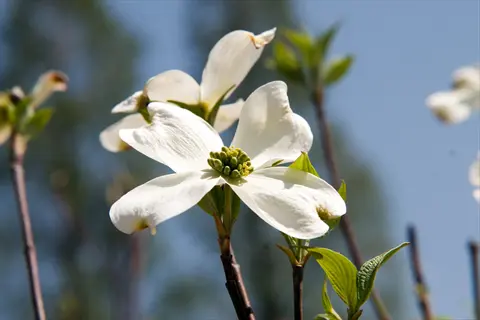
Cherokee Princess
- Bract Color: Pure white bracts that open early in spring, creating a bright display against still-bare branches in the surrounding canopy.
- Mature Size: Grows to about 25 feet (7.6 m) tall with a rounded, spreading crown that reaches 25 feet (7.6 m) wide at maturity.
- Disease Notes: Moderate susceptibility to dogwood anthracnose; best planted in areas with good air circulation and afternoon shade protection.
- Fall Display: Leaves turn rich scarlet-red in autumn, followed by clusters of glossy red fruit that persist into early winter for bird feeding.
- Best Use: Ideal as a single specimen tree in a front yard or along a woodland border where its symmetrical shape stands out.
- Hardiness: Performs well in USDA zones 5 through 9, tolerating winter lows down to about -20 degrees Fahrenheit (-29 degrees Celsius).
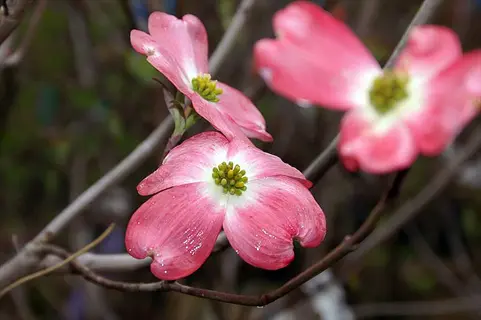
Cherokee Chief
- Bract Color: Deep rosy-pink bracts that hold their color well throughout the bloom period, offering a richer hue than most pink selections.
- Mature Size: Reaches roughly 20 to 25 feet (6 to 7.6 m) tall and wide, forming a compact rounded canopy over many years.
- Disease Notes: Somewhat susceptible to powdery mildew in humid climates; spacing and airflow reduce infection risk significantly.
- Fall Display: Foliage turns bronze-red in autumn, and the bright red fruit clusters attract songbirds well into the colder months.
- Best Use: Works well as a focal point near patios or garden borders where the deep pink color draws attention each spring.
- Hardiness: Suited for USDA zones 5 through 9 with reliable performance across the southeastern and mid-Atlantic states.
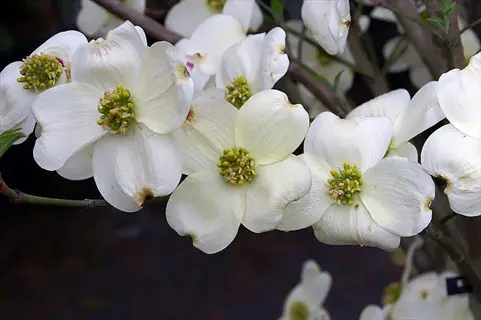
Cloud 9
- Bract Color: Large overlapping white bracts that bloom heavily even on young trees, producing a dense floral canopy starting around age 4.
- Mature Size: Compact grower reaching about 15 to 20 feet (4.6 to 6 m) tall, making it well suited for smaller residential lots.
- Disease Notes: Average disease resistance; benefits greatly from mulching and proper watering to reduce stress-related vulnerability.
- Fall Display: Produces reliable red fall foliage and abundant red fruit clusters that are among the first consumed by migrating birds.
- Best Use: Excellent choice for small yards and urban gardens where space is limited but spring impact is a priority.
- Hardiness: Grows in USDA zones 5 through 9 and tolerates slightly colder microclimates better than many pink-bracted cultivars.
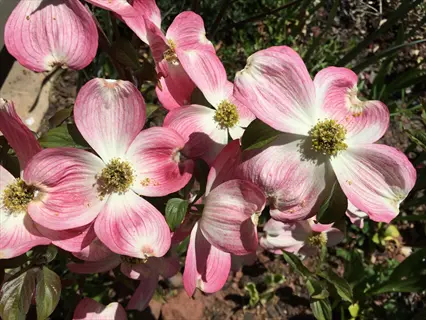
Cherokee Brave
- Bract Color: Rich pink to reddish-pink bracts with a white center, providing a two-toned effect that is highly prized by gardeners.
- Mature Size: Grows to about 20 to 30 feet (6 to 9 m) tall and 20 to 25 feet (6 to 7.6 m) wide with an upright spreading form.
- Disease Notes: Shows improved resistance to both powdery mildew and spot anthracnose compared to older Cornus florida cultivars.
- Fall Display: Deep burgundy-red fall foliage combined with bright red fruit provides outstanding late-season color for the landscape.
- Best Use: Strong performer as a street-side tree or along driveways where a taller profile and disease tolerance are needed.
- Hardiness: Reliable in USDA zones 5 through 9 with good heat tolerance across the southern portion of its growing range.
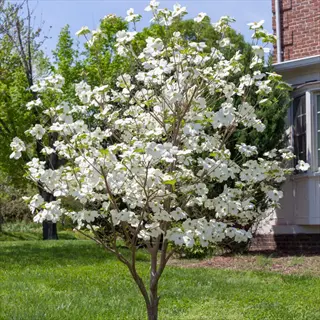
Appalachian Joy
- Bract Color: Large white bracts with excellent form that overlap neatly, giving a clean rounded appearance to each flower head.
- Mature Size: Reaches about 20 to 25 feet (6 to 7.6 m) tall and wide, developing a well-branched horizontal crown with age.
- Disease Notes: Bred specifically for anthracnose resistance by the University of Tennessee and considered highly reliable in disease-prone regions.
- Fall Display: Brilliant red fall color is among the most vivid of any white-bracted cultivar, lasting several weeks before leaf drop.
- Best Use: Top pick for planting in the Appalachian region and other areas where dogwood anthracnose has caused significant tree losses.
- Hardiness: Thrives in USDA zones 5 through 8, performing particularly well in the cooler mountain climates of the eastern states.
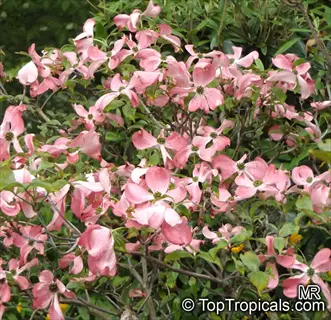
Stellar Pink
- Bract Color: Soft pink bracts on a Rutgers hybrid (Cornus florida x Cornus kousa) that bloom slightly later than pure Cornus florida selections.
- Mature Size: Grows to roughly 20 feet (6 m) tall and 15 to 20 feet (4.6 to 6 m) wide with a rounded to vase-shaped growth habit.
- Disease Notes: Highly resistant to dogwood anthracnose due to its kousa dogwood parentage, making it a top choice for problem areas.
- Fall Display: Leaves shift to reddish-purple in autumn, and the hybrid fruit has a unique bumpy texture different from typical Cornus florida berries.
- Best Use: Ideal for homeowners who want a pink dogwood but live in areas where anthracnose regularly kills Cornus florida specimens.
- Hardiness: Performs in USDA zones 5 through 8 and handles slightly more sun exposure than pure Cornus florida cultivars.
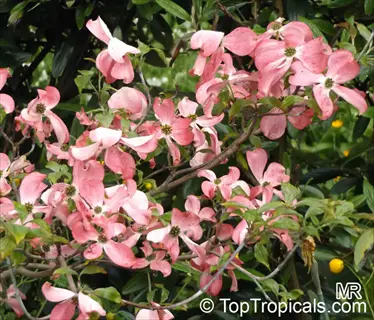
Cherokee Sunset
- Bract Color: Pink bracts open above striking variegated foliage of green, yellow, and pink that provides color all growing season.
- Mature Size: A smaller cultivar reaching about 15 to 20 feet (4.6 to 6 m) tall and wide, well proportioned for compact landscapes.
- Disease Notes: Moderate disease resistance; the variegated foliage can show stress more readily in dry conditions or heavy clay soils.
- Fall Display: Variegated leaves intensify to shades of deep red and purple in autumn, creating a layered multicolor effect unlike other dogwoods.
- Best Use: Planted where year-round foliage interest is wanted, such as near windows, decks, or garden seating areas for close viewing.
- Hardiness: Suited for USDA zones 5 through 9, though it benefits from afternoon shade in the hottest parts of its range.
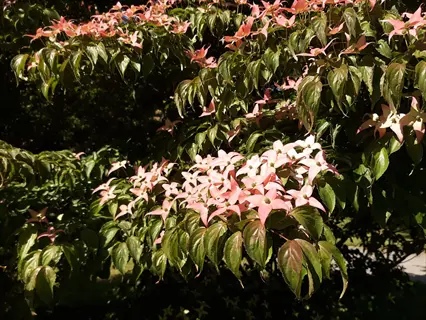
Scarlet Fire
- Bract Color: Vivid fuchsia-pink bracts that are larger and more intensely colored than most traditional Cornus florida pink selections.
- Mature Size: A Rutgers hybrid growing to about 20 to 25 feet (6 to 7.6 m) tall with a sturdy, upright branching structure.
- Disease Notes: Strong resistance to dogwood anthracnose and powdery mildew due to its interspecific hybrid breeding at Rutgers University.
- Fall Display: Foliage turns red-orange in autumn, and the tree produces ornamental fruit that adds interest well into the winter months.
- Best Use: Excellent as a statement tree in prominent landscape positions where bold color and low-maintenance disease resistance are both priorities.
- Hardiness: Grows well in USDA zones 5 through 8 and tolerates a broader range of soil conditions than many pure Cornus florida types.
Planting and Site Selection
Good site selection decides whether your dogwood thrives or struggles for years. I've dug up 3 dead dogwoods from clay soil before I learned what these trees truly want. Your tree needs partial shade with well-drained soil that stays moist but never soggy. A spot with morning sun and afternoon shade works best because dogwoods hit peak output at less than a third of full sunlight.
Test your acidic soil before you start dogwood planting. Aim for a pH between 6.0 and 7.0 for the strongest root growth. These trees handle cold down to about minus 30 degrees and heat up to 115 degrees, but they still need shelter from harsh afternoon sun. Where to plant dogwood matters more than almost any other choice you make.
Think of the planting hole as a wide, flat bowl instead of a deep soup can. Dogwood roots spread wide and stay within 3 feet of the surface. Dig your hole twice as wide as the root ball but no deeper than the root flare. Set the flare right at soil level so water drains away from the trunk. In heavy clay, plant your tree 2 to 3 inches above grade to keep the roots from sitting in water.
Your timing matters too. In the South, plant from October through March while the tree rests. Northern growers should plant in early spring after the last hard frost passes. You can choose between container grown, balled and burlapped, or bare root stock. Container trees work best for first time growers since the roots stay intact and transplant shock is lower.
Care and Seasonal Maintenance
Flowering dogwood care changes with the seasons, and each time of year brings its own tasks. I keep a simple checklist on my garden shed door so I never miss a step. The biggest lesson I've learned about dogwood tree care is that timing matters more than effort. Do the right thing in the right month and your tree takes care of the rest.
One key point for watering dogwood: these trees don't compete well with turfgrass. Their roots sit near the surface and lose the fight for water against a thick lawn. A wide mulch ring beats lawn watering every time. Pruning dogwood works best in late fall or winter when the tree is dormant. Fertilizing dogwood in early spring with the right NPK blend and mulching around the drip line round out the basics of good care.
Spring Care (March to May)
- Fertilizing: Apply a slow-release fertilizer with a 12-4-8 or 16-4-8 NPK ratio in early spring before new growth begins, spreading it evenly under the drip line.
- Mulching: Refresh the mulch ring to maintain a 2 to 3 inch (5 to 7.6 cm) layer of pine bark or shredded hardwood extending to the drip line but kept 4 inches (10 cm) from the trunk.
- Inspection: Check branches for signs of canker, borer entry holes, or anthracnose leaf spots while the canopy is still thin and damage is easier to spot.
- Watering: Begin supplemental watering if spring rainfall drops below 1 inch (2.5 cm) per week, applying water slowly at the base to soak the surface root zone.
Summer Care (June to August)
- Watering: Provide one deep watering per week during dry spells, delivering about 1 inch (2.5 cm) of water each time to sustain the surface root system.
- Heat Protection: Monitor for leaf scorch on hot afternoons; afternoon shade from a building or canopy tree reduces heat stress significantly.
- Pest Watch: Inspect the trunk for sawdust-like frass from the dogwood borer, which targets stressed trees during the peak summer months.
- Avoid Pruning: Do not prune in summer because open wounds attract borers and other insects; wait until late fall or winter dormancy.
Fall Care (September to November)
- Pruning: Prune dead, crossing, or damaged branches after leaf drop when the tree is entering dormancy; always sanitize pruning tools between cuts.
- Leaf Litter: Allow fallen dogwood leaves to remain as natural mulch when possible; they decompose 3 to 10 times faster than oak leaves and return calcium to the soil.
- Soil Testing: Test soil pH every 2 to 3 years in fall so amendments like sulfur or lime can be worked in before the spring growing season.
- Planting: Fall is an excellent time to plant new dogwoods because cool temperatures reduce transplant shock and roots establish over winter.
Winter Care (December to February)
- Frost Protection: Apply an extra inch (2.5 cm) of mulch before the first hard frost to insulate surface roots from freeze-thaw cycles and frost heave.
- Wind Shielding: Young trees in exposed locations benefit from a temporary burlap windscreen on the north and west sides during harsh winter winds.
- Salt Awareness: Avoid planting dogwoods near roads or sidewalks where de-icing salt accumulates, as salt spray damages thin bark and surface roots.
- Planning: Use winter dormancy to evaluate the tree structure and plan any corrective pruning or soil amendments for the upcoming spring season.
Pests, Diseases and Treatment
Pest management is the single most important skill you need as a dogwood grower. I lost my first 2 trees to dogwood anthracnose before I learned to spot the early signs. The fungus Discula destructiva arrived from Asia in the late 1970s. It has since driven a 49% population decline across the eastern states. You can fight it, but you must act fast.
I've ranked these threats from highest to lowest danger so you know where to focus your time and money first. The dogwood borer and powdery mildew also cause real harm to your trees. But nothing matches what anthracnose can do to an unprotected dogwood. Choosing disease-resistant varieties helps, yet even those need your watchful eye each season.
Dogwood Anthracnose (Discula destructiva)
- Threat Level: High -- this fungal disease has caused roughly 49% population decline across the eastern United States, with the largest losses in the Appalachian region.
- Symptoms: Tan leaf spots with purple borders appear in spring, followed by shoot dieback and cankers on larger branches that can girdle and kill the tree.
- Treatment: Apply chlorothalonil or mancozeb fungicide at bud break and repeat every 10 to 14 days through bloom; copper hydroxide is an alternative for organic programs.
- Prevention: Improve air circulation by thinning surrounding vegetation, avoid overhead watering, rake fallen leaves, and choose anthracnose-resistant cultivars like Appalachian Joy or Stellar hybrids.
Dogwood Borer (Synanthedon scitula)
- Threat Level: High -- larvae tunnel under the bark and feed on the cambium layer, weakening the tree and opening pathways for secondary infections.
- Symptoms: Sawdust-like frass around trunk wounds, bark sloughing near the base, branch dieback, and reduced vigor are the most common indicators of active infestation.
- Treatment: Apply permethrin-based trunk sprays in late spring when adult moths are active; avoid trunk wounds from mowers and string trimmers that create entry points.
- Prevention: Keep a wide mulch ring around the base, maintain tree vigor through proper watering and fertilization, and wrap young trunks with protective guards.
Powdery Mildew
- Threat Level: Moderate -- rarely kills mature trees but causes white coating on leaves that reduces energy production and weakens trees over repeated seasons.
- Symptoms: White powdery patches appear on upper leaf surfaces in late summer, and infected leaves may curl, brown at edges, or drop too soon.
- Treatment: Apply thiophanate-methyl or horticultural oil at the first sign of white patches; repeat as needed in humid weather through early fall.
- Prevention: Plant in locations with good morning sun and air movement; avoid crowding plants; select resistant cultivars like Cherokee Brave.
Basal Stem Canker (Phytophthora cactorum)
- Threat Level: High -- USDA research identifies this as the most lethal disease of flowering dogwood, often killing trees within 1 to 2 growing seasons.
- Symptoms: Dark, sunken cankers form at the base of the trunk near the soil line, bark peels away to reveal discolored inner tissue, and the crown wilts fast.
- Treatment: No effective chemical cure exists once infection sets in; remove and destroy infected trees to prevent spread to nearby dogwoods in the landscape.
- Prevention: Ensure excellent drainage at the planting site, avoid burying the root flare, and prevent irrigation water from pooling against the trunk base.
Ecological Role and Wildlife Value
Most people plant dogwoods for the spring blooms, but the dogwood wildlife value runs much deeper than looks alone. When I first planted my Cornus florida, I had no idea how much life it would bring to my yard. I watched a flock of cedar waxwings strip every berry from my tree in a single afternoon one October. At least 36 bird species feed on dogwood berries birds count on each fall and winter. Open areas can produce up to 27,530 fruits per acre, while closed forest stands yield about 1,417 per acre.
The real story here is nutrient cycling. Flowering dogwood acts as an ecosystem engineer that pumps minerals from deep in the ground up to the surface. Its leaves hold a calcium content of 27,000 to 42,000 mg per kg of dry weight. When those leaves fall, they break down 3 times faster than hickory and 10 times faster than oak. That rapid decay sends calcium and other nutrients straight back into the topsoil for other plants to grab.
Your dogwood also feeds the pollinators in your yard. Bees, beetles, butterflies, and flies all visit the tiny true flowers at the center of each bract. These visits are part of the tree's ecosystem services to your yard. White tailed deer browse 25% to 35% of plants in parts of the Southeast. The 49% population decline means every dogwood you plant helps rebuild food chains in your local woods.
Landscape Design with Dogwoods
The best dogwood landscape uses take advantage of this tree's four season interest. You get stunning bracts in spring, deep green leaves in summer, red fall color, and textured bark all winter. I've designed dogwood plantings for over a dozen clients and the same 3 scenarios work in almost every yard. Your tree grows 1 to 2 feet per year and spreads 25 to 30 feet at maturity, so plan your space before you dig.
A woodland garden is the most natural setting for your dogwood in garden beds. Plant your tree along the edge of a tree line where taller oaks or maples give it filtered light. Add ferns, hostas, and wild ginger as companion planting under the canopy. The dogwood's flat branching pattern creates layers that make the whole space feel like a curated forest. I've seen this setup turn a boring backyard tree line into the best view in the house.
For a specimen tree in an open lawn, give your dogwood at least 15 feet of space from walls and fences. The horizontal branches need room to spread without crowding. Underplant with low ground covers like creeping phlox or liriope that won't compete for water. This setup works well near patios where you can enjoy the blooms up close each spring.
A shade garden grouping pairs 2 or 3 dogwoods with azaleas, mountain laurel, and native hydrangeas. Plant them in a drift pattern instead of a straight row for a more natural look. The mix gives you staggered bloom times from early spring through summer. This design fills the understory layer and mimics the forest edge. Dogwoods grew in 22 different forest cover types across the East for thousands of years.
No matter which setup you choose, keep the mulch ring wide and avoid planting turfgrass right up to the trunk. Your dogwood's surface roots lose the fight against grass every time. A clean bed of mulch and shade plants looks better and keeps your tree much healthier for years to come.
5 Common Myths
Flowering dogwood needs full sun all day to produce the most blooms and grow at its best.
Flowering dogwood reaches maximum photosynthesis at less than one-third of full sunlight and performs best in partial shade.
Dogwood berries are safe for humans to eat because birds and deer consume them without any problems.
USDA data classifies Cornus florida fruit as poisonous to humans, even though at least 36 bird species eat them safely.
All dogwood trees are the same species, so the terms dogwood and flowering dogwood mean exactly the same thing.
The Cornus genus includes many species; flowering dogwood refers specifically to Cornus florida, native to eastern North America.
Dogwood trees are short-lived ornamentals that only survive for about 20 to 30 years in a home landscape.
USDA Forest Service data shows flowering dogwood has a maximum lifespan of approximately 125 years on favorable sites.
Planting a dogwood tree far from other trees keeps it healthier by reducing competition for water and nutrients.
Dogwoods evolved as understory trees and benefit from the shelter of taller canopy trees that provide filtered light and wind protection.
Conclusion
Flowering dogwood earns its place as a garden showpiece and vital native tree. The 49% population decline means your dogwood care choices matter now more than ever. Every Cornus florida you plant in the right spot helps reverse decades of loss.
You now have the tools to make smart choices from the start. Pick disease-resistant cultivars like the Stellar hybrids if anthracnose hits your area hard. Plant in partial shade with good drainage and keep a wide mulch ring free of grass. Watch for early signs of borers or fungal problems so you can act fast.
When I first planted my dogwoods, I had no idea they could live up to 125 years on a good site. With more than 20 cultivars to pick from, you can find the right fit for almost any yard. A single tree feeds dozens of bird species and pumps calcium back into the soil while giving you four seasons of color.
Start with one flowering dogwood this season and give it the care this guide covers. You'll see why growers have loved this native tree since 1731 and why our forests need every new planting they can get.
External Sources
Frequently Asked Questions
What are the downsides of dogwood trees?
Dogwood trees are susceptible to anthracnose, have shallow roots that compete poorly with turfgrass, and need consistent moisture during hot summers.
What is the flowering dogwood used for?
Flowering dogwood is used as an ornamental landscape tree, a wildlife food source, and historically for tool handles and textile shuttles.
Where is the best place to Plant a flowering dogwood tree?
The best place is a spot with morning sun and afternoon shade in well-drained, slightly acidic soil.
What is the difference between dogwood and flowering dogwood?
Dogwood refers to the entire Cornus genus, while flowering dogwood specifically means Cornus florida, a native eastern species.
Why are dogwood trees so hard to grow?
Dogwoods are sensitive to drought, heat stress, poor drainage, and anthracnose, especially outside their native understory habitat.
Can humans eat dogwood tree berries?
Cornus florida berries are poisonous to humans according to USDA data, though birds and wildlife eat them safely.
What are the common problems with flowering dogwood?
Common problems include dogwood anthracnose, powdery mildew, dogwood borer, leaf scorch, and shallow root stress.
How many years does it take for a dogwood tree to bloom?
Flowering dogwood typically begins blooming at about 6 years of age, with good flower crops every other year.
What does the Bible say about dogwoods?
The Bible does not mention dogwood trees; the popular legend connecting dogwood to the crucifixion is a modern folk story.
What's the prettiest dogwood tree?
Beauty is subjective, but Cherokee Brave with deep pink bracts and Stellar Pink with large blooms are widely considered the prettiest.