
USDA data shows the typical years for dogwood tree to bloom is about 6 years from sprouting. If you buy a grafted nursery tree that's a few years old, you may see your first flowers within 2 to 3 seasons of planting. Seed-grown trees take longer because they start the clock from zero.
I planted a grafted dogwood in my side yard and spent three springs staring at bare branches. The mature dogwoods across the street bloomed every April while mine sat there doing nothing. In my experience, the fourth spring brought a handful of bracts on one low branch. By year five, I counted dozens of blooms across the canopy. By year six, it looked like a real flowering dogwood at last. Each year after that first bloom got better.
Your tree's biology explains the wait. Fast height growth fills the first 20 to 30 years of life. Then the tree shifts energy toward making flowers and seeds. Young trees put their resources into roots and canopy first. Once your tree flips that switch, good seed crops come every other year. One study found that 71% of observed dogwoods bore fruit in a single year. That shows how productive your tree becomes once it hits maturity.
Your cultivar choice affects how soon you see flowers. Cloud 9 blooms on young trees as early as age 4, making it one of the fastest picks for you. Cherokee Brave and Cherokee Princess also bloom younger than most seedling trees. Grafted nursery stock flowers sooner for you because the graft comes from a mature parent plant. That parent passes along its bloom-ready traits.
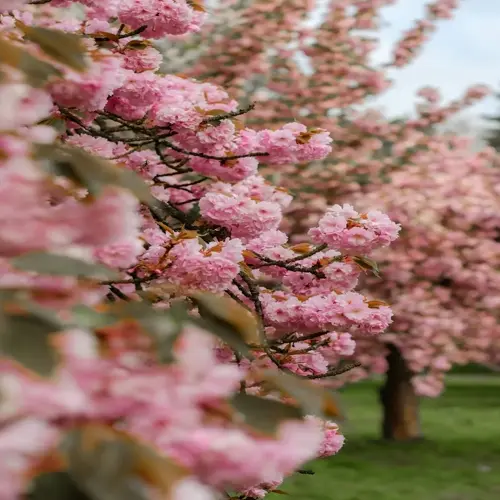
Dogwood tree bloom time shifts by region in a wave from south to north. Trees in the Deep South open bracts in mid-March. The same species in New England may not flower until late May. Warming soil and longer daylight hours trigger the show. A late frost after your buds swell can damage that year's bloom, which is why trees in frost-prone valleys sometimes skip a year.
When do dogwood trees flower in your specific zone? That depends on your USDA hardiness zone and local conditions. Trees on south-facing slopes bloom earlier than those on north-facing slopes just a few hundred feet away. Urban trees often bloom a week ahead of rural ones because pavement traps heat. Watch the mature dogwoods near you to set your timing expectations.
Your planting conditions also affect when do dogwood trees flower for the first time. A tree in deep shade may take an extra year or two to bloom because it doesn't get enough light energy. One in full sun might bloom on time but look stressed doing it. The sweet spot for you is morning sun with afternoon shade in well-drained soil at a pH between 6 and 7. Get those basics right and your tree won't waste a single season.
You can also help your young tree bloom sooner by avoiding stress in its first few years. Keep a 3 to 4 inch mulch ring around the base to hold moisture. Water through dry spells in July and August. Don't fertilize heavy in the first year since you want root growth, not leaf growth. A healthy young tree puts its energy toward blooming faster than a stressed one does.
Buy a grafted nursery tree in a 5 to 7 gallon container for the fastest path to blooms. Give it the right light and soil from the start so nothing delays that first flowering year. Be patient once you plant it. Your first few blooms may seem sparse, but density builds fast. By year three or four of blooming, your dogwood will put on a full spring display that makes the wait worth it.
Read the full article: Flowering Dogwood: Complete Guide