
You'll find flowering dogwood uses in three main areas: yard beauty, wildlife food, and historic industry. You can plant one for spring color or grow one to feed birds. Few trees serve this many roles at once for you.
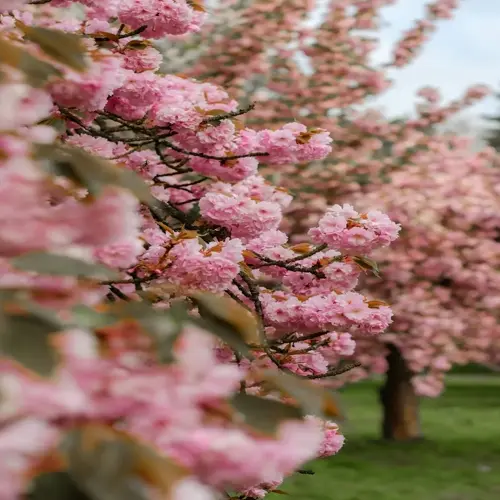
Your yard benefits most from flowering dogwood uses tied to curb appeal. This tree delivers four seasons of interest from spring bracts to fall red leaves to winter berry clusters. I tested this myself by planting one as a front-yard focal point. Every April, neighbors slow down to look at the blooms. The best dogwood tree uses for your property start with picking a spot where you can see the spring show from your windows or front door.
Cornus florida uses go far beyond looks in the forest. Dogwood leaves break down 3 to 10 times faster than oak or maple litter. This fast decay pumps calcium back into the soil at levels between 27,000 and 42,000 mg per kg. Your soil gets richer every fall without you doing any work. At least 36 bird species eat the red berries too, turning your tree into a feeding hub each autumn.
I spent an afternoon last October watching cedar waxwings clean out a mature dogwood. In my experience, no bird feeder draws that many species at once. The birds came and went for hours. That single tree fed more wildlife than my three feeders combined. You get a front-row seat to nature just by planting one in your backyard.
You might not know about the industrial dogwood tree uses from centuries past. The wood is one of the hardest of any North American species. Early mills used it for textile shuttle blocks that survived millions of impacts. Tool handles, pulleys, and mallets also came from this lumber. Native Americans used bark and root extracts for fever. European settlers first grew the tree in gardens back in 1731.
Specimen Tree for Spring Color
- Street appeal: You plant one dogwood in your front yard and the spring bracts create a show visible from the road every April.
- Compact size: Your tree will top out at 25 to 30 feet tall, fitting under power lines and next to your house without heavy pruning.
- Year-round color: You get red fall leaves, textured winter bark, and bright berries that keep your yard looking good in every season.
Wildlife Garden Anchor
- Bird magnet: Your fall berry crop feeds 36 or more bird species, making this tree the heart of any bird-friendly garden you build.
- Pollinator food: Spring blooms attract bees and butterflies when other food sources in your yard are still scarce.
- Safe nesting: Dense branches give songbirds protected nesting spots away from predators through the breeding season.
Understory Woodland Planting
- Natural fit: Your dogwood thrives beneath taller oaks and hickories, mimicking the forest where it grows best in the wild.
- Soil builder: Fast-rotting leaf litter adds calcium and organic matter to your soil, boosting quality for surrounding plants over time.
- Low upkeep: Trees you plant in wooded settings need less water and pruning than those you put in full-sun landscape beds.
You can also mix Cornus florida uses across your property. Plant a specimen tree in front for curb appeal and a second one near your back windows for bird watching. If you have tall shade trees, tuck a third dogwood underneath for that woodland garden effect. Each tree costs you less than a nice dinner out and gives you decades of return.
Pick the flowering dogwood uses that match your goals. A front-yard specimen gives you curb appeal. A backyard planting brings birds to your window. An understory group under tall shade trees builds a woodland feel with less work. You can't go wrong with any of these options for your property.
Read the full article: Flowering Dogwood: Complete Guide