
Introduction
Jade plant care gets easier once you understand what this tough little succulent houseplant actually needs to thrive. I bought my first Crassula ovata at a farmers market about 8 years ago. That same plant still sits on my kitchen windowsill today. Most people overthink jade plant care when the truth is these plants want very little attention from you.
Think of your jade plant as a tiny tree that stores its own water supply in plump, glossy leaves. With proper care, a jade plant can live up to 100 years and grow to 6 feet tall. That little $5 plant you grabbed on impulse could outlive your car, your house, and maybe even you.
This guide covers everything you need for growing jade plants that stay green and healthy for decades. You'll learn the right light, water, and soil setup plus how to handle pests and even get your jade to bloom. I also cover pet toxicity warnings that most other guides skip, which matters if you have cats or dogs at home.
Over 300 cultivars of this succulent houseplant exist around the world, so you have plenty of options to pick from. Let's start with the basics that keep every jade plant happy and strong.
Jade Plant Light and Placement
Your jade plant light requirements come down to one simple rule: give it 4 to 6 hours of bright light every day. A south-facing window is like a VIP seat for your jade. A north-facing window is like sitting in the back row where nothing good happens. I moved one of my jades from an east window to a south-facing window spot and it went from leggy to compact in about 3 months.
Jade plant sunlight exposure also changes leaf color in ways most growers don't expect. When your jade gets plenty of bright light jade plant leaves develop red edges along the tips. This isn't damage or a sign of trouble. It's called sun stress and it means your plant is getting good light. If your jade stretches toward the window with long gaps between leaves, it needs more jade plant indirect light or direct sun.
Grow lights work well if your home doesn't have a good bright light jade plant window. Penn State Extension recommends running full spectrum lights for 12 hours and then turning them off because jade plants need darkness each day. Red and blue spectrum lights give the best results for keeping your jade compact.
Rotate your jade plant a quarter turn each week so all sides get even light. Without rotation, one side grows faster and your plant starts leaning hard toward the light source. This small habit keeps your jade looking balanced and stops it from tipping over as it gets heavier on top.
Watering and Soil Essentials
Jade plant watering trips up more beginners than any other part of care. The soak and dry method works best. Pour water through the pot until it runs out the drainage hole. Then don't water again until the top inch of soil feels bone dry. Watering a jade plant is like filling a camel's hump. Give it a deep drink, then let it use those reserves before the next refill.
During summer, you'll water your jade about every 2 to 3 weeks when the plant grows most. In winter, cut back to once a month or less because the plant enters dormancy and barely uses any water at all. Overwatering jade plant roots is the number one killer I see, and it leads straight to jade plant root rot that can destroy a plant in weeks. If the leaves feel mushy and fall off when you touch them, you've been watering too much.
Water quality matters more than most guides tell you. I switched to filtered water a few years back and noticed my jade's leaves got shinier within weeks. You can also let tap water sit out overnight so the chlorine evaporates before you pour it. Keep your jade where temperatures stay between 60 to 75°F. Feed it with a balanced fertilizer every 2 to 4 months during spring and summer. Stop feeding in winter when the plant rests.
Your soil choice ties right into watering success. A cactus succulent potting mix with extra perlite drains fast enough to prevent soggy roots. I use a simple mix of 2 parts cactus soil to 1 part perlite, and my jade plants have never had a root rot problem. Good well-draining soil paired with the soak and dry method keeps your jade healthy through every season.
Cactus and Succulent Mix
- Best for: Standard jade plant potting that provides fast drainage and prevents waterlogged roots from developing over time.
- Mix ratio: Use a 2 to 1 ratio of cactus potting mix to perlite for extra drainage, as recommended by The Old Farmer's Almanac.
- Why it works: The gritty texture mimics the dry, rocky hillside soil where jade plants grow naturally in South Africa.
Terracotta or Clay Pots
- Best for: Jade plants that tend to get overwatered, since porous clay absorbs excess moisture from the soil.
- Key benefit: Penn State Extension recommends terracotta because it dries faster than glazed or plastic pots.
- Size tip: Choose a pot no more than 2 inches wider than the root ball to prevent excess moisture buildup.
Drainage Hole Requirements
- Essential rule: Every jade plant pot must have at least one drainage hole at the bottom to let excess water escape freely.
- Warning sign: Standing water in a saucer for more than 30 minutes can start the conditions that lead to root rot.
- Alternative: If using a decorative cachepot without drainage, place the jade in a nursery pot inside the outer container.
Repotting Schedule
- Frequency: Repot your jade plant every 2 to 3 years, or sooner if it becomes top-heavy and tips over frequently.
- Best timing: Spring is the ideal season for repotting, when the plant enters its active growing phase.
- Post-repot care: Wait 4 months before applying fertilizer after repotting, according to Penn State Extension recommendations.
6 Popular Jade Plant Varieties
You have 11 named Crassula ovata cultivars to pick from based on NC State Extension data. Choosing a jade cultivar is like picking a dog breed. It's the same species, but each has its own quirks. Some types of jade plants need more light than others. A few grow much smaller than the classic green variety you see at most stores.
These 6 jade plant varieties are the ones you'll find most at garden centers and online shops. I've grown 4 of them and the care differences are real. Gollum jade and Hobbit jade need a bit more attention than standard jade. Your variegated jade demands the brightest spot in your home to keep its colors from fading.
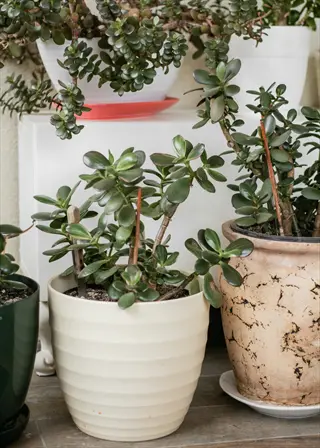
Classic Jade (Crassula ovata)
- Appearance: Glossy, oval leaves that are dark green with occasional red edges when exposed to bright sunlight or cool temperatures.
- Size: Grows up to 6 feet tall and 3 feet wide in ideal conditions, though indoor plants stay smaller.
- Growth habit: Develops a thick, woody trunk over time that gives it a tree-like appearance, making it popular for bonsai styling.
- Care level: The most forgiving variety for beginners, tolerating occasional missed watering and a range of light conditions.
- Origin: Native to the rocky hillsides of the Eastern Cape and KwaZulu-Natal provinces of South Africa.
- Best for: First-time jade plant owners who want a reliable, low-maintenance succulent with classic good looks.
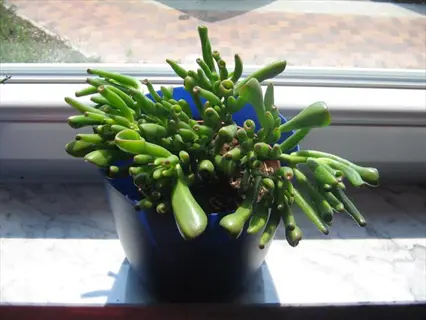
Gollum Jade
- Appearance: Tubular, finger-like leaves with suction cup shaped tips that give this variety a distinctive coral-like look.
- Size: Compact grower that reaches 2 to 3 feet tall, making it well suited for smaller indoor spaces.
- Growth habit: Branches freely to form a dense, shrubby shape that works well as a standalone sculptural houseplant.
- Care level: Requires the same basic care as classic jade but benefits from more light to maintain its unique leaf shape.
- Fun fact: Named after the character from The Lord of the Rings, and the similar Hobbit variety is its close relative.
- Best for: Plant collectors looking for an unusual conversation piece that still has easy jade plant care requirements.
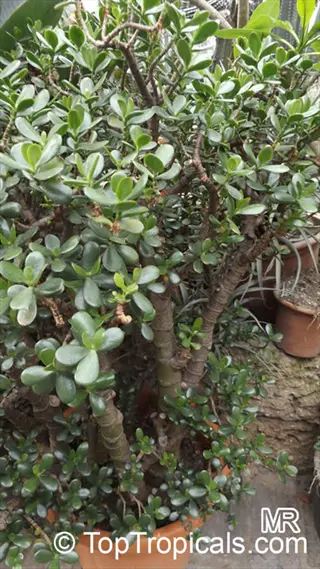
Hobbit Jade
- Appearance: Curled, spoon-shaped leaves that fold inward along the edges, creating a more compact look than Gollum jade.
- Size: Stays small at 1 to 3 feet tall, making it a perfect windowsill or desk plant for tight spaces.
- Growth habit: Dense branching pattern creates a bushy silhouette that responds well to pruning for bonsai shaping.
- Care level: More sensitive to overwatering than classic jade, so allow soil to dry out between waterings.
- Leaf color: Leaves develop a reddish blush at the tips when the plant receives plenty of direct sunlight each day.
- Best for: Bonsai enthusiasts and gardeners who enjoy training small plants into artistic shapes over many years.
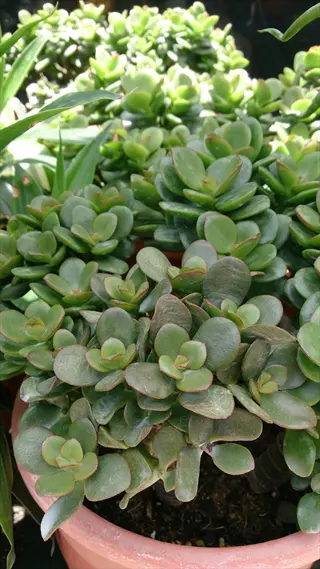
Hummel's Sunset Jade
- Appearance: Striking golden-yellow leaves edged in red that intensify in color during cooler months and with more sun exposure.
- Size: Moderate grower reaching 2 to 4 feet tall with a similar spread under good growing conditions.
- Growth habit: Develops the same tree-like trunk as classic jade but with more colorful foliage that changes with the seasons.
- Care level: Needs brighter light than standard jade to maintain its vivid coloring; low light causes leaves to revert to plain green.
- Award winner: Received the Royal Horticultural Society Award of Garden Merit for its outstanding ornamental qualities.
- Best for: Gardeners who want the easy care of a jade plant with the added visual interest of multicolored foliage.
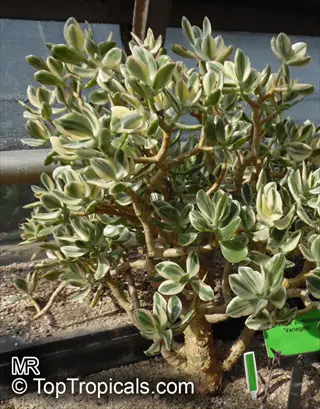
Variegated Jade (Tricolor)
- Appearance: Cream, white, and green striped leaves with pink edges that create a softer, more delicate look than solid green varieties.
- Size: Slower growing than standard jade, reaching 2 to 4 feet tall over many years of patient growing.
- Growth habit: Less vigorous than the classic form due to reduced chlorophyll from the variegation pattern in the leaves.
- Care level: Requires brighter light than all green varieties because the white portions of leaves produce less energy from photosynthesis.
- Sensitivity: More prone to sunburn than other jade types, so avoid sudden exposure to intense direct afternoon sunlight.
- Best for: Experienced jade growers looking for a more challenging variety with unique multicolored foliage patterns.
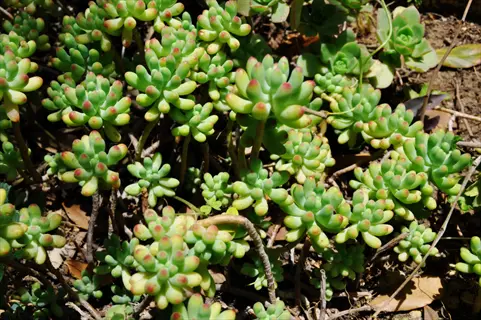
Baby Jade (Portulacaria afra)
- Appearance: Small, round leaves on thin reddish brown stems that are more delicate looking than the thicker classic jade leaves.
- Size: Penn State Extension notes this variety stays under 12 inches tall, perfect for small spaces and terrariums.
- Growth habit: Trailing or cascading form makes it suitable for hanging baskets, unlike the upright growth of most jade varieties.
- Care level: Tolerates more neglect than standard jade and handles warmer temperatures and drier conditions well.
- Important note: This is a different species called Portulacaria afra rather than Crassula ovata, but stores sell it under the jade name.
- Best for: Small space gardeners and those who want a miniature jade look for shelves, desks, or hanging containers.
You can also check out Silver jade and Ripple jade from Penn State Extension's related species list. They offer different looks but follow the same easy care routine. Your Crassula ovata cultivars all share the same basic needs for light, water, and soil. You just need minor tweaks for the variegated types that want more sun.
Propagation and Pruning Tips
Jade plant propagation is one of the most rewarding parts of owning this succulent. You can turn a single plant into dozens of new ones using either a stem cutting or a leaf cutting method. I started with one jade 8 years ago and now have 7 plants around my home, all grown from cuttings off that original mother plant.
Here's how to propagate jade plant using stem cuttings. Snip a 3 to 4 inch branch from a healthy plant using clean, sharp scissors. Set the cutting on a dry paper towel and let the cut end form a callus for 2 to 5 days. Once the end looks dry and sealed, stick it about an inch deep into moist cactus mix. Wait 3 to 4 weeks for roots to form, and don't water until you see new leaf growth at the top.
Leaf cutting jade plant propagation takes longer but feels like magic when it works. Twist a healthy leaf off the stem with a clean snap so the base stays intact. Lay it on top of dry cactus mix and mist it once a week. Tiny roots and a baby plant will sprout from the base in 4 to 8 weeks. This method has a lower success rate than stem cuttings, so start with 5 or 6 leaves to make sure a few take root.
Some growers ask about water propagation for jade plants, but I don't recommend it. Jade stems sitting in water tend to rot before they root because these succulents store so much moisture already. Soil propagation gives you much better results with less risk of losing the cutting.
Jade plant pruning keeps your plant compact and encourages thick, bushy growth. UW-Madison Extension says to prune in spring by cutting stems back to a lateral branch. The cuts heal in just a few days and new growth pops up within weeks. Pinch stem tips about a quarter inch above a leaf pair to force the plant to branch out instead of growing tall and leggy. Penn State Extension recommends this pinching method as the best way to build a full, attractive jade plant shape over time.
Clean your pruning tools with rubbing alcohol before and after each cut to prevent spreading disease between plants. Save those pruned stems for propagation so nothing goes to waste. Every branch you trim can become a brand new jade plant with just a bit of patience.
Pests, Diseases, and Toxicity
Jade plant pests and diseases can sneak up on you if you don't check your plant on a regular basis. Mealybugs are the most common pest you'll deal with, and they show up as white cottony clusters in leaf joints. I've found spider mites on jades kept in rooms with dry air during winter heating season.
UW-Madison Extension warns that standard bug sprays can damage succulent leaves. I use rubbing alcohol on a cotton swab to wipe bugs off my jades. Jade plant root rot from overwatering is the most common disease I see. Bacterial soft rot is the one that scares me most because SDSU Extension confirms there's no cure for it. You must throw out the infected plant before it spreads to others.
One thing that confuses new jade owners is the tiny white or black dots on leaves. I noticed them on my plant and worried it was sick. These are called hydathodes, and Penn State Extension says they're just healthy pores that transfer water. They're not a disease or pest, so don't worry when you spot them.
Here's the safety warning that most jade plant guides skip. A jade plant toxic to cats is a real danger for pet owners. A jade plant toxic to dogs is just as risky based on NC State Extension data. Pets that eat the leaves may vomit and show signs of low energy or poor balance. The sap can also cause mild skin rashes on your hands. Keep your jade on a high shelf or in a room where your pets can't reach it.
Mealybugs
- Identification: Small white cotton-like clusters found in leaf joints and on stems; the most common jade plant pest according to UW-Madison Extension.
- Treatment: Dab individual mealybugs with a cotton swab dipped in rubbing alcohol, or spray with diluted insecticidal soap solution.
- Prevention: Inspect new plants before bringing them near your jade collection, and keep leaves clean by wiping with a damp cloth each month.
Spider Mites
- Identification: Tiny red or brown specks on leaf undersides with fine webbing between stems; more common in dry indoor environments.
- Treatment: Rinse leaves with a strong stream of water to knock off mites, then apply insecticidal soap every 5 to 7 days until clear.
- Prevention: Maintain moderate humidity around your jade plant by grouping it with other plants or placing it near a water tray.
Root Rot
- Identification: Mushy, brown roots and yellowing leaves that fall off with ease; caused by overwatering or soil that retains too much moisture.
- Treatment: Remove the plant from its pot, trim all rotted roots with clean scissors, let the root ball dry for 2 days, then repot in fresh dry soil.
- Prevention: Use well-draining cactus mix in pots with drainage holes, and water only when the top inch of soil is bone dry.
Bacterial Soft Rot
- Identification: Stems and branches collapse with a soft, mushy interior; this spreads fast through the plant and has a foul smell.
- Treatment: There is no cure for bacterial soft rot according to SDSU Extension; the infected plant must be discarded to prevent spread.
- Prevention: Avoid overwatering, ensure good air circulation, and use sterilized tools when pruning to prevent bacterial introduction.
Pet Toxicity Warning
- Risk level: Jade plants are toxic to cats, dogs, and horses, with symptoms including vomiting, lethargy, depression, and incoordination.
- Human risk: Poison severity for humans is classified as Low by NC State Extension; contact with sap may cause mild skin rashes.
- Safety measures: Place jade plants on high shelves, in hanging planters, or in rooms that pets cannot access to eliminate ingestion risk.
Getting Your Jade to Bloom
Most jade plant owners never see jade plant flowers because they don't know the trick to make it happen. Jade plant flowering needs a few conditions that copy what happens in South Africa. The good news is that you can trigger jade plant bloom indoors if you follow the right steps at the right time of year.
Your jade is a short-day plant, which means it blooms in response to long nights and shorter daylight hours. This short-day plant blooms when nights get long. It's the key to knowing how to make jade plant bloom at home. Without those long dark periods, your jade won't produce a single flower bud no matter how old or healthy it is.
Here's the bloom protocol that works. In early fall, move your jade to a spot where it gets no artificial light at night. Keep nighttime temperatures around 55°F and stop watering for several weeks. The plant needs complete darkness for 14 to 16 hours each night during this period. Don't turn on room lights, don't open curtains to streetlights, and don't check on it with your phone flashlight.
After about 6 to 8 weeks of this treatment, tiny white or pink star-shaped flower buds should start forming at the branch tips. Resume your normal watering schedule once you see buds appear. Susan Mahr from UW-Madison says flower clusters can get so thick that they hide all the leaves beneath them. Your jade must be at least 3 to 4 years old before it's mature enough to bloom, so don't try this on a young plant.
I managed to get jade plant flowers on one of my older plants after 2 failed attempts. The mistake I made the first time was leaving a hallway light on at night that reached the plant. Even that small amount of light was enough to stop the bloom cycle. Total darkness at night is not optional. It's the most important part of the whole process.
5 Common Myths
Jade plants grow best in low light or shade, making them perfect for dark rooms and corners without windows.
Jade plants need at least 4 to 6 hours of bright light daily, and low light causes leggy, weak growth with stretched stems.
You should water your jade plant on a regular weekly schedule just like most other common houseplants.
Jade plants are succulents that store water in their leaves, so you should only water when the top inch of soil is completely dry.
The tiny white or black dots appearing on jade plant leaves are a sign of disease or pest infestation.
These dots are hydathodes, which are healthy water-transferring pores that naturally appear on jade plant leaves, according to Penn State Extension.
Jade plants are completely safe to keep around household pets like cats and dogs without any precautions.
Jade plants are toxic to cats, dogs, and horses according to NC State Extension, causing vomiting, depression, and incoordination if ingested.
Jade plants will never bloom when grown indoors, so flowers are only possible in outdoor tropical climates.
Indoor jade plants can bloom with the right conditions: cool nights around 55 degrees Fahrenheit (13 degrees Celsius), reduced watering, and long periods of uninterrupted darkness in fall.
Conclusion
Jade plant care boils down to a few simple habits. Give your Crassula ovata 4 to 6 hours of bright light each day. Use the soak and dry watering method. Pot it in well-draining soil inside a terracotta container with drainage holes. These 3 things solve about 90% of the issues jade owners face.
I've grown jade plants for over 8 years now, and they reward simple care better than any other succulent houseplant I own. Your jade can live up to 100 years if you keep up with the basics. Many people give jade plants as gifts for new homes because they stand for good fortune. Growing jade plants indoors connects you to that long tradition.
Don't skip the safety side of jade plant care. Keep your plant out of reach if you have cats, dogs, or horses at home. A high shelf or a closed room works well for pet safety.
Start with one healthy plant and give it the right spot and water schedule. You'll watch your succulent houseplant grow into something special over the years from your own windowsill.
External Sources
Frequently Asked Questions
Does jade plant need direct sunlight?
Jade plants thrive with 4 to 6 hours of direct sunlight daily, ideally near a south-facing or west-facing window.
How do you care for a jade plant indoors?
Indoor jade plant care involves bright light, infrequent watering, well-draining soil, and temperatures between 60 and 75 degrees Fahrenheit.
How often do you water a jade plant?
Water your jade plant only when the top inch of soil is completely dry, typically every 2 to 3 weeks in summer and less often in winter.
What makes a jade plant happy?
A happy jade plant gets plenty of bright light, infrequent deep watering, well-draining soil, and temperatures between 60 and 75 degrees Fahrenheit.
Where not to put jade plant?
Avoid placing jade plants in dark corners, drafty windows, humid bathrooms, or anywhere pets can reach them since jade is toxic to animals.
What is the lifespan of a jade plant?
With proper care, jade plants can live up to 100 years, making them one of the longest-lived houseplants available.
How to tell if a jade plant is thirsty?
A thirsty jade plant shows shriveled, wrinkled leaves and soft foliage, while the soil will feel completely dry when you press a finger into it.
What are common jade plant problems?
Common jade plant problems include root rot from overwatering, leggy growth from low light, mealybug infestations, and leaf drop from temperature stress.
How to care for jade plants in winter?
In winter, reduce watering significantly, stop fertilizing, keep temperatures above 50 degrees Fahrenheit, and provide maximum available light.
What are the disadvantages of jade plants?
Jade plants are toxic to pets, prone to root rot if overwatered, slow growing, and can become top-heavy and tip over without proper pot selection.