
A hedge trimmer and pruning shears serve two very different jobs in your garden. A hedge trimmer uses long blades that move back and forth to cut many stems at once for fast shaping. Pruning shears make one precise cut at a time on a single stem. You need both tools, but for very different reasons.
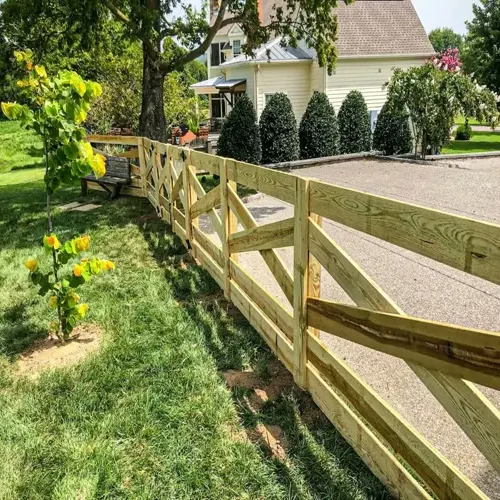
I learned the hedge trimmer vs pruning shears split while working on a boxwood hedge last fall. The hedge trimmer shaped the flat top and sides in about twenty minutes. It looked great from a distance. But up close I could see torn stems and ragged cuts where thicker branches got caught between the blades. I grabbed my pruning shears and spent another ten minutes cleaning up those rough spots one branch at a time. The shears gave each cut a clean finish that the trimmer just couldn't match.
The reason comes down to how each tool delivers force. A hedge trimmer spreads its cutting action across two long blades that chop through thin stems in bulk. This works great for soft new growth on hedges, but thicker stems get torn instead of cut. Pruning shears focus all your hand force onto one small cutting point. NC State Extension confirms that pruning shears handle stems under three-quarters of an inch with a clean bypass or anvil cut that heals well on the plant.
Hedge Trimmers
- Cutting method: Two long blades move back and forth in a shearing motion that clips many thin stems at the same time.
- Best for: Shaping long straight hedges, creating flat tops, and maintaining formal garden lines where speed matters most.
- Limits: Struggles with branches thicker than a quarter inch and leaves ragged cuts that can brown out on the tips.
Pruning Shears
- Cutting method: One curved blade slices past a hook blade to make a clean focused cut on a single stem at a time.
- Best for: Precise shaping, removing dead wood, cutting thicker branches, and any job where plant health matters most.
- Limits: Slow for bulk hedge work since you can only cut one stem per squeeze instead of many at once.
Manual Hedge Shears
- Cutting method: Two long blades on handles work like giant scissors that you operate with both hands for control.
- Best for: Small hedges, light touch-up work, and quiet trimming when you don't want to fire up a power tool.
- Limits: Tires your arms fast on large hedges and still leaves rougher cuts than pruning shears on thick stems.
Most gardeners need a few different garden trimming tools to cover all their hedge and plant care tasks. A power hedge trimmer saves hours on long hedges. Pruning shears handle the detail work and keep your plants healthy at the branch level. Manual hedge shears fill the gap for quick touch-ups without dragging out extension cords or charging batteries. Building this small toolkit gives you the right tool for every job.
Here is the method I follow now. Start with the hedge trimmer for your big shape cuts on any hedge or formal shrub. Step back and check your work from five feet away. Then move in close with pruning shears to fix any torn stems or thick branches the trimmer missed. This two-pass approach gives you a hedge that looks sharp from any distance and stays healthy down to the branch level. Your plants recover faster and push out dense new growth that fills in any gaps within weeks.
Read the full article: Best Pruning Shears for Every Gardener