
The basic garden tools you need are a hand trowel, spade, bypass pruners, garden fork, rake, and a watering can. These six items cover about 90% of the tasks in a typical home garden. You can add more tools later, but this core set handles planting, digging, cutting, and watering from day one.
I started my first vegetable garden with just five tools I grabbed from a hardware store on a Saturday morning. That starter garden tool kit cost me less than $60 total, and I used those same tools through an entire growing season. By August I knew which ones I reached for ten times a week and which ones sat in the shed collecting dust. The trowel and pruners won by a wide margin.
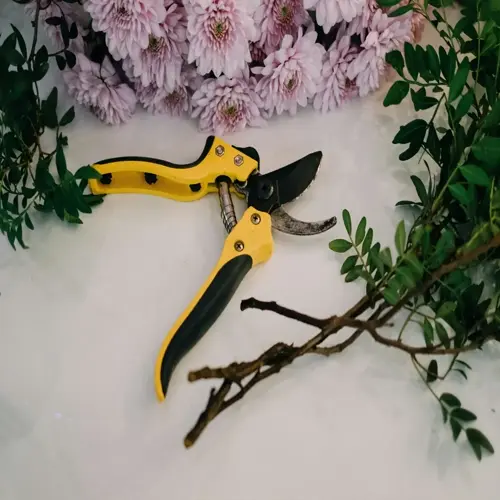
Each tool falls into a clear job category. Knowing these groups helps you avoid buying duplicates. Digging tools include your hand trowel for small holes and a spade for turning soil or edging beds. Cutting tools means a pair of bypass pruners for dead stems, thin branches, and harvesting. Soil work tools cover a garden fork for breaking clumps, a hoe for weeding, and a rake for smoothing beds. Watering tools can be as simple as a two-gallon can or a hose with a nozzle.
Once you learn which category each tool belongs to, building your collection becomes much simpler. You buy one strong tool per category instead of grabbing random gadgets off the shelf. This approach keeps your shed organized and your spending focused on gear that fills a real gap in your lineup.
Prices for these tools vary, but you don't need to spend a fortune to get good quality. A hand trowel runs $8 to $15 at most garden centers. Bypass pruners cost $15 to $30 for a solid pair that will last years if you keep them clean. A quality spade sits in the $25 to $50 range depending on whether you pick stamped steel or forged. Add a garden fork for around $20 and a basic rake for $15, and your full setup comes in under $130.
You might see garden tool sets bundled together for one price, and they look tempting. The problem with most sets is that manufacturers cut costs on every piece to hit a low price point. Handles crack after one season, trowel blades bend in hard soil, and pruner springs lose tension fast. Buying each tool on its own lets you pick better quality where it counts most. Spend more on pruners and your spade since those take the hardest abuse, and save on items like rakes that face less stress.
A wheelbarrow or garden cart rounds out your setup if you have space for one. Moving bags of soil, compost, and mulch by hand gets old fast once your garden grows past a few square feet. Even a small two-wheeled cart saves your back and cuts your work time in half during spring bed prep. I put off buying a wheelbarrow for two years because I thought my garden was too small. The day I finally got one, I finished a mulching job in 30 minutes that used to take me over an hour with a bucket.
Start with the six essential gardening tools listed above and add specialty items as your garden tells you what it needs. You will know within one season which tasks eat up your time, and that's when targeted upgrades make the biggest difference. A sharp set of basics beats a shed full of cheap gadgets every single time. Your garden will reward good tools with better results and less wasted effort at every step.
Read the full article: 10 Best Garden Tools for Every Gardener