
The best alternative to a raised bed is an amended in-ground garden. Containers and straw bales are also great raised bed alternatives. Pick one based on your budget and your yard.
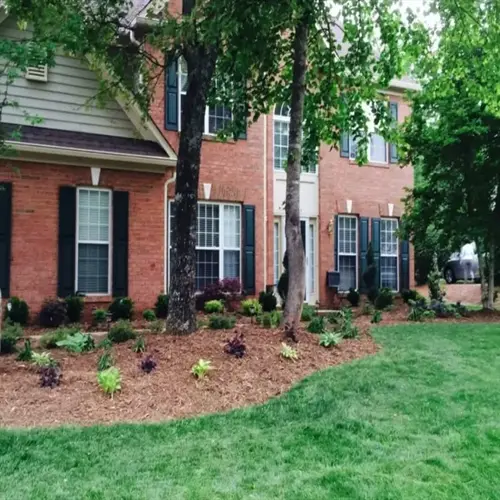
Amended in-ground gardens are the easiest path to gardening without raised beds. You work with the dirt in your yard by mixing in compost and organic matter. UGA Extension found that clay soils hold nutrients and moisture better than store-bought soil mixes when you amend them well. This means your yard dirt might grow food just as well as a raised bed for a fraction of the cost. A few bags of compost and a garden fork are all you need to get going. The total cost is under $50 for most yard-sized plots.
I tested this myself when I turned a patch of heavy clay into a veggie garden. After mixing in 4 inches (10.2 centimeters) of compost, my tomatoes grew just as tall as the ones in my raised beds next to them. The in-ground plot held water longer during dry spells too. I watered it half as often as my raised beds all summer long. The clay held onto nutrients that washed right through my raised bed mix.
Container gardens work best for renters or anyone without yard space. You can grow herbs, greens, and even tomatoes in 5-gallon buckets or fabric grow bags on a porch or balcony. Containers move with you when you change homes. The tradeoff is daily watering in summer since small pots dry out fast. You also need fresh potting mix each year because nutrients run out in these tight spaces over time.
Straw bale gardens make a great raised bed substitute for short-term growing. You soak the bales with nitrogen for two weeks to start them breaking down. Then you plant right into the straw. I used this method while waiting for my beds to be built. The bales gave me some of the best tomatoes I've grown in any setup. They create heat as they rot, which extends your season on both ends. The downside is that bales fall apart after one season and you need fresh ones each year. Plan on buying 10-15 bales for a garden that matches a standard raised bed setup in growing space.
Hugelkultur mounds use a pile of logs and branches covered with soil and compost. The buried wood holds water like a sponge and feeds your plants as it breaks down over 3-5 years. These mounds need no frame, no bought soil, and very little watering once they settle in. They work best if you have free wood and enough room for mounds that can reach 3-4 feet (0.9-1.2 meters) tall. Hardwood logs work better than softwood since they last longer in the ground and break down at a slower, steadier pace.
You can also mix these methods in the same yard. I grow my herbs in containers on the patio for quick kitchen access. My main veggie crops go in the amended ground plot. This combo gives me the best of both worlds without the cost of building raised bed frames. It also means much less watering since only the containers need daily attention.
Pick your method based on your situation. Choose in-ground for large plots and tight budgets. Grab containers if you rent or lack a yard. Try straw bales for a quick one-season garden. Build hugelkultur if you have wood scraps and want something that gets better with age. Every one of these methods grows food just as well as raised beds when you give them the right care.
Read the full article: Raised Beds: A Complete Growing Guide