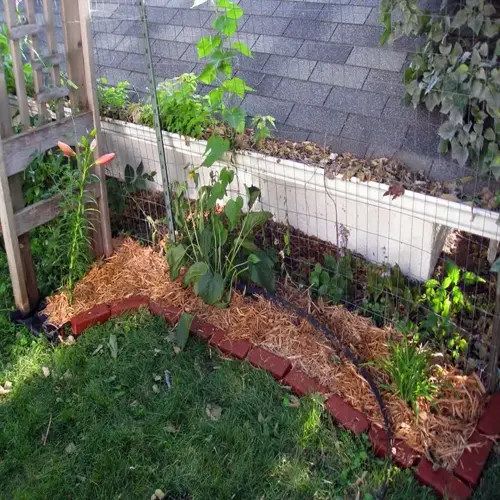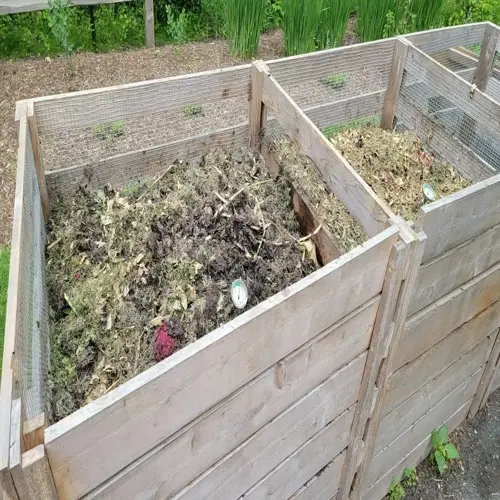

A compost bin for your yard holds organic waste in one spot while tiny organisms break it all down into rich soil amendment. The purpose of compost bin use is simple. Nature recycles your food scraps and leaves into dark, crumbly material your garden can feed on for free.
I've tested three different bin types over the past few years. My cheap static bin took about ten months to produce finished compost. A tumbler cut that down to eight weeks with regular spinning. A worm bin gave me the richest material of all but in smaller amounts. The same banana peels and coffee grounds turned into usable compost in each setup. The timelines and quality levels just varied between them. That hands-on testing taught me a compost bin for any yard size works as long as you pick the right type.
The process inside your bin is simple biology at work. Billions of bacteria and fungi start eating soft food scraps within hours of you adding them. Heat-loving microbes take over as the pile warms up and tackle tougher items like cardboard and twigs. Insects, worms, and other soil creatures move in later to finish the job. They leave behind a material called humus packed with the nutrients your plants need. You don't have to manage this much since the organisms do the heavy lifting on their own.
The USDA calls composting nature's way of recycling. They also rank it among the most powerful actions households can take to cut trash and fight climate change. A single bin can keep hundreds of pounds of organic waste out of the landfill each year. That waste would otherwise sit underground producing methane gas. Your bin turns it into a garden resource instead of an environmental problem.
The compost bin uses in your garden go well beyond mixing finished material into beds. You get three distinct products from one bin if you time your harvests right.
Finished Compost for Beds
- What it looks like: Dark brown, crumbly material that smells like fresh earth and has no recognizable food scraps left in it.
- Best use: Mix 2 to 3 inches into your garden beds each spring to feed soil microbes and improve drainage in heavy clay.
- Harvest timing: Pull from the bottom of your bin after 3 to 12 months depending on your bin type and how often you turn it.
Compost Tea for Feeding
- How to make it: Soak a shovelful of finished compost in a 5-gallon bucket of water for 24 to 48 hours, stirring a few times.
- Best use: Strain and pour the liquid around plant bases as a gentle fertilizer that delivers nutrients straight to the root zone.
- Frequency: Apply compost tea every 2 to 4 weeks during the growing season for steady plant nutrition without burning roots.
Partial Compost for Mulch
- What it looks like: Chunky material with some recognizable pieces that hasn't finished breaking down all the way yet.
- Best use: Spread it 3 to 4 inches thick on garden paths and around established trees where it suppresses weeds while continuing to decompose.
- Bonus benefit: This rough mulch attracts earthworms that pull nutrients down into the soil and improve aeration around root systems.
Getting started takes less effort than most people think. Pick a bin style that fits your space, toss in your kitchen scraps covered with dry leaves, and let the organisms do their work. You'll pull out free, garden-ready compost within months and wonder why you didn't start sooner. A compost bin turns your trash into one of the best soil builders money can't buy.
Read the full article: 8 Best Compost Bins for Every Garden