
Introduction
The magnolia flower hits you with its scent before you even see it. That thick, sweet smell drifts across the yard on warm spring mornings. In my years of growing magnolias, that first bloom each spring still stops me cold. The waxy white petals glowed against dark green leaves like something out of a painting.
Most people don't know why these flowers smell so strong and look so different from other flowering trees. The answer goes back 95 million years to the Cretaceous period. Bees didn't exist yet, so the magnolia had to find a different partner. While roses depend on bees, magnolias partnered with beetles long before the first bee ever flew.
That ancient flower bond shaped every part of the bloom you see today. The thick petals resist beetle jaws. The strong scent draws beetles from far away. The large bloom size gives beetles room to crawl inside and stay overnight. Each trait goes back to this partnership from the age of dinosaurs.
This guide covers popular magnolia varieties and what their colors mean. You'll also learn how to grow a healthy magnolia tree in your yard. I break down the science behind their unique pollination too. Whether you want to plant your first magnolia or just learn why these flowering trees have lasted so long, keep reading.
8 Popular Magnolia Varieties
Think of choosing a magnolia like choosing a home. You need one that fits your space and works in your climate. The 8 magnolia varieties below range from 80 foot tall shade trees to compact shrubs that fit in a small yard. I've grown 5 of these types of magnolia over the years and each one brings something different to the garden.
This list covers both evergreen magnolia and deciduous magnolia species so you can find the right match. I sorted these magnolia species from largest to most compact to help you find what fits your space fast.
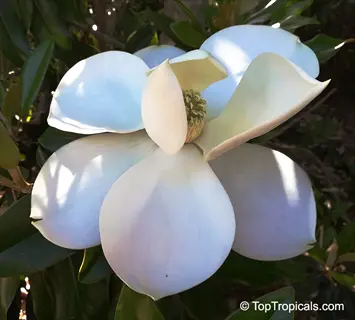
Southern Magnolia
- Scientific Name: Magnolia grandiflora is the classic large evergreen species native to the southeastern United States, growing 60 to 80 feet (18 to 24 meters) tall with a spread of 30 to 50 feet (9 to 15 meters).
- Hardiness Zones: Thrives in USDA zones 6a through 10b, tolerating both heat and moderate cold with a minimum frost-free period of 210 days for best performance.
- Flowers: Produces creamy white fragrant blooms measuring 8 to 12 inches (20 to 30 centimeters) in diameter from late spring through summer, with sparse blooms continuing into fall.
- Growth Habit: Evergreen with thick, glossy dark green leaves featuring a distinctive rusty brown underside, creating dense year-round shade and privacy screening.
- Wildlife Value: Seeds dispersed by birds and mammals including squirrels, opossums, quail, and turkey, making it an important food source in southeastern ecosystems.
- Best For: Large landscapes, estate gardens, and parks where the tree has ample room to reach its full majestic size and spread naturally.
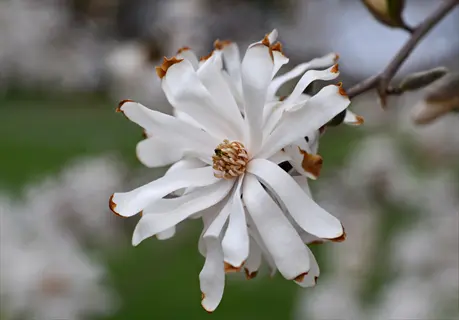
Star Magnolia
- Scientific Name: Magnolia stellata is a compact deciduous species from Japan, reaching only 15 to 20 feet (4.5 to 6 meters) tall with a rounded spreading habit.
- Hardiness Zones: Hardy in USDA zones 4 through 8, making it one of the most cold-tolerant magnolia species available for northern gardeners.
- Flowers: Produces star-shaped white flowers with 12 to 18 narrow strap-like petals in early spring before leaves appear, often among the first trees to bloom each year.
- Growth Habit: Multi-stemmed shrub or small tree with a rounded form that requires little pruning, growing at about 12 inches (30 centimeters) per year.
- Considerations: Early blooming habit makes flowers vulnerable to late spring frosts, so plant in a sheltered location away from cold north winds.
- Best For: Small gardens, foundation plantings, and containers where space is limited but early spring color is desired.
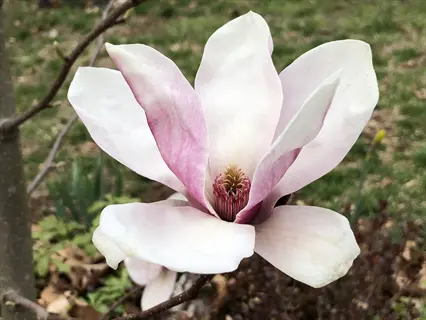
Saucer Magnolia
- Scientific Name: Magnolia x soulangeana is a deciduous hybrid between Magnolia denudata and Magnolia liliiflora, growing 20 to 30 feet (6 to 9 meters) tall.
- Hardiness Zones: Performs well in USDA zones 5 through 9, offering a wide range of adaptability across temperate climates in both hemispheres.
- Flowers: Large cup-shaped blooms in shades of pink, purple, and white appear in early to mid-spring before foliage, creating a spectacular seasonal display.
- Growth Habit: Broad spreading canopy with low branching that often reaches the ground, creating a dramatic focal point in any landscape design.
- History: Created in 1820 by French nurseryman Etienne Soulange-Bodin, this hybrid has become one of the most widely planted magnolias worldwide in parks and gardens.
- Best For: Specimen planting in front yards, along walkways, and in mixed borders where its early spring color provides a dramatic seasonal transition.
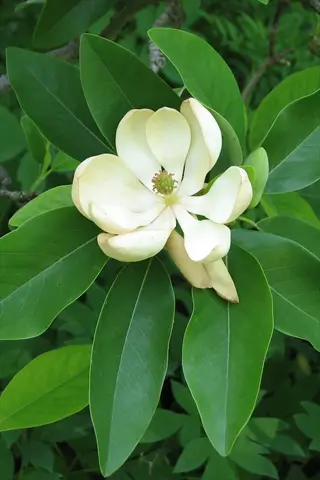
Sweetbay Magnolia
- Scientific Name: Magnolia virginiana is a semi-evergreen to deciduous species native to the eastern United States, reaching 35 to 50 feet (10 to 15 meters) tall.
- Hardiness Zones: Grows in USDA zones 5 through 10, with northern specimens being deciduous and southern populations remaining evergreen throughout the year.
- Flowers: Produces small but very fragrant creamy white blooms measuring 2 to 3 inches (5 to 8 centimeters) across from late spring through midsummer.
- Growth Habit: Grows in wet, swampy areas and tolerates poorly drained soils far better than most other magnolia species, making it versatile.
- Unique Feature: Leaves have a distinctive silvery white underside that flashes in the wind, giving this tree a shimmering two-toned appearance.
- Best For: Rain gardens, wet areas, and naturalized woodland settings where other magnolias would struggle with excess moisture.
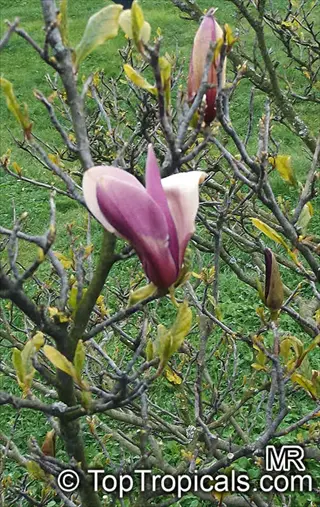
Lily Magnolia
- Scientific Name: Magnolia liliiflora is a compact deciduous species from China, growing just 8 to 12 feet (2.4 to 3.6 meters) tall as a large shrub.
- Hardiness Zones: Hardy in USDA zones 5 through 8, performing best with some afternoon shade in warmer regions to prevent flower bud damage.
- Flowers: Produces elegant lily-shaped blooms in deep purple to reddish-pink on the outside with pale pink to white interiors, creating stunning contrast.
- Growth Habit: Dense multi-stemmed shrub form with a rounded outline that works great as a hedge, screen, or mass planting in garden borders.
- Cultural Note: One of the parent species of the popular Saucer magnolia hybrid, contributing its rich purple and pink flower coloring to many modern cultivars.
- Best For: Mixed shrub borders, Asian-inspired gardens, and smaller landscapes where a tree-sized magnolia would overwhelm the available space.
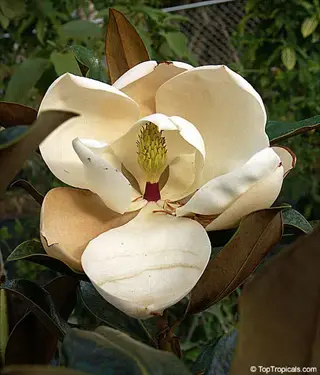
Little Gem Magnolia
- Scientific Name: Magnolia grandiflora Little Gem is a compact evergreen cultivar reaching 15 to 20 feet (4.5 to 6 meters) tall with a narrow columnar form.
- Hardiness Zones: Grows in USDA zones 7 through 9, a bit less cold-hardy than the full-sized Southern magnolia but far more manageable in size.
- Flowers: Blooms heavily from late spring through fall with a longer flowering season than the straight species, producing 3 to 5 inch (8 to 13 centimeter) white flowers.
- Growth Habit: Tight columnar to pyramidal shape makes it ideal for narrow spaces, screening, and formal landscape designs without heavy pruning requirements.
- Foliage: Maintains the signature glossy dark green leaves with bronze undersides year-round, providing consistent evergreen structure in the garden.
- Best For: Urban gardens, narrow side yards, privacy screens, and container growing where a full-sized Southern magnolia would be too large.
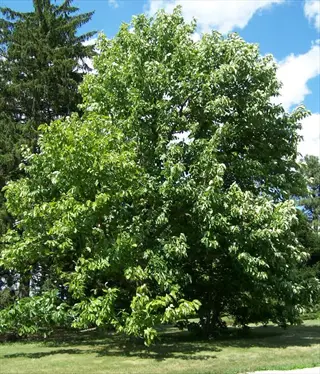
Cucumber Tree Magnolia
- Scientific Name: Magnolia acuminata is a large deciduous species native to eastern North America, growing 50 to 80 feet (15 to 24 meters) tall at maturity.
- Hardiness Zones: Among the hardiest magnolias, thriving in USDA zones 4 through 8, making it suitable for gardens in colder northern climates.
- Flowers: Produces small greenish-yellow flowers in late spring that are less showy than other magnolias but contribute unique yellow genetics to modern hybrids.
- Growth Habit: Fast-growing upright tree with a pyramidal crown that matures into a broad rounded canopy, providing excellent shade in large landscapes.
- Unique Feature: Named for its bumpy green fruit clusters that resemble small cucumbers before ripening to red in fall and attracting songbirds and small mammals.
- Best For: Large properties, parks, and naturalized woodland gardens where cold hardiness and fast growth are more important than showy spring blooms.
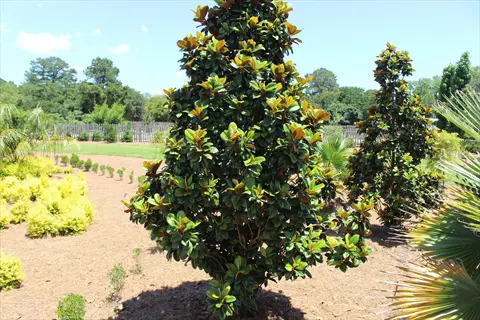
Teddy Bear Magnolia
- Scientific Name: Magnolia grandiflora Teddy Bear is a compact evergreen cultivar growing 16 to 20 feet (5 to 6 meters) tall with a dense pyramidal form.
- Hardiness Zones: Performs well in USDA zones 7 through 9, offering the Southern magnolia experience in a fraction of the space needed for the full species.
- Flowers: Produces classic large white fragrant blooms similar to the parent species, appearing from late spring through summer against a backdrop of dark foliage.
- Growth Habit: Extra dense branching with leaves held close to the trunk creates a solid column of green that works as a living privacy wall.
- Foliage: Leaves feature a thick, fuzzy bronze-brown felt on the underside, giving this cultivar its playful common name and tactile garden interest.
- Best For: Privacy screens, formal entries, container planting on patios, and small urban gardens where a classic magnolia look is wanted in a compact package.
Southern magnolia and Star magnolia are among the most planted types in home gardens. But compact cultivars like Little Gem and Teddy Bear are gaining ground. They fit in smaller urban spaces and still give you that classic magnolia look.
Magnolia Flower Symbolism
The magnolia flower meaning goes deep across many cultures. Charles Plumier named the genus in 1703 after French botanist Pierre Magnol. That gave the bloom a formal identity to match the respect people felt for it. You'll find magnolia symbolism in weddings, gifts, and traditions all over the world.
If you live in the American South, you know the magnolia stands for Southern charm and quiet strength. Families plant magnolia trees at their homes and pass them to their children. I've seen 100 year old magnolias on old estates that still bloom each spring. The tree becomes part of your family story and a living symbol of roots.
Victorians gave each flower a hidden meaning in a practice they called floriography. The magnolia meant dignity and nobility to them. If you sent someone a magnolia bloom, you told them they carried grace. Brides today still pick magnolias for their bouquets to signal purity and lasting love. I've noticed more florists adding magnolia branches to their wedding stock each year.
You'll find a different spin on magnolia meaning in Asia. In Japan, the bloom connects to a love of nature through Hanakotoba, their flower language. Chinese culture links it to feminine beauty and healing. If you look into Chinese medicine, you'll see magnolia bark used for centuries to treat stress and poor sleep.
The magnolia meaning shifts from place to place but you'll spot common threads. Strength, beauty, and endurance show up in almost every tradition. A flower that survived 95 million years earns that respect across borders. Whether you grow one for its looks or its meaning, the magnolia carries a story worth knowing.
Growing and Caring for Magnolias
Good magnolia tree care starts with picking the right spot in your yard. You need full sun to partial shade and well-drained soil that leans a bit acidic. I've found that a soil pH between 5.5 and 6.5 gives magnolias their best shot at strong growth. The table below shows you what each care factor looks like at a glance.
Your magnolia growing zones matter more than most people think. If you live in USDA hardiness zones 6a through 10b, a Southern magnolia will do great. Colder areas in zones 4 and 5 should look at the Star magnolia or Cucumber Tree instead. Match your zone to the right species and you'll save yourself years of trouble.
Planting magnolia works best in spring or early fall when your tree has time to set roots. Watering magnolia trees means giving them a deep soak once a week for the first 2 years. After that, most species handle dry spells on their own. I water mine extra during hot summers but skip the hose in cooler months.
Pruning magnolia calls for a light touch. You should only cut dead or crossed branches and do it right after the blooms fade. Magnolias have surface level, fleshy roots so never dig or till the soil close to the trunk. USDA data shows these trees resist sulfur dioxide damage, which makes them solid picks for urban gardens and streets.
Magnolia Pollination Biology
Magnolia pollination works nothing like what you see with roses or sunflowers. These flowers set up their system long before bees existed on Earth. The science term for this is cantharophily, or beetle pollination. It makes the magnolia ancient flower stand out from almost every other plant you'll find in your garden.
The cycle starts early in the morning when the bloom opens wide. The stigmas inside are wet and ready to receive pollen from visiting beetles. Beetles pick up the strong, sweet scent and crawl inside to feed. If a beetle carries pollen from another magnolia, it rubs off onto the sticky stigmas right away. This is where trap pollination begins.
As evening arrives, the innermost tepals close around the beetle and hold it inside. The flower keeps the bug trapped overnight in a warm, safe space with food. While the beetle rests, the anthers open and release fresh pollen that coats the beetle's body. By morning the tepals open again and the beetle flies to the next bloom with a full load of pollen.
This system explains why magnolias look the way they do. The tepals are thick because beetles have strong jaws that would shred a thin petal. The blooms are large so beetles have room to move. The scent is heavy because beetles don't see color well and need smell to find the flower. In my years watching magnolias bloom, I've seen beetles lined up at dawn waiting to get inside.
I find it wild that a system this complex has lasted 95 million years with little change. One key study showed that magnolia carpels use 2 separate systems to move water. That finding changed what we know about how flowers first took shape. The magnolia before bees era shaped a bloom that still works perfectly today.
Magnolia Color Meanings
Each magnolia flower color carries its own meaning and fits different occasions. This magnolia color chart breaks down the 4 main bloom colors you'll find at nurseries and florists. You can use it as a guide to pick the right shade for your next event or garden plan.
You'll run into the white magnolia meaning and pink magnolia meaning most often. The purple magnolia meaning adds a royal touch to your gifts while yellow brings pure joy. I've used this color guide for years when picking blooms as presents and it hasn't steered me wrong once.
White Magnolia Flowers
- Symbolism: White magnolia blooms represent purity, perfection, and spiritual devotion, making them the most recognized magnolia color across cultures worldwide.
- Cultural Roots: In Victorian flower language, gifting white magnolias conveyed a message of dignity and nobility, while in Chinese tradition they represent feminine beauty and gentleness.
- Best Occasions: White magnolias are used in wedding bouquets, bridal decorations, and sympathy arrangements where their quiet elegance sends a message of respect and sincerity.
Pink Magnolia Flowers
- Symbolism: Pink magnolia blooms stand for youth, innocence, romance, and joy, carrying a lighter emotional tone than their white counterparts in floral arrangements.
- Cultural Roots: Pink varieties like the Saucer magnolia became popular in European gardens during the 1800s, where they represented budding love and new beginnings in the language of flowers.
- Best Occasions: Pink magnolias make great gifts for birthdays, baby showers, Mother's Day, and romantic anniversaries where warmth and affection are the message.
Purple Magnolia Flowers
- Symbolism: Purple magnolia blooms convey nobility, good fortune, and health, drawing from centuries of ties between the color purple and royalty across many cultures.
- Cultural Roots: In East Asian traditions, purple magnolias are linked to good luck and wishes for health, while Western readings connect them to dignity and admiration.
- Best Occasions: Purple magnolias are ideal for gifts at promotions, graduations, and events that celebrate success where admiration and respect are the message you want to send.
Yellow Magnolia Flowers
- Symbolism: Yellow magnolia blooms represent joy, happiness, and friendship, offering a cheerful and upbeat energy that brightens any garden or floral arrangement.
- Cultural Roots: Yellow magnolia varieties are rare compared to white and pink, with the Cucumber Tree magnolia being the main source of yellow flower genetics in modern hybrids.
- Best Occasions: Yellow magnolias make great gifts for friends, housewarming parties, and get well wishes where their sunny coloring lifts spirits and brings positive energy.
You can mix magnolia flower colors in a single arrangement for a richer message. I like combining white and pink blooms for weddings and adding purple for graduation gifts. The color you pick tells the person what you feel without needing to say a word.
Magnolias in Culture and Art
The magnolia cultural significance goes far beyond your garden fence. Andrew Jackson planted magnolias at the White House grounds. The magnolia state flower holds that title in both Louisiana and Mississippi. North Korea chose Magnolia sieboldii as its national bloom too. Few trees hold this much weight in government and history.
The magnolia Southern United States bond shows up in all kinds of art and writing. William Faulkner set stories under magnolia shade. Tennessee Williams used the bloom as a symbol of strength. The same tree that fed great authors also feeds migrating songbirds and shelters magnolia wildlife across the forest floor.
You'll find magnolia in art across Asia as well. Chinese painters have featured magnolia branches in ink work for centuries. Japanese artists put the bloom in spring scenes that mark renewal. I've seen magnolia prints in museums in both countries, and the flower takes center stage every time you walk through the halls.
The Southern magnolia can become the top tree in a mature forest, what scientists call a climax species. Birds and small mammals eat the red seeds and spread them. Squirrels, quail, turkey, and opossums all count on magnolia trees for food each fall. Your magnolia tree feeds more wildlife than you'd ever guess.
The magnolia traditional medicine story starts in China long ago. Healers there have used the bark for centuries to ease stress and poor sleep. Modern studies now look at these old claims with new tools. The magnolia shows you that cultural value and real science can live in the same tree.
5 Common Myths
Magnolias are tropical plants that cannot survive cold winters or freezing temperatures at all.
Several magnolia species thrive in USDA zone 4, tolerating temperatures as low as minus 30 degrees Fahrenheit (minus 34 degrees Celsius).
Bees are the primary pollinators of magnolia flowers, just like most other flowering plants.
Beetles are the primary pollinators of magnolias, which evolved their pollination strategy roughly 95 million years ago, long before bees appeared.
All magnolia trees are massive shade trees that need enormous yards to grow properly.
Dwarf and compact cultivars like Little Gem reach only 15 to 20 feet (4.5 to 6 meters) tall, fitting easily in small gardens and containers.
Magnolia flowers have traditional petals and sepals just like roses and most other common flowers.
Magnolia flowers have tepals, structures where petals and sepals are nearly identical in size, shape, and color, making them botanically distinct.
Magnolia trees only grow in the warm, humid climate of the American South and nowhere else.
Magnolias grow naturally across eastern North America, Central America, the Caribbean, and throughout eastern and southeastern Asia.
Conclusion
The magnolia flower is more than just a pretty bloom in your yard. You now know these flowering trees go back 95 million years and lived through climate shifts and asteroid strikes. Their beetle pollination system still works the same way it did when dinosaurs roamed the Earth. That kind of staying power says a lot about how tough these plants are.
You've seen the range of magnolia varieties from the towering Southern magnolia to the compact Little Gem. Each one fits a different space and climate zone. Your magnolia garden might have room for an 80 foot tree or just a small corner. Either way, there's a magnolia tree that fits. Match your USDA zone to the right species and you'll set yourself up for success.
The meaning and cultural weight of magnolias make them more than just a tree to plant. They carry stories from the American South, from Chinese medicine, and from Japanese flower art. I've grown magnolias for years and the meaning behind each bloom still hits me every spring when the first flowers open.
A tree that thrived next to dinosaurs still graces modern gardens today. It bridges deep time with the beauty you see right outside your door. If you haven't planted a magnolia yet, now is a great time to start. Pick your variety, find a sunny spot with good drainage, and give this ancient flower a home in your yard.
External Sources
Frequently Asked Questions
What is special about the magnolia flower?
Magnolia flowers are among the oldest flowering plants on Earth, dating back 95 million years, and they use a unique beetle pollination method that predates bees.
What is magnolia called in India?
In India, magnolia is commonly known as Champa or Champak, referring to Magnolia champaca, a fragrant species native to South and Southeast Asia.
What is the symbolic meaning of a magnolia?
Magnolia symbolizes purity, dignity, nobility, perseverance, and love of nature across many cultures worldwide.
What month is the magnolia flower?
Most magnolias bloom from late spring through early summer, primarily in May and June, with some varieties flowering as early as March.
What is magnolia most famous for?
Magnolia is most famous for its large, fragrant flowers, its status as one of the oldest flowering plants, and its deep cultural symbolism in the American South and East Asia.
Is magnolia native to Europe?
Magnolia is not native to Europe. The genus is native to eastern North America, Central America, the Caribbean, and eastern and southeastern Asia.
What are the 12 birth flowers?
The 12 birth flowers are one per month, including carnation for January, violet for February, daffodil for March, and others through December.
Which country national flower is the magnolia?
North Korea has the magnolia (Magnolia sieboldii) as its national flower, and magnolia also serves as the state flower of Louisiana and Mississippi in the United States.
Are magnolias a funeral flower?
Magnolias are sometimes used at funerals to symbolize dignity, purity, and the enduring nature of the soul, especially in the American South.
What is a magnolia girl?
A magnolia girl refers to a Southern woman who embodies grace, strength, and beauty, inspired by the magnolia flower's resilience and elegance.