
Yes, it is worth having a compost bin if you want to cut your household waste and feed your garden at the same time. A basic bin turns kitchen scraps and yard trimmings into free fertilizer that most gardeners pay good money for at the store.
I was shocked the first week I tracked my kitchen waste. Banana peels, coffee grounds, eggshells, and vegetable trimmings filled a 5-gallon bucket in just four days. All of that used to go straight into the trash and then off to the landfill. Once I started tossing it into a bin instead, my weekly garbage shrank so much that I downgraded to a smaller trash can. The compost bin benefits hit me fast and changed how I thought about food waste for good.
The money savings add up quicker than most people expect. A single bag of store-bought compost or garden soil runs $5 to $15, and a serious gardener burns through four or five bags each spring. Organic fertilizer blends cost even more. Your compost bin produces the same stuff for free once you set it up. I spent about $40 on a basic static bin three years ago and haven't bought bagged soil amendments since. That one purchase has saved me well over $150 at this point. The compost bin benefits go beyond the garden too since you cut down on trash bags and might even reduce your waste hauling fees.
The environmental numbers back this up. According to EPA data, food scraps and yard waste make up 20% to 30% of what households send to the landfill. That organic matter breaks down without oxygen in a landfill and releases methane. Methane traps far more heat than carbon dioxide does. Composting at home cuts those emissions by over 90% per ton of waste. Your small bin on the back porch makes a real dent in your household footprint.
The finished compost does things for your soil that store-bought products can't match. It feeds billions of microbes that keep your garden alive. It builds soil structure that holds water during dry spells. I've watched my clay-heavy garden beds turn into loose, dark, crumbly soil over just two growing seasons. My tomatoes produce more fruit now and I water less often thanks to the better moisture retention.
Your compost also acts as a slow-release fertilizer that feeds plants over weeks instead of all at once like synthetic options. Healthy soil means fewer pest problems and stronger root systems that help your plants handle heat and drought. These long-term gains keep adding up season after season with every batch you spread.
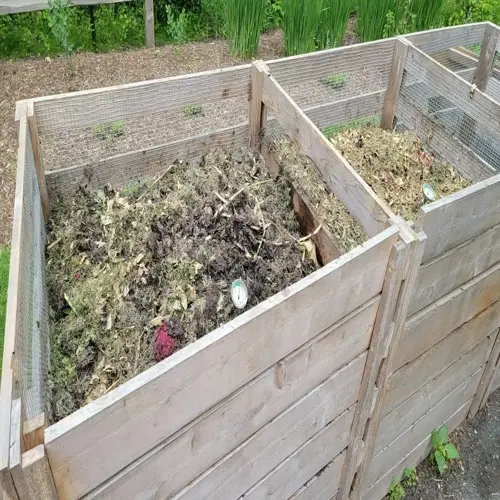
Starting out doesn't need to cost much or take much effort. Grab a simple static bin for under $50 from any garden center or hardware store. Set it on bare soil in a shady corner of your yard. Toss in your fruit and vegetable scraps, cover them with dry leaves or shredded cardboard, and let nature handle the rest. You don't need a fancy tumbler or a three-bin system right away. Test the process with a cheap setup first and see if composting fits your daily routine before spending more.
After three years of running my own bin, I can tell you that composting worth it is an understatement. The garden improvements, the waste reduction, and the money you save on soil products all stack up over time. You won't get rich from composting, but you will get a healthier garden and a lighter trash can every single week. That trade-off makes a compost bin one of the best small investments any homeowner or gardener can make.
Read the full article: 8 Best Compost Bins for Every Garden