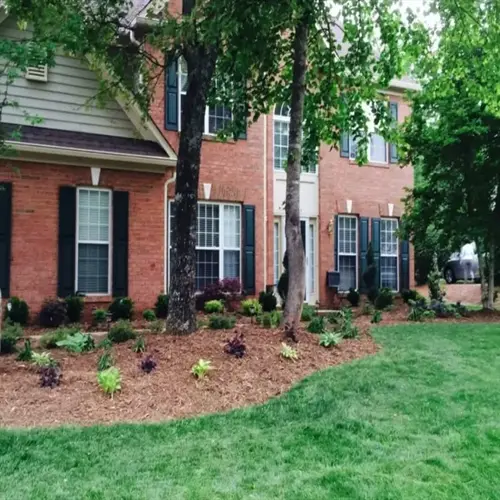

Neither in ground or raised beds is the clear winner for every yard. The right choice depends on your native soil, your budget, and how much bending your body can handle. Both methods grow great food when you set them up the right way for your yard.
I've grown tomatoes in both setups side by side for three years now. My in-ground plot produces just as much fruit as my raised beds when I keep the soil fed with compost. UGA Extension backs this up. Their research found that clay soils, when you amend them with organic matter, hold nutrients and moisture better than man-made soil mixes. This raised bed vs garden debate has no simple answer.
The trade-offs between raised beds vs in-ground gardens are clear once you know them. Raised beds drain faster and warm up 2-3 weeks sooner in spring. That early start matters in short growing seasons. But fast drainage also means your beds dry out fast and need water almost every day in summer.
In my experience, in-ground plots hold moisture much longer than raised beds during hot stretches. I water my ground-level garden twice a week in July while my raised beds need daily attention. That difference saves me real time and cuts my water bill down by a good amount each summer.
Cost is where in-ground gardens win by a wide margin. A single raised bed can run $150 to $300 for wood, hardware, and fill soil. UGA Extension notes that store-bought topsoil is often just bark and sand mixed together. It can perform about the same as the dirt already in your yard. You might spend $200 to $400 filling beds with soil that isn't any better than what you're standing on. A $30 soil test and some targeted amendments for your existing ground could give you equal results.
In-ground gardens also let you use rototillers, wheel hoes, and other power tools for weeding and turning soil. Raised beds force you to work by hand with short tools. If you garden more than 100 square feet, that extra hand labor adds up to hours of work each week during peak season. My neighbor switched from raised beds back to in-ground after two years because the hand weeding wore her out. She uses a wheel hoe now and covers her whole garden in 20 minutes flat.
Pick raised beds if your native soil is rocky, full of clay, or tainted with old chemicals. They also make sense when you need a higher surface for back or knee problems. Raised beds stand 8-12 inches (20.3-30.5 centimeters) above ground and save you from bending all the way down to plant and weed.
Go with in-ground plots for large gardens, tight budgets, or yards where weeds already grow thick. Strong weed growth means the soil has life in it and can grow food too. You can also mix the two methods in the same yard. I use raised beds for crops that need great drainage like peppers and herbs. My root veggies and squash go in the ground where they have room to spread.
So is a raised bed worth it? Only if your starting soil needs more help than simple amendments can give. Test your dirt first. You may find that your backyard ground just needs compost and some care to grow an amazing garden for a fraction of the raised bed price tag.
Read the full article: Raised Beds: A Complete Growing Guide