
For how much Epsom salt per plant, use 1 to 2 tablespoons mixed into 1 gallon (3.8 liters) of water as a soil drench. This rate works for most vegetables and flowers in your ground beds. Start at the low end and only go up if your plants still show deficiency after two weeks.
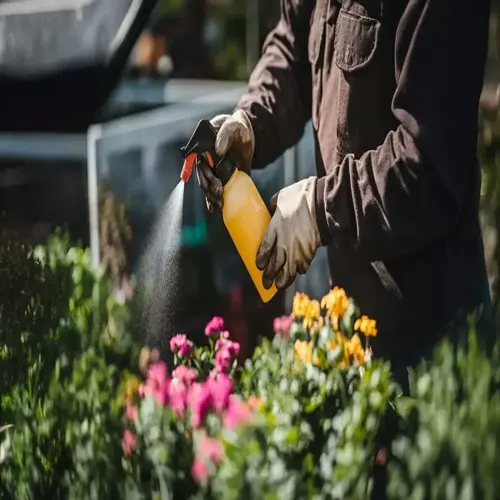
Your correct epsom salt application rate depends on how you plan to get it to the plant. Soil drenches at 1 tablespoon per gallon work best for your monthly treatments. Alabama Extension lists 2 tablespoons per gallon as a leaf spray rate for bad cases only. I tried the higher leaf spray rate on my peppers once and saw brown edges on the leaves within 48 hours. The water dried and left salt deposits right on the leaf. Stick with soil drenches unless your plants are in rough shape.
Alabama Extension has a math formula for large plots. Multiply the pounds of magnesium you need by 10.136 to get pounds of Epsom salt per acre. SDSU says to use 1 to 2 pounds per 100 gallons for large drench jobs through hose-end sprayers. These rates assume you have a soil test that shows a real need.
Your houseplants need far less because your pots hold such a small amount of soil. NC State says about 1 teaspoon per 3-gallon pot (11.4 liters) and only when lower leaves show yellow between the veins. I measured this for my fiddle leaf fig and it barely covered the bottom of my spoon. More is not better indoors because extra salts have nowhere to drain and build up fast.
The safest epsom salt dosage garden growers should follow is to start low and watch. Mix 1 tablespoon in a gallon of water, drench the soil at your plant's base, and wait two full weeks. If the yellowing fades and new growth looks green, hold at that rate. If your signs continue, go up to 2 tablespoons next time. Never go above that without a soil test that confirms magnesium is your real issue.
I also keep a small notebook where I write down every Epsom salt treatment I give each plant. I note the date, the rate, and what the plant looked like before and after. This simple habit has saved me from over-treating more than once. When you track your results, you can see patterns that tell you which plants in your garden need help and which ones do fine without it. Your future self will thank you for keeping those records.
Read the full article: Epsom Salt for Plants