
Introduction
Epsom salt for plants is one of the most shared gardening tips online right now. Gardeners sprinkle it on tomatoes, mix it into rose beds, and add it to watering cans. But most of this advice skips a key detail that can turn a good idea into a real problem.
I spent years adding magnesium sulfate to everything in my garden. Then I found out what researchers already knew. This stuff works like vitamin supplements for people. It helps when you have a true shortage, but it does nothing when your levels are fine. Too much can cause damage that takes a whole season to undo.
Alabama Extension says magnesium is the nutrient most likely to run low in veggie soils. That explains why so many gardeners see results and assume every plant needs it. But NC State Extension warns that too much magnesium is harder to fix than too little. Getting the dose wrong in one direction is far more forgiving than the other for your plant nutrition.
This guide covers which plants truly need the boost, safe doses, and when to skip it. All the tips here come from 5 university sources. You can stop guessing and start growing with real data.
8 Plants That Benefit
You don't need to add extra magnesium to every plant in your garden. Some of your crops are far more sensitive to magnesium deficiency plants face than others. Alabama Extension data backs this up. The 8 plants below are the ones you should watch for low magnesium in your beds.
When I first tested my soil, I found out that my tomatoes and peppers needed help the most. You might see the same pattern in your own plot. I also noticed that epsom salt for roses gave my flower beds a boost once I confirmed low magnesium. These epsom salt for vegetables tips will show you what to watch for with each plant.

Tomatoes
- Why they need it: Tomatoes are among the most magnesium-sensitive vegetables, and deficiency symptoms often appear mid-season when the plant is carrying a heavy fruit load and pulling nutrients toward developing tomatoes.
- Deficiency signs: Older, lower leaves develop yellowing between the veins while the veins stay green, a pattern called interveinal chlorosis that eventually spreads upward through the plant.
- Application rate: Dissolve 1 tablespoon of Epsom salt in 1 gallon (3.8 liters) of water and apply as a soil drench around the base of each plant once per month during the growing season.
- Best timing: Apply after the first fruit set, when magnesium demand spikes because the plant redirects nutrients from leaves to developing fruit clusters.
- Caution: Never apply Epsom salt for tomatoes showing blossom end rot, because the added magnesium blocks calcium uptake and makes the condition worse rather than better.
- Soil test first: University extension experts from four separate states agree that tomato growers should only apply Epsom salt after a lab soil test confirms magnesium levels are low.

Peppers
- Why they need it: Peppers belong to the same plant family as tomatoes and share the same high sensitivity to low magnesium levels in the soil.
- Deficiency signs: Lower leaves turn yellow between veins first, and in severe cases the leaf edges may curl upward and become brittle before dropping off the plant entirely.
- Application rate: Mix 1 tablespoon of Epsom salt for peppers per gallon (3.8 liters) of water and drench the soil around each pepper plant once every four to six weeks.
- Best timing: Begin applications after transplanting and continue through the fruiting period, when nutrient demand is highest and deficiency symptoms are most likely to appear.
- Caution: Like tomatoes, peppers are prone to blossom end rot, so adding Epsom salt without a confirmed deficiency can do more harm than good by disrupting calcium balance.
- Growing tip: Peppers grown in containers are more likely to need magnesium supplements because potting mixes drain faster than garden soil and nutrients leach out with each watering.

Roses
- Why they need it: Roses are heavy feeders that consume large amounts of soil nutrients throughout the blooming season, and magnesium supports the chlorophyll production that fuels flower development.
- Deficiency signs: Older leaves at the base of the rose bush turn yellow between veins while newer growth at the top stays green, and severe deficiency can reduce bloom size and count.
- Application rate: Scratch 1 tablespoon of dry Epsom salt into the soil around the base of each rose bush and water well to dissolve the granules into the root zone.
- Best timing: Apply once in early spring as new growth begins and again after the first major flush of blooms to support the next round of flowering.
- Caution: Adding too much Epsom salt around roses can create salt buildup in the soil that blocks water and leads to stunted, dark foliage instead of healthy growth.
- Alternative approach: Many rose fertilizers already contain magnesium, so check your current feeding program before adding Epsom salt for roses to avoid doubling up on the same nutrient.

Eggplants
- Why they need it: Eggplants are another member of the Solanaceae family and rank among the crops most sensitive to magnesium deficiency according to Alabama Cooperative Extension research.
- Deficiency signs: Interveinal chlorosis begins on the oldest leaves and progresses upward, and in advanced cases the affected areas may develop a purple tint that signals severe nutrient stress.
- Application rate: Apply 1 tablespoon of Epsom salt dissolved in 1 gallon (3.8 liters) of water as a soil drench once per month during the active growing and fruiting period.
- Best timing: Start applications about two weeks after transplanting into the garden to give plants time to establish roots before introducing the magnesium supplement.
- Caution: Eggplants are susceptible to blossom end rot just like their tomato and pepper relatives, so excess magnesium creates the same calcium competition problem.
- Container note: Eggplants grown in pots or raised beds with soilless mixes may benefit more from Epsom salt because these growing media often contain less available magnesium than native soil.

Cucumbers
- Why they need it: Cucumbers belong to the cucurbit family, which Alabama Cooperative Extension identifies as one of the plant groups most sensitive to low magnesium levels in the soil.
- Deficiency signs: Yellowing between leaf veins on older leaves is the first visible sign, and untreated deficiency can reduce fruit production because the plant cannot make enough chlorophyll to fuel growth.
- Application rate: Dissolve 1 to 2 tablespoons of Epsom salt per gallon (3.8 liters) of water and apply to the soil around each plant every four to six weeks during the growing season.
- Best timing: Apply after the vines begin to run and set flowers, because this is when the plant's magnesium demand increases to support both leaf expansion and fruit development.
- Caution: Avoid foliar spraying cucumbers with Epsom salt solution in direct sunlight, as the combination of dissolved salts and sun can scorch the broad, thin leaves.
- Companion crops: Watermelons and squash share the same cucurbit family sensitivity, so if your cucumbers show deficiency symptoms, check neighboring melons and squash plants as well.

Azaleas and Rhododendrons
- Why they need it: These acid-loving shrubs grow in soils with low magnesium, making them more likely than most plants to benefit from a targeted Epsom salt application.
- Deficiency signs: Leaves develop a mottled yellow pattern between the veins while the veins remain dark green, and the overall plant may produce fewer flower buds than expected.
- Application rate: Dissolve 1 tablespoon of Epsom salt in 1 gallon (3.8 liters) of water and apply as a soil drench around the drip line of the shrub once in spring.
- Best timing: Apply in early spring before new growth begins so the roots can absorb the magnesium as the plant breaks dormancy and starts producing new leaves and flower buds.
- Caution: Do not use dolomitic lime as a magnesium source for these plants because lime raises soil pH, which conflicts with the acidic conditions azaleas and rhododendrons require.
- NC State note: NC State Cooperative Extension identifies acid-loving plants as better candidates for Epsom salt because their preferred soil pH range limits other magnesium sources.

Broccoli and Cabbage
- Why they need it: Brassica family crops including broccoli and cabbage are listed among the magnesium-sensitive vegetables by Alabama Cooperative Extension and can show deficiency in depleted soils.
- Deficiency signs: Older outer leaves turn pale yellow between veins while the central head or developing florets continue to look healthy, masking the deficiency until it becomes severe.
- Application rate: Mix 1 tablespoon of Epsom salt into 1 gallon (3.8 liters) of water and apply as a soil drench once per month during the main growing period.
- Best timing: Apply during the head-formation stage for broccoli or the heading stage for cabbage, when nutrient demand increases and deficiency is most likely to appear.
- Caution: These cool-season crops are often grown in amended garden beds that already contain sufficient magnesium from compost or previous fertilizer applications, so test first.
- Growing context: Brassicas grown after heavy-feeding summer crops like tomatoes or peppers may be more prone to magnesium deficiency because the previous crops depleted soil reserves.

Watermelons and Squash
- Why they need it: These cucurbit family crops have large, fast-growing vines that consume magnesium fast, during the period when multiple fruits are developing at the same time.
- Deficiency signs: Interveinal chlorosis on the oldest leaves spreads inward from the leaf margins, and plants may produce smaller fruit or fewer fruit per vine as the deficiency worsens.
- Application rate: Dissolve 2 tablespoons of Epsom salt in 1 gallon (3.8 liters) of water and drench the soil at the base of each plant every four to six weeks during fruiting.
- Best timing: Begin applications after the first fruit has set and the vines are expanding, because this is when the competition for magnesium between leaves and fruit is strongest.
- Caution: Watermelons and squash grown on sandy soil are at higher risk of both magnesium deficiency and Epsom salt leaching, so smaller, more frequent doses may work better than one large application.
- Yield note: South Dakota State University Extension notes that severe magnesium deficiency does not damage fruit but reduces overall yield through chronic plant stress.
If you grow beans, peas, lettuce, Swiss chard, or beets, you can skip the Epsom salt for those crops. They tolerate low magnesium well and I've never seen a deficiency problem with any of them in my garden. Save your money for the plants that truly need it.
How to Apply Epsom Salt
Once you know your soil needs magnesium, the next step is picking the right way to apply it. Here's a simple guide on how to use epsom salt for plants based on your situation. If you see deficiency symptoms right now, an epsom salt foliar spray gives you the fastest response. If you want to build up your soil over time, an epsom salt soil application works better and carries less risk.
I learned how to mix epsom salt the hard way after I scorched a row of pepper leaves with a spray that was too strong. The table below shows you the safe rates from university sources so you don't repeat my mistake. One big warning from Alabama Extension: never add dish soap to your foliar spray mix. Many online recipes call for it, but the soap damages your crops.
If you grow in containers, start with the lowest dose and watch your plants for 2 weeks before adding more. You can always add more magnesium later, but you can't pull it back out of the soil once it's in there.
Spotting Magnesium Deficiency
Before you reach for the Epsom salt, you need to confirm that your plants have a real magnesium deficiency plants can recover from. The key is knowing what to look for and where to look. Magnesium moves from old leaves to new ones inside the plant. That's why you always check the bottom leaves first for signs of yellowing leaves magnesium loss causes.
In my first garden, I missed the early signs because I kept checking the top leaves. The guide below walks you through each stage of interveinal chlorosis so you can spot trouble fast. It also covers sulfur deficiency plants show and how to tell the two apart. A soil test magnesium check from a lab is the best way to confirm what you see, but your eyes give you the first clue.
Early Stage Magnesium Deficiency
- Visual sign: The spaces between leaf veins on the oldest, lowest leaves begin to fade from deep green to a pale yellowish-green while the veins themselves stay dark green.
- Where to look: Always check the bottom leaves first because magnesium is a mobile nutrient that the plant pulls from old growth and redirects toward younger, developing leaves at the top.
- Common confusion: Early magnesium deficiency looks similar to nitrogen deficiency, but nitrogen turns the entire leaf one solid shade of yellow rather than creating a green-vein pattern.
Moderate Stage Magnesium Deficiency
- Visual sign: The yellowing between veins becomes more pronounced and spreads from lower leaves to middle leaves, and leaf edges may begin to curl upward a bit as tissue loses structure.
- Timeline: This stage tends to show up two to three weeks after the first faint yellowing, most often during heavy fruiting when nutrient demand outpaces root absorption.
- Action needed: A soil test at this stage can confirm whether the problem is low magnesium or a potassium imbalance that is blocking magnesium uptake even when magnesium levels are adequate.
Severe Stage Magnesium Deficiency
- Visual sign: Affected leaf areas turn bronze, reddish-purple, or brown as tissue dies, and lower leaves may drop from the plant entirely while upper leaves start showing the same pattern.
- Impact on yield: SDSU Extension notes that severe deficiency does not directly damage fruit but causes chronic plant stress that reduces overall yield and weakens the plant against disease.
- Emergency response: At this stage, a foliar spray of 2 tablespoons of Epsom salt per gallon (3.8 liters) of water can provide temporary relief while a soil drench addresses the root zone.
Sulfur Deficiency Comparison
- Key difference: Sulfur deficiency causes yellowing on the newest, youngest leaves at the top of the plant rather than on the oldest leaves, because sulfur is not mobile within the plant.
- Why it matters: Epsom salt contains both magnesium and sulfur, so knowing which nutrient is actually lacking helps you choose the right amendment and avoid adding an unneeded nutrient.
- Testing approach: A complete soil test from an accredited lab will report magnesium and sulfur levels on their own lines, allowing you to target the actual deficiency instead of guessing.
Potassium-Induced Deficiency
- How it happens: Excessive potassium in the soil competes with magnesium for root absorption, meaning your plants can show magnesium deficiency even when the soil has plenty of magnesium available.
- Common cause: Over-application of potassium-rich fertilizers like potash or wood ash is the most frequent trigger for this type of induced deficiency according to SDSU Extension research.
- The fix: Adding more Epsom salt will not solve a potassium-induced magnesium deficiency because the root cause is too much potassium, not too little magnesium in the soil.
If you spot any of these signs, don't just dump Epsom salt on the problem. Get a lab soil test first to find out if you're dealing with low magnesium or a nutrient ratio issue. The test costs about $15 to $30 and can save you an entire growing season of bad results.
Risks of Overusing Epsom Salt
Too much epsom salt can do real damage to your garden. I found this out when I added it to my tomato bed every week for a whole summer. The plants got worse, not better. If you've been using it without a soil test, you need to know what the risks look like so you can catch problems before they get out of hand.
The risks below go from most harmful to least harmful based on university data. Each one includes a sign you can spot in your own garden. Epsom salt harm plants in ways that look like other problems. Learn the calcium uptake inhibition pattern and the soil salinity signs so you can tell what's wrong.
Calcium Uptake Blocked
- What happens: Excess magnesium in the soil competes with calcium ions for entry into plant roots, cutting the amount of calcium that reaches fruit and growing tips.
- Visible result: Tomatoes, peppers, and eggplants develop blossom end rot, which appears as a dark, sunken, leathery patch on the bottom of the fruit.
- Why it matters: All four university extension sources in the research confirm this calcium-magnesium competition, making it the most documented risk of overuse.
Salt Buildup in Root Zone
- What happens: Epsom salt piles up around roots when you apply it over and over, creating a saline zone that pulls water away from root cells instead of letting them absorb it.
- Visible result: Plants develop dark foliage and stunted growth despite getting enough water, because the salt around roots is too high for proper absorption.
- How to fix: Clemson Extension says you should flush your garden with clean water several times before the next planting season to leach built up salts out of the root zone.
Leaf Scorch From Foliar Spray
- What happens: Spraying Epsom salt on leaves causes the salts to concentrate as water dries off, burning the leaf tissue and creating brown, crispy patches you can spot right away.
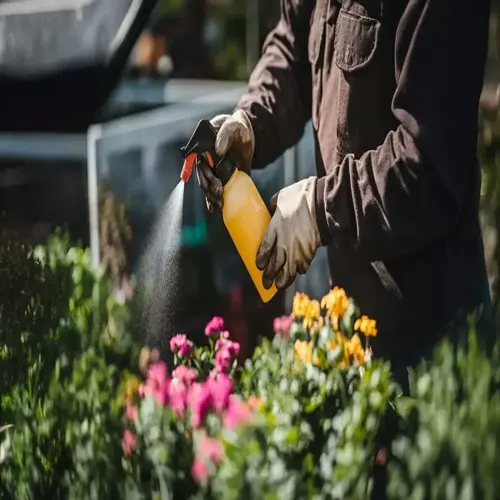
- Risk factors: Spraying in direct sun, using more than 2 tablespoons per gallon (3.8 liters), or adding dish soap to the mix all make leaf scorch epsom salt damage much worse.
- Prevention: If you must spray your plants, do it in the early morning or late evening when temps are cooler and your leaves have time to absorb the mix before the sun hits them.
Groundwater Contamination
- What happens: Epsom salt dissolves fast in water and up to 49% can leach through soil in a single watering, carrying dissolved minerals into the groundwater contamination zone below your garden.
- Environmental concern: UMN Extension warns that excess magnesium increases mineral levels in water that moves through soil, which can affect well water in rural areas.
- Scale of risk: One home garden poses a modest risk on its own, but routine Epsom salt use across a whole area can create a bigger water quality problem over time.
If you think you've used too much epsom salt, don't panic. Flush your beds with clean water 3 to 4 times before you plant again. Then get a lab soil test to see where your magnesium levels stand. Home test kits won't cut it here. Clemson Extension warns they give results you can't trust for this kind of reading.
Epsom Salt Alternatives
Epsom salt isn't your only option for fixing low magnesium. When I tested my garden soil last spring, I found out that dolomitic limestone was a better fit than Epsom salt for my beds. The best epsom salt alternatives garden stores carry depend on what else your soil needs. A slow-release fertilizer with magnesium works great when your pH is already fine.
The table below lists the top natural magnesium sources plants can use and how much magnesium each one packs. I put organic compost magnesium last because its levels change from batch to batch. But compost still helps your plants through better soil structure and stronger microbial life.
Your best pick comes down to what your soil test shows. If you need magnesium plus a pH boost, go with dolomitic limestone. If you just need a fast magnesium fix and your pH is already in range, Epsom salt or kieserite gets you there. Think of it as picking the right tool for the right job in your garden.
Potting Media and Magnesium
Your potting mix magnesium levels change based on what the mix is made from. When I tested this myself with epsom salt container plants, the results were clear. I switched from a peat based mix to a coir blend for my epsom salt houseplants. The yellow leaves went away in just a few weeks without any change to my epsom salt indoor gardening dose.
NC State Extension found that peat moss locks up magnesium and makes it harder for roots to grab. Coir does the opposite and releases magnesium so your plants can use it right away. The table below shows you how these two common container gardening mixes compare for keeping your plants fed.
For your epsom salt houseplants, NC State suggests about 1 teaspoon per 3 gallon pot as a safe starting dose. Use that rate once a month during the growing season and watch for changes. If your plant is in a coir mix, you may not need Epsom salt at all since the medium already makes magnesium easier to reach.
5 Common Myths
Epsom salt prevents blossom end rot on tomatoes and peppers by supplying essential minerals to the fruit.
Blossom end rot is caused by calcium deficiency, and adding extra magnesium actually blocks calcium absorption, making the problem worse.
Sprinkling Epsom salt around plants keeps slugs, deer, and other garden pests away from your crops.
No university research supports Epsom salt as a pest deterrent, and any temporary salt barrier dissolves after rain or watering.
Soaking seeds in an Epsom salt solution before planting makes them germinate faster and produce stronger seedlings.
A multi-state study involving five states and six independent testers found no germination improvement from Epsom salt soaking.
Every plant in the garden benefits from a regular dose of Epsom salt mixed into the soil or water supply.
Most garden soils already contain enough magnesium, and adding more without a soil test can cause salt buildup and nutrient imbalances.
Epsom salt works as a complete fertilizer that can replace standard plant food for flowers and vegetables.
Epsom salt only supplies magnesium and sulfur, missing the nitrogen, phosphorus, and potassium that plants need most for healthy growth.
Conclusion
Epsom salt for plants is neither a garden miracle nor a scam you should avoid. The balanced view from all 5 university extension sources in this guide says the same thing. Magnesium sulfate helps when your soil needs it and hurts when it doesn't. A soil test magnesium check is the only way to know which camp your garden falls into.
When I first started testing before adding anything to my beds, my whole approach to plant nutrition changed. I stopped wasting money on products I didn't need. I also stopped causing damage I didn't know I was doing. The $20 lab soil test is the best investment you can make before you buy any garden supplement.
If you've already added too much Epsom salt this season, you can still recover. Flush your garden beds with clean water 3 to 4 times before the next planting season to push built up salts out of the root zone. Then get a fresh lab test to confirm your levels are back in a safe range for your crops.
Here's the one rule to follow from now on: test your soil, and if magnesium is low, apply Epsom salt at the right rate for your plant type. Skip the internet trends and trust the data. That single habit will give you better results than any gardening hack you'll find online.
External Sources
Frequently Asked Questions
What plants should you put Epsom salt on?
Tomatoes, peppers, roses, and eggplants are the most common plants that may benefit from Epsom salt when a soil test confirms low magnesium levels.
What plants should you not use Epsom salts on?
Avoid using Epsom salt on beans, peas, leafy greens like lettuce and Swiss chard, and sage, as these plants tolerate low magnesium and rarely need extra.
When should you not use Epsom salt?
Do not use Epsom salt when your soil already has adequate magnesium, when plants show blossom end rot, or when you have not performed a soil test.
Is Epsom salt necessary for plants?
Epsom salt is not necessary for most plants because typical garden soils already contain enough magnesium for healthy growth.
Do all indoor plants like Epsom salt?
No, most indoor plants do not need Epsom salt because standard potting mixes and balanced fertilizers already supply adequate magnesium.
How much Epsom salt should I use per plant?
For most garden plants, dissolve 1 to 2 tablespoons of Epsom salt per gallon of water and apply as a soil drench once per month during the growing season.
Can Epsom salt burn plants?
Yes, Epsom salt can burn plants through leaf scorch when sprayed as a foliar treatment and through salt buildup in soil when over-applied.
Does Epsom salt change soil pH?
No, Epsom salt does not change soil pH. If you need to adjust pH and add magnesium at the same time, use dolomitic lime instead.
How often should I apply Epsom salt to my garden?
Apply Epsom salt no more than once per month during the active growing season, and only if a soil test confirms magnesium deficiency.
How do you fix magnesium toxicity in soil?
Flush the soil with clean water to leach excess magnesium, stop all Epsom salt applications, and get a follow-up soil test before adding any amendments.