
Yes, Epsom salt burn plants through two main paths. Leaf scorch from foliar sprays hits fast, and salt buildup from soil over-use builds up over time. Many of you assume Epsom salt is safe because it sounds natural. But too much or bad timing causes real harm to your plants that takes weeks to fix.
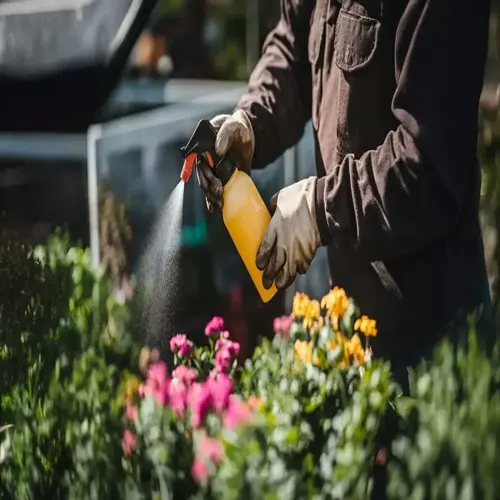
The leaf scorch epsom salt causes from spray use happens quick and looks bad. I sprayed a diluted mix on my tomato leaves one sunny afternoon. By the next morning, brown crispy patches covered the leaves. The spray water dried within minutes in the sun and left salt crystals on the leaf surface. Those crystals pulled water out of the leaf cells and killed the tissue. UMN Extension lists leaf scorch as a proven risk of foliar Epsom salt use, and my burned tomatoes proved that right.
The second type of epsom salt plant damage takes longer to show but hurts just as much. When you drench your soil with Epsom salt over and over, the salts pile up in your root zone. Clemson Extension says this extra salt creates conditions that block water from reaching your roots. Your plants get dark blue-green leaves and growth slows way down. You water on schedule but your plants still look stressed because the salty soil works against them.
You can spot burn damage by checking for a few warning signs. Your leaf edges turn brown and crispy first, starting at the tips. Lower leaves yellow and drop faster than normal. The soil surface gets a white crusty coating near the stem. Your roots may turn dark and soft if the salt level gets high enough. Any mix of these signs after you apply Epsom salt points to over-use as your cause.
Your container plants face the highest burn risk because salts have nowhere to go. A garden bed can spread extra salts through a bigger area of soil. But your pot traps everything in a small space. Each treatment adds more salt to the same small volume. After three or four rounds, the salt in your pot can climb high enough to hurt roots even at normal doses.
If you must spray your leaves, do it in the early morning or late evening when temps drop below 85°F (29°C) and the sun is weak. Never add soap to the mix because it makes the spray stick to your leaves longer and raises scorch risk. For soil that already has salt buildup, flush your pots with clean water equal to twice the volume. For your garden beds, run two inches of plain water through. Wait four weeks and test your soil before you add anything else.
Read the full article: Epsom Salt for Plants