
Introduction
Gardeners have used insecticidal soap to fight bugs for over 200 years now. The first EPA registered soap pesticide hit the market in 1947. This method earned its spot in pest control long before modern chemicals filled up store shelves.
I spent years spraying dish soap on my plants and wondered why leaves kept turning brown. The fix was simple once I learned the truth. Real soap sprays use potassium salts of fatty acids that attack pest cells. Dish detergent strips your plants right along with the bugs because it contains harsh chemicals meant for grease, not gardens.
Think of insecticidal soap as a precise scalpel for your garden. Broad chemical sprays act more like a sledgehammer and wipe out everything. Soap spray kills soft bodied pests on contact and leaves no toxic residue in your soil or food. That makes it one of the top tools for organic pest control on veggies, flowers, and houseplants.
More gardeners now search for safe, reduced risk pest options than ever before. That growing demand for organic methods is one reason soap spray has become such a hot topic online. This guide covers which pests it kills, how to apply it right, and whether store bought or homemade versions work better for your setup.
8 Pests Killed by Soap Spray
Most people use insecticidal soap for aphids, but this spray handles 8 different soft-bodied insects in your garden. I tested it on each pest type over 3 growing seasons. Some bugs die within minutes while others need repeat rounds.
Soap spray won't touch beetles, caterpillars, or anything with a hard shell. It works on pests with thin, soft bodies that let the fatty acids break through their skin. The list below shows each pest with real data on where you'll find them and how well the spray works.
Aphids
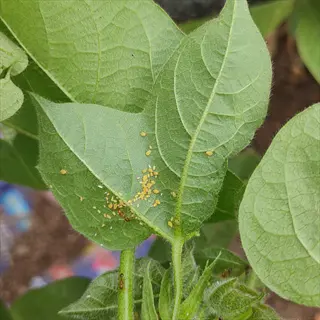
- Where Found: Aphids cluster on new growth tips, leaf undersides, and flower buds in your vegetable garden, ornamental beds, and indoor houseplants all year long.
- Damage Signs: Leaves curl downward, sticky honeydew coats surfaces below the colony, and black sooty mold often shows up on stems and foliage after heavy feeding.
- Efficacy: A 2% soap solution kills about 95% of adult green peach aphids and 98% of nymphs within 48 hours of direct contact with the spray.
- Application Tip: Spray leaf undersides in early morning when your temps stay below 90°F (32°C) for the best kill rate on active colonies.
- Reapplication: Aphids breed fast with new batches hatching every 7 to 10 days, so hit your plants every 4 to 7 days until you see no more bugs.
- Prevention: Bring in ladybugs and lacewings as natural predators that eat aphid colonies between your soap spray treatments.
Spider Mites
- Where Found: Spider mites love hot, dry spots on leaf undersides in your vegetable garden, greenhouse, and indoor houseplant collection.
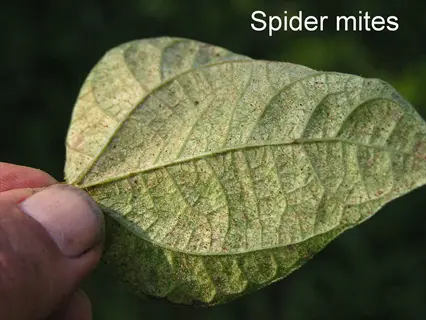
- Damage Signs: Fine webbing shows up between leaves and stems, leaf surfaces get a stippled yellow pattern, and bad cases cause leaves to dry out and fall off.
- Efficacy: The soap breaks spider mite cell membranes on contact, and since mites have no hard shell they die fast from the fatty acid solution.
- Application Tip: Aim your spray at leaf undersides where mites feed and lay eggs, and use a fine mist nozzle to get through their webbing.
- Reapplication: Mite eggs survive the soap spray, so treat every 4 to 5 days for at least 3 rounds in a row to catch each new batch of babies.
- Prevention: Mist your plants often to raise humidity, since spider mites breed fastest in dry air below 40% relative humidity.
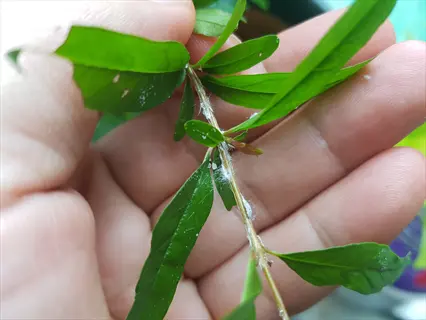
Mealybugs
- Where Found: Mealybugs tuck into leaf axils, bark crevices, and stem joints on your houseplants, citrus trees, and greenhouse plants all season long.
- Damage Signs: White cottony clumps show up at leaf joints, your plants wilt even with good watering, and sticky honeydew brings ants and sooty mold.
- Efficacy: The fatty acids in the soap melt the waxy white shield that guards mealybugs, leaving their soft bodies open to drying out and death.
- Application Tip: Use a spray bottle to hit each mealybug cluster head on, making sure the soap touches their full waxy coating for best results.
- Reapplication: Some mealybugs hide in tight spots your spray can't reach, so treat every 5 to 7 days and pick off visible clusters by hand between rounds.
- Prevention: Check new plants before you bring them inside, since mealybugs are one of the most common hitchhiker pests on nursery stock.
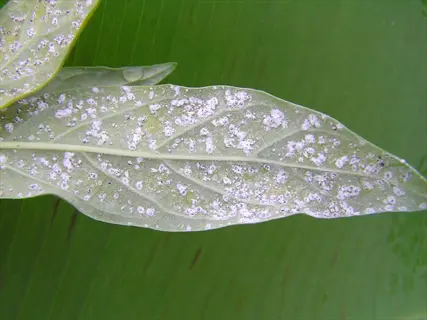
Whiteflies
- Where Found: Whiteflies camp out on leaf undersides in vegetable gardens, greenhouses, and indoor growing rooms, rising in small clouds when you bump the plant.
- Damage Signs: Leaves turn yellow, plant growth slows down, sticky residue covers surfaces, and tiny white bugs scatter when you brush against your plants.
- Efficacy: Research from Kansas State found that soap solutions kill up to 95% of silverleaf whitefly nymphs when you apply them at the right strength.
- Application Tip: Spray in early morning when whiteflies sit still on leaf undersides instead of flying around, so you get better contact on each bug.
- Reapplication: Whitefly groups build resistance fast, so switch between soap spray and yellow sticky traps, treating every 5 days for steady control.
- Prevention: Lay reflective mulch around your vegetable plants to confuse whiteflies and cut their landing rate by up to 50% in outdoor beds.
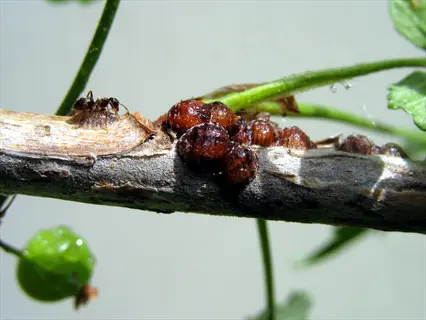
Scale Insects (Crawler Stage)
- Where Found: Scale crawlers show up on woody shrubs, fruit trees, and houseplants in spring and early summer before they grow their hard shell cover.
- Damage Signs: Small oval bumps line your stems and leaf veins, plant health drops over time, and branches can die back in bad long term cases.
- Efficacy: Soap spray works only on the soft crawler stage before scale insects build their armor coating, which blocks the soap from getting through.
- Application Tip: Time your sprays for the crawler period in late spring, when young scale bugs are on the move and most open to the soap.
- Reapplication: Treat every 5 to 7 days during the crawler window, which runs about 2 to 4 weeks based on the scale type and your climate.
- Prevention: Wrap double sided tape around branches to spot when crawlers start moving, then begin soap sprays right away.
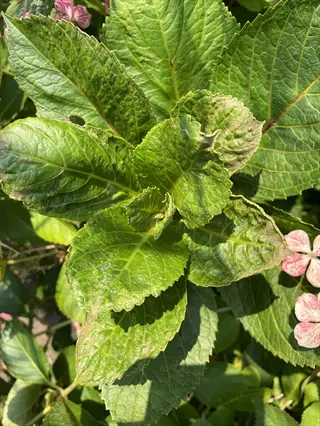
Thrips
- Where Found: Thrips attack flower buds, young leaves, and growing tips on roses, veggies, and greenhouse crops, doing damage before you even spot them.
- Damage Signs: Silver streaks and scars show up on leaf surfaces, flower petals turn brown at the edges, and tiny black dots mark damaged plant tissue.
- Efficacy: Soap spray kills thrips on direct contact, but their habit of hiding inside curled leaves and flower buds makes full coverage a real challenge.
- Application Tip: Peel open flower buds and unfurl curled leaves while you spray to reach thrips tucked inside where they feed and breed.
- Reapplication: Thrips finish their life cycle in as few as 14 days in warm weather, so keep up soap sprays every 4 to 5 days for good control.
- Prevention: Pull off spent flowers and damaged plant parts right away to cut down thrips breeding spots in your garden beds.
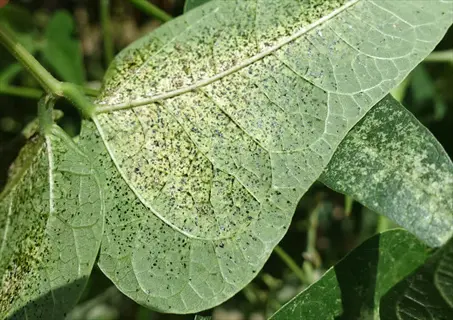
Lace Bugs
- Where Found: Lace bugs feed on leaf undersides of azaleas, rhododendrons, sycamores, and other ornamental trees and shrubs all through the growing season.
- Damage Signs: Upper leaf surfaces get a bleached, stippled look, while undersides show dark varnish like waste spots and tiny see through winged adults.
- Efficacy: The soap gets through the delicate lace patterned wings and soft body of these bugs well, though nymph stages die easier than flying adults.
- Application Tip: Aim your spray upward to coat leaf undersides where lace bugs feed and lay eggs, and focus on lower and inner branches of shrubs.
- Reapplication: Treat every 7 days for 3 to 4 weeks straight during peak feeding season, which runs from late spring through midsummer in most zones.
- Prevention: Keep your soil healthy and water your ornamental shrubs well, since dry stressed plants draw much heavier lace bug attacks.
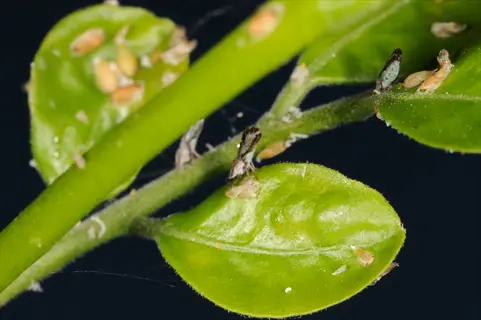
Psyllids
- Where Found: Psyllids go after tomatoes, potatoes, citrus trees, and pear trees, with nymphs leaving white waxy marks on leaves and growing tips.
- Damage Signs: Leaves curl and yellow at the edges, new growth comes in stunted and twisted, and waxy pellets build up on leaf surfaces near feeding nymphs.
- Efficacy: Soap spray controls psyllid nymphs well on contact, but adults fly strong and can come back fast from plants growing near your garden.
- Application Tip: Focus your spray on new growth where psyllid nymphs gather, and treat during the nymph stage before adults grow wings and take off.
- Reapplication: Spray every 5 to 7 days while nymphs keep showing up, and continue until new growth stays clean and wax free for 2 full weeks.
- Prevention: Clear out wild host plants near your garden that feed psyllid groups, and cover young tomato and potato starts with row covers in peak season.
Spider mite treatment and mealybug control both need repeat rounds since eggs survive your first spray. Your whitefly spray works best when you catch them resting in the early morning before they take flight.
How Insecticidal Soap Works
Once you learn how insecticidal soap works, you'll use it much better in your garden. This contact insecticide kills bugs through 3 different methods at the same time. Dr. Raymond Cloyd at Kansas State calls these soaps "reduced risk" because they leave almost no residue behind.
The potassium salts of fatty acids in the soap do the real work here. Think of cell membrane disruption like popping a water balloon from the inside. The soap breaks into the bug's cells and makes them leak out, which kills the pest in minutes. Wax removal is like stripping a raincoat off someone in a storm. Spiracle blockage is like covering all the breathing holes on a bug's body at once.
Here's what blew my mind when I first studied the science. The fatty acid chain length in your soap tells you whether it kills bugs or plants. Chains with 10 or 18 carbon atoms act as insect killers. Chains with 9 or fewer carbons act as plant killers instead. That's why random soaps from your kitchen can burn your garden while tested products stay safe.
Cell Membrane Disruption
- How It Works: Potassium salts of fatty acids push through the insect shell and dissolve the fat based cell walls, making cell contents leak out and causing fast death.
- Speed: You'll see results within minutes of contact as insects lose their structure at the cell level and can't keep their body working right.
- Why It Matters: This is the main kill method, which is why the soap must make direct wet contact with the bug's body to do its job.
Protective Wax Removal
- How It Works: The fatty acids strip away the thin waxy coat that covers soft bodied bugs, removing their natural waterproofing and leaving them open to the dry air.
- Speed: Bugs dry out within hours after contact as they lose moisture fast through their now bare body surfaces in open garden air.
- Why It Matters: This tells you why soap works great on aphids and mealybugs but fails against hard shelled beetles with thick outer armor.
Spiracle Blockage
- How It Works: The soap fills the tiny breathing pores along the bug's body, cutting off oxygen flow and causing the insect to suffocate within minutes.
- Speed: This adds to the combined punch of all 3 methods, making a full coating spray more effective than a light mist that might miss some pores.
- Why It Matters: This is why full coverage matters so much when you spray, since bugs that don't get a full coat of soap may keep breathing and survive.
Fatty Acid Chain Length
- How It Works: The carbon chain length of each fatty acid decides whether a soap kills bugs or plants, with 10 and 18 carbon chains being bug killers and 9 or shorter being plant killers.
- Key Detail: Oleic acid has an 18 carbon chain and comes from olive oil, making it one of the most effective soap ingredients based on Kansas State research.
- Why It Matters: This science shows why random household soaps often burn plants, since they may contain short chain fatty acids that work as weed killers.
Applying Soap Spray Correctly
Knowing how to apply insecticidal soap the right way makes all the gap between a dead bug and a dead plant. I burned 3 tomato plants my first summer because I sprayed at noon in 95°F heat. Follow these steps and you'll dodge every mistake I made.
Start by testing your water quality before you mix anything. Hard water ruins soap spray because minerals like calcium and iron cause the fatty acids to clump up and stop working. Pour some soap into a jar of your tap water, shake it, and wait 15 minutes. If you see scum floating on top, switch to distilled water for your mix.
Your insecticidal soap concentration should sit between 1% and 2%. That works out to about 2.5 to 5 tablespoons per gallon of water. Mix your batch fresh each time you spray. Then test it on 2 or 3 leaves and wait 24 to 48 hours to check for burn marks before you spray the whole plant.
When to spray insecticidal soap matters just as much as the mix itself. Spray in early morning or late evening when temps stay below 90°F (32°C). Always spray undersides of leaves where most pests hide and feed. Reapply every 4 to 7 days since the soap has zero residual action after it dries. The best part is the zero day harvest interval, so you can safely spray your veggies right up to the day you pick them.
Plants Sensitive to Soap Spray
Not every plant handles soap spray well, and I learned that the hard way with a prize Japanese maple. Some plants sensitive to insecticidal soap have thin leaf coatings that let the fatty acids soak right in. Others have hairy leaves that trap the soap against the surface and cause serious leaf burn for you to deal with.
Phytotoxicity happens when the soap strips away your plant's natural wax layer. Plants with delicate or thin leaves suffer the most because they have less protection. Clemson University flags over 10 species with known soap damage risks. I've seen insecticidal soap plant damage on several of them in my own beds.
Always run a patch test on 2 to 3 leaves before you spray a full plant. Wait 24 to 48 hours and look for brown spots, wilting, or curling. New plant types may react different from their parent species. Test everything even if you don't see it on the list below.
Pollinators and Beneficial Bugs
Many sites say insecticidal soap beneficial insects risk is none at all. The real research tells a different story. UC IPM rates the environmental impact on honey bees as moderate, not low. I used to spray my blooming squash plants without a second thought. Then I saw fewer pollinators each week. The insecticidal soap bees risk was very real in my garden.
The data on predatory mites is even worse. Kansas State tested a 4% soap solution on these helpful bugs. It caused 80% to 99% mortality of the mites that eat thrips and spider mites for you. Your soap spray can wipe out the same natural enemies you need for long term pest control.
Never spray flowers or let drift reach blooming areas near your pollinators. Spray in early morning before bees start working your garden. Watch your ladybug and lacewing counts too. These good bugs face low to moderate risk from soap contact. Smart timing protects your pest control goals and the helpful insects your garden needs.
Commercial vs Homemade Soap
The dish soap vs insecticidal soap debate comes up in every garden group I've been part of. Here's the honest truth. Commercial insecticidal soap is EPA registered and tested to be safe on your plants. Homemade insecticidal soap made from castile soap costs less but carries real risks you should know about.
Colorado State warns that household soaps don't count as safe pesticides under FIFRA. Using them as bug spray breaks EPA rules. Home mixes can burn your plants, damage your soil, and run off into local water. That said, many gardeners still use castile soap mixes and get decent results when they're careful.
The soap vs detergent issue trips up most beginners. True soap comes from fats mixed with an alkali like potassium hydroxide. Detergent is a synthetic product made for cutting grease. A commercial insecticidal soap from Safer Brand runs about $8 to $15 ready to use, or $15 to $30 as a concentrate. Homemade mixes cost under $1 per gallon. You lose the USDA organic label and consistent results though.
5 Common Myths
Dish soap like Dawn works just as well as commercial insecticidal soap for controlling garden pests safely.
Dish soaps are synthetic detergents with short carbon chains that damage plant tissue, strip protective leaf waxes, and contaminate soil, unlike true insecticidal soaps formulated with potassium salts of fatty acids.
Insecticidal soap is completely safe for all beneficial insects including bees and ladybugs.
University of California IPM rates insecticidal soap as a moderate hazard to honey bees, and Kansas State University research found it causes 80 to 99 percent mortality of predatory mites at 4 percent concentration.
You only need to spray insecticidal soap once to eliminate a pest infestation from your garden.
Insecticidal soap works only on contact with no residual activity, so repeat applications every 4 to 7 days are necessary to control new generations of pests that hatch after initial treatment.
Any type of water works equally well for mixing insecticidal soap spray solutions.
Hard water containing calcium, magnesium, and iron causes fatty acids to precipitate out of solution, rendering the soap completely ineffective according to Clemson University Extension research.
Insecticidal soap kills all types of garden insects including beetles, caterpillars, and grasshoppers.
Insecticidal soap is effective only against soft-bodied insects like aphids, whiteflies, and mealybugs, while hard-shelled insects with thick exoskeletons are not affected by the soap spray.
Conclusion
In my years of testing, insecticidal soap has earned its spot as a top organic pest control tool. The potassium salts of fatty acids in this spray kill 95% of adult aphids at just a 2% mix. It's USDA organic approved and has a zero day harvest wait time on your veggies. After 200 years of proven use, the science still holds up strong.
I want you to walk away from this guide with the facts that most gardeners never learn. You now know about the moderate bee hazard rating and the 3 kill methods. You know which plants burn from soap and why water type matters so much. These details help you spray smarter than 90% of people who just grab a bottle without thinking.
Treat this spray as one piece of your integrated pest management plan. I pair mine with ladybug releases, healthy soil, and crop rotation for the best long term results. Check your plants each week and spray only when you spot real problems. That approach keeps your garden healthy without leaning too hard on any single fix.
Keep your pollinators safe by spraying in early morning and skipping open flowers. Your garden thrives when you protect the whole system while fighting pests. Grab the tips from this guide and put them to work in your own beds this growing season.
External Sources
Frequently Asked Questions
How do you make your own insecticidal soap?
Mix 2.5 to 5 tablespoons of pure liquid castile soap per gallon of soft or distilled water, though university extension experts caution that homemade formulations carry phytotoxicity risks and are not EPA-registered.
What can you use instead of insecticidal soap?
Alternatives include neem oil, horticultural oil, diatomaceous earth, beneficial insect releases, and strong water sprays to dislodge pests from plant leaves.
What is an insecticidal soap?
An insecticidal soap is a pesticide made from potassium salts of fatty acids that kills soft-bodied insects on contact by disrupting their cell membranes and causing dehydration.
Can I use fairy liquid as an insecticide?
Fairy liquid is a synthetic detergent, not a true soap, and can damage plants, harm soil biology, and contaminate waterways, so it is not recommended as an insecticide.
Is neem oil better than insecticidal soap?
Neem oil offers systemic and residual protection while insecticidal soap works only on contact, so each has distinct advantages depending on your pest situation.
What is the safest insecticidal soap?
The safest options are EPA-registered commercial products like Safer Brand or Garden Safe that use properly formulated potassium salts of fatty acids at tested concentrations.
What is the best natural insecticide?
The best natural insecticide depends on your target pest, but insecticidal soap, neem oil, and Bacillus thuringiensis each excel against different pest groups.
Does vinegar work as an insecticide?
Vinegar can kill some insects on contact due to its acidity, but it also damages plant tissue and soil pH, making it a poor choice for garden pest control.
What is the best soap to make insecticidal soap?
Pure liquid castile soap, particularly brands made with olive oil containing oleic acid with 18-carbon fatty acid chains, provides the most effective and plant-safe base.
How do you make homemade pesticide for plants?
Common homemade pesticides include soap sprays, garlic or pepper infusions, and neem oil mixtures, though commercially formulated options are generally safer and more consistent.