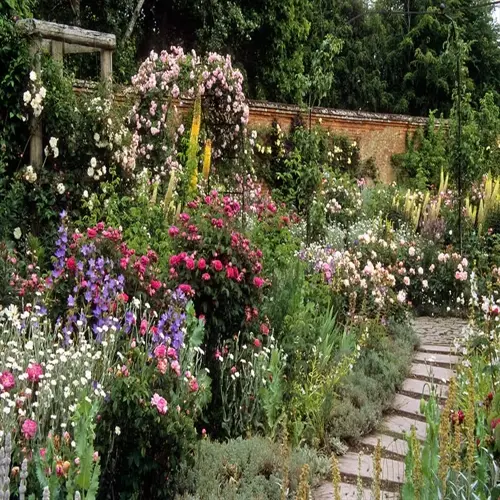
No. Sun needs vary by species, and flowering bush sun needs run the whole range from shade to wide open sun. Buttonbush wants shade. Common witch hazel flowers best in full sun. Put either one in the other's spot and you get a shrub that lives but barely blooms. That is one common reason a bush sold as a reliable bloomer never quite delivers.
Light also moves. A bed that reads as full sun in June can read as shade by September, once the nearby trees have filled out and the sun tracks lower across the sky. Check the same patch of ground in two different months and you can get two different answers. The reading you want is the one from the season your shrub is meant to be flowering in.
Those published exposure notes are per-species requirements, not soft suggestions. A shrub set in light it was not chosen for pays for it twice. Flowering drops off first, and general health follows, since leaves can scorch in too much sun and growth can go thin and leggy in too little. Neither problem gets fixed later with extra water or feeding.
The shade list is longer than most people expect. Penn State Extension puts buttonbush in light shade to shade with wet soil, and it blooms right through the summer. Mountain-laurel wants part afternoon shade along with loose, well drained acid soil. Spicebush takes partial shade and will handle full sun if you keep the water coming, and it reaches 6 to 12 feet (1.8 to 3.7 m). That is three flowering shrubs for shade, each with its own soil demand.
The sun side is simpler. Witch hazel is the strict one, and its bloom is heaviest with open light all day. Black chokeberry grows anywhere from part shade to full sun, which makes it the flexible pick among these full sun flowering shrubs. Summersweet spans full sun to partial shade as well, though it asks for moist acidic soil and settles at about 6 feet (1.8 m). Both of those two still bloom in a bed that loses its sun by mid afternoon.
Light is not the only thing the site decides for you. Buttonbush pairs its shade tolerance with wet soil, so a low corner that stays soggy for a day after rain is the spot it wants. Mountain-laurel asks for the opposite drainage, loose and well drained, plus acid ground and that afternoon shade. Get the light right and the soil wrong and you are back where you started.
Watch the spot across a full day before you buy anything. Stand there at 9 in the morning, at 1, and again at 5, and note which of those hours put direct light on the ground where the roots will sit. Write the hours down, because memory smooths over the gaps. Four hours of morning sun with shade after that is a real, usable condition, and it rules out witch hazel while it rules in mountain-laurel.
Matching the plant to the site beats correcting the site later. You can water a spicebush through a bright summer. But you cannot shade a buttonbush stranded in an open lawn, and you cannot hand a witch hazel more light than the trees leave it. Buy for the light you actually have, and the flowering takes care of itself.
Read the full article: 10 Flowering Bushes and How to Pick One