
Most azaleas stay outside in winter without any trouble. These are tough woody shrubs that handle cold seasons on their own as long as you plant a type rated for your USDA hardiness zone. You don't need to bring them indoors or dig them up when frost arrives.
Azalea winter hardiness varies a lot by hybrid group, so check the tag before you buy. Northern Lights varieties take the worst cold and survive down to -40°F (-40°C) in zone 3. Gable hybrids handle temperatures to -5°F (-21°C), while Glenn Dale types tolerate about -10°F (-23°C). Match your zone to the right group and your plants will come through winter fine.
In my experience, shelter makes all the difference between a healthy plant and a dead one. I watched two azaleas of the same type sit about 30 feet apart in the same yard after a brutal winter. The one tucked behind a garage wall came through with green leaves and fat buds ready to pop. The exposed one had bark splitting down the trunk and half its branches were brown by March. Same plant, same soil, but one had a windbreak and the other sat in the open.
MU Extension points to two main winter enemies: direct sun and freezing wind. Bright sun on a cold day heats the bark on one side of the trunk while the other side stays frozen. That gap in temperature cracks the bark wide open. Wind strips moisture from leaves faster than cold roots can replace it. If you see your evergreen azalea curl its leaves tight on a freezing day, don't worry. That's a normal response that cuts down the leaf area exposed to drying gusts.
Good azalea cold protection starts with a burlap windbreak on the side that gets the most winter wind. Drive two stakes into the ground and staple burlap between them. This blocks harsh gusts without trapping moisture against the branches. Keep the burlap a few inches away from the foliage so air can still flow around the plant.
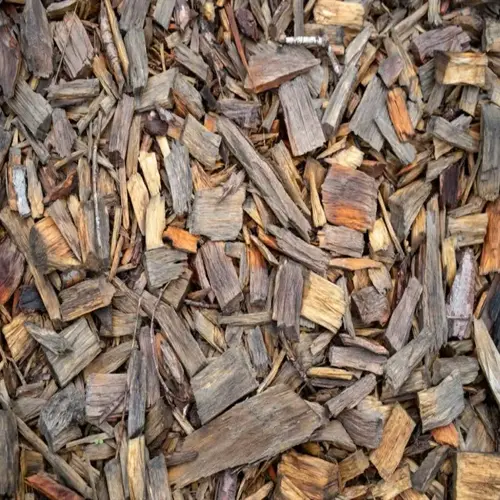
Add 3 to 4 inches of mulch around the root zone before the ground freezes hard. Pine bark or pine straw works best because it keeps the soil acidic while it insulates the fine roots from wild temperature swings. Pull mulch back a couple inches from the trunk so moisture doesn't sit against the bark and cause rot problems.
Water your azaleas deep one last time in late fall before the soil hardens up for good. Roots that go into winter well hydrated resist cold damage far better than dry ones do. I tested this on two identical plants a few years ago. The watered one had zero dieback in spring. The dry one lost three major branches. This single step prevents more winter loss than most people think, and it costs nothing but a few minutes with a garden hose.
Read the full article: Azalea Bush Care and Growing Guide