
Introduction
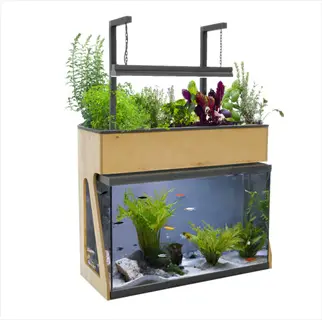
Aquaponics is aquaculture and hydroponics working as one system. That is how the USDA National Agricultural Library defines it, and the loop behind it stays simple. Fish waste feeds the plants, the plants clean the water, and most of that same water flows back to the fish tank. A 2024 review by Zamnuri and colleagues put water loss at 0.3% to 5%, most of it through the leaves, against the 10% seen in traditional farming.
The nitrogen cycle does the work. Bacteria turn fish ammonia into nitrite and then nitrate, and once that cycle settles in, it feeds your crop and cuts the fertilizer you have to buy. Cost decides whether an aquaponics system lasts. Feed accounts for over 50% of variable production costs at most small operations, and power takes close to 30%, both numbers from that same review.
Treat the water savings figures with care. Each one uses a different baseline. The 3% number from Vasdravanidis and colleagues measures a system against raceway trout farming. A 2014 Love paper is where the 90% less water line starts, and that one compares against conventional fish and crop farming. Soilless growing does save water. How much depends on what you compare it to, and no single percentage covers every case.
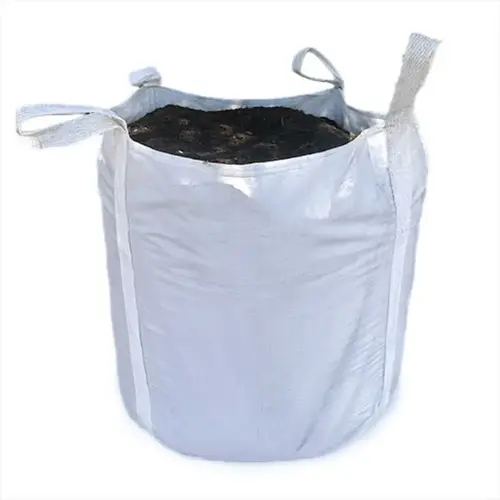
Money and climate settle most of the rest. Franchini and colleagues priced a small-scale build on a repurposed 275-gallon (1,040 L) tote at $405.35 in 2023 parts, well under turnkey pricing. It still needs a pump that runs day and night. Love and colleagues surveyed 257 commercial growers and found the ones in hardiness zones 7 through 13 carried about four times the odds of turning a profit. Cold weather means heat, and heat means power. Put the fish and plants somewhere you can afford to warm.
The Aquaponics Loop Is Simple
A septic drain field feeds the lawn above it. Waste water spreads through the gravel, soil bacteria break it down, and the grass roots pull up what is left, which is why that one strip of yard stays greener than everything around it. How aquaponics works is the same trade moved above ground, where you can see every part of it. Fish make the waste, bacteria do the conversion, and plants do the cleaning.
Okomoda and colleagues put the two halves side by side. One half is hydroponics. The other is a recirculating aquaculture system, and that means the same water goes around and around past the fish. Such a system reuses 80% to 99% of its water rather than dumping it down a drain. Yours still needs about 10% of the volume swapped out. Some water leaves through the leaves of the crop. More goes out in the buckets you carry on cleaning day. Top the tank off every week.
Fish eat a prepared feed and excrete ammonia into the tank water, which is where the plant nutrients in the system come from.
Nitrifying bacteria colonize the media and the biofilter, turning ammonia into nitrite and then into nitrate.
A pump moves the nitrate-rich water to the grow bed, raft, or channel where the plant roots sit.
Roots draw nitrate and other dissolved minerals out of the water as the crop grows.
The water drains back to the tank carrying a lower nutrient load, and the loop starts again.
Aquaponics is the practice of combining aquaculture and hydroponics (growing plants without soil) into one system.
What you are really growing here are the beneficial bacteria living in your media and your biofilter. Nothing else in the tank turns fish waste into plant food. Water test kits read ammonia nitrite nitrate in that order. The nitrogen cycle runs in that same order. A young system needs weeks to build a colony big enough to keep up with feeding. Stock a fresh biofilter with full-grown fish and ammonia climbs fast enough to kill them.
None of this is new. Research on it started in the early 1970s. The New Alchemy Institute and North Carolina State University share that credit. The design that shaped commercial systems arrived in the 1980s. It came out of Dr. James Rakocy's team at the University of the Virgin Islands. The chemistry has not changed since, so a backyard tote and a big greenhouse run the same reactions at different scales.
System Types Compared
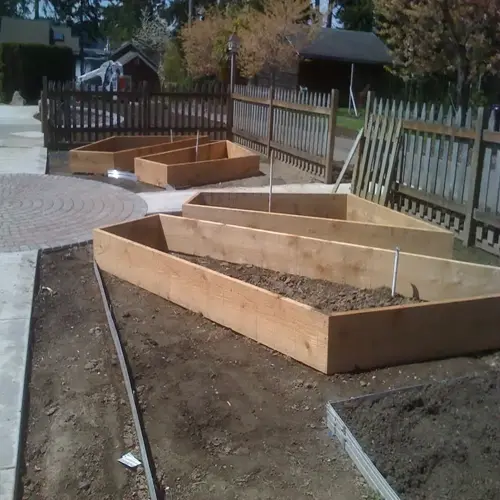
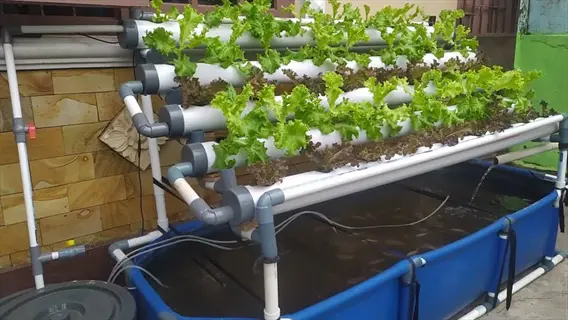
Almost every build you will see falls into four types of aquaponics systems, and what separates them is how the roots are held. A media bed parks roots in clay pebbles or expanded shale. Deep water culture floats them on rafts over standing water. Nutrient film technique sends a thin stream through narrow channels, and Dutch buckets give each plant its own container instead of one shared bed.
So which one do growers actually pick? Media beds, by a wide margin. Okomoda et al. report that 86% of surveyed practitioners used media-based planting units. Growers in that survey considered it the most common and popular method. Popularity is not a recommendation though. It tells you what people built, not what suits your crop, your space, and your budget.
The scale of a first build is smaller than most people picture. One published low-cost design is a media bed on a 275 gallon (1,040 L) tote holding about 53 gallons (200 L) of grow media. A single 400 gallons per hour (1,514 L per hour) pump moves the water. That is one tank, one bed, and one pump.
Start with a media bed if this is your first system. The pebbles hold your bacteria and your roots at the same time, so one bed does the filtering and the growing. Mixed crops share it without much fuss. Move to deep water culture or nutrient film technique later, once you are running one crop at volume and you know what your water does from day to day.
The Water Claims, Checked
Four water numbers circulate for aquaponics, and they do not measure the same thing. Ask about aquaponics water savings and one page tells you 90% less water, the next says 2% of what a farm uses, and the research behind both reports a 0.3% to 5% loss rate. Each figure sits against a different baseline. Side by side they tell you nothing.
Water use efficiency means nothing until you name what sits on the other side of the comparison. A loss rate says how much water leaves a running system in a week, and most of it goes out through the leaves. A savings percentage compares the total water needed to grow a crop against a conventional farm doing the same job. You are reading two separate questions. Blending them is how a modest finding turns into a headline.
Loss of 0.3% to 5% of system water
- Figure: Aquaponics systems typically lose 0.3% to 5% of their water, and most of that loss is plant transpiration rather than drainage.
- Baseline: The same review reports water loss in traditional farming observed at about 10%, which is the comparison being drawn.
- Source: Zamnuri and colleagues, writing in the journal Animals in 2024 after screening 769 papers on this subject.
- Caveat: This is a loss rate for a running system, not a claim about the total water needed to bring a crop to harvest.
About 3% of raceway aquaculture water
- Figure: Aquaponics uses only about 3% of the water required by the traditional raceway systems used in trout farming.
- Baseline: Raceway fish farming, not vegetable farming, so this figure answers a fish producer rather than a gardener.
- Source: Vasdravanidis and colleagues, writing in Animals in 2022 on rainbow trout culture under climate pressure.
- Caveat: The same paper puts plant biomass per volume of water at 5 to 10 times that of classical agriculture, which is a separate measurement again.
The widely repeated 90% less water
- Figure: The number most often seen online is that aquaponics uses 90% less water than the alternative.
- Baseline: Conventional commercial fish and crop production taken together, which is a broader comparison than most pages admit.
- Source: Reported by Okomoda and colleagues in 2023, who attribute the figure to Love and colleagues in 2014.
- Caveat: Quote it with that attribution attached rather than as a settled fact about every aquaponics system.
About 2% of irrigated-farm water
- Figure: Aquaponics has been reported to need about 2% of the water conventionally used on an irrigated farm growing a similar number of plants.
- Baseline: Irrigated field agriculture, measured per plant grown rather than per acre of land.
- Source: Reported by Okomoda and colleagues in 2023, attributed there to Rakocy and colleagues in 2004.
- Caveat: A different baseline again, which is exactly why the published percentages do not agree with each other.
Typically, water loss in aquaponics systems ranges from 0.3% to 5%, mostly owing to plant transpiration. In traditional farming, water loss was observed to be 10%.
The aquaponics yield claims travel the same road. Six times the harvest on one-sixth of the space is the line you meet everywhere. It reaches us through Okomoda and colleagues, who credit it to Nelson and Pade, a system manufacturer, in 2017. Keep that attribution attached when you repeat it. The peer-reviewed figure beside it is smaller and more useful to you. Plant biomass per volume of water runs 5 to 10 times that of classical agriculture.
None of this weakens the case for sustainable food production. Your plants drink most of what leaves the system, the rest evaporates, and the same tank raises fish at the same time. Just carry the baseline with the number. Plan around 90% less water and then meet a 10% weekly top-up on your 275 gallon (1,040 L) tote, and you have bought a headline instead of a system.
Water Quality That Keeps Fish Alive
Fog creeps up the window over the workbench by mid-morning, and the test vials lined up on the sill read a shade greener on some days than others. I watched pH drift from 6.6 to 7.4 across one week and the fish never blinked. Published aquaponics water quality ranges put pH at 6.0 to 8.0, not at one correct number.
The set below comes from a 2024 review of 114 small-scale studies, and each row guards something different. Your fish and the bacteria in the biofilter both pull from the same dissolved oxygen supply, so that reading is the one that turns bad fastest. Nitrite is the hazard, which is why the ceiling sits below 1 mg/L, and nitrate is the food, which is why its band runs high.
Hunting for the one right aquaponics pH level is where first builds burn months. The bacteria doing the conversion and the plants taking the nitrate up do not share one optimum, so the published window is wide on purpose. Temperature splits the same way. Vasdravanidis and colleagues studied a rainbow trout system, and in that one 70°F (21°C) suited the fish and the plants alike. That is one system's answer, not a target for yours.
The published pH range of 6.0 to 8.0 is a compromise between what the bacteria and the plants want, not one correct target to chase.
Water testing costs almost nothing to set up. Multifunction pH and TDS meters sell for $2 to $5, and the dissolved oxygen meter is the pricey one at $73 to $83. Total dissolved solids get their own published band of 400 to 700 ppm. Nitrate levels climbing into that 100 to 200 mg/L band are the reading you want, because that number is fish waste that has finished turning into plant food.
What Growers Actually Raise
Ask which species make the best fish for aquaponics and the peer-reviewed sources reviewed here never answer that. Not one of the studies ranks species by beginner suitability. What you get instead is a headcount. Love and colleagues surveyed 257 commercial operations and found tilapia in 69% of the tanks. Ornamental fish came second at 43%, catfish third at 25%, then perch at 16%, bluegill at 15%, trout at 10% and bass at 7%.
My spare barrel of goldfish outlived both fish tanks I built beside it. I went with tilapia aquaponics because 69% of surveyed growers do, and I kept the goldfish going as a second ammonia source while the main tank cycled. Trout show up in only 10% of operations, so I never bought any. The goldfish are still out there.
Feed protein is the number you buy on. Published guidance puts tilapia and catfish aquaponics feed at 30% to 40% protein, so you can feed both species out of one bag. Bass want 41% to 46%, which means you buy a separate feed and carry a separate line in your budget. Feed is over half of variable production costs in small operations, so that gap hits your wallet fast.
Tilapia
- Share of operations: Reported by 69% of the 257 operators in the international survey published by Love and colleagues in 2015.
- Feed protein: Published guidance puts tilapia feed protein at 30% to 40%, the same band reported for channel catfish.
- Feed cost: Feed is over 50% of variable production costs in small aquaponics businesses, so that protein band drives the budget.
- System envelope: Published aquaponics guidance puts pH at 6.0 to 8.0 and water at 70 to 84°F (21-29 °C) across these systems.
- Harvest scale: Surveyed operators reported a median annual harvest of 51 to 99 lbs (23-45 kg) of fish across all species raised.
- Adoption gap: No other species came close in that survey, with ornamental fish second at 43% and catfish third at 25%.
Ornamental fish such as goldfish and koi
- Share of operations: Ornamental fish were the second most reported group, appearing in 43% of surveyed operations.
- Role in the loop: They supply the ammonia that nitrifying bacteria convert into the nitrate the plants take up.
- Category note: The survey grouped ornamental fish as one category rather than reporting goldfish and koi separately.
- Revenue note: Love and colleagues found that selling non-food products alongside food was linked with profitability.
- Starting volume: Published guidance recommends a tank of 13 to 53 gallons (50-200 L), with a 13 gallon (50 L) tank supporting 50 to 100 small fish.
- Trade-off: The plants stay the harvested product, so the tank has to earn its keep some other way.
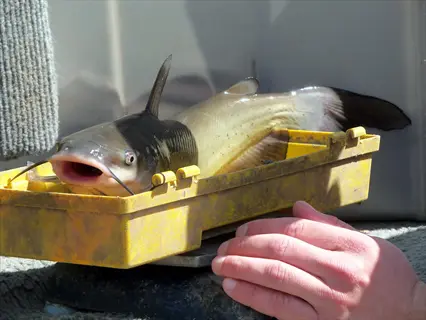
Channel catfish
- Share of operations: Reported by 25% of surveyed operations, placing it third behind tilapia and ornamental fish.
- Feed protein: Sits on the same 30% to 40% feed protein band as tilapia, which keeps feed buying simple.
- System envelope: Published guidance puts dissolved oxygen at 5.0 to 9.0 mg/L and nitrite below 1 mg/L in these systems.
- Survey context: The survey drew 257 respondents across 23 countries, with 81% of them living in the United States.
- Cost note: Feed is over 50% of variable production costs.
- Plant side: Median reported plant harvest alongside the fish was 99 to 498 lbs (45-226 kg) a year.
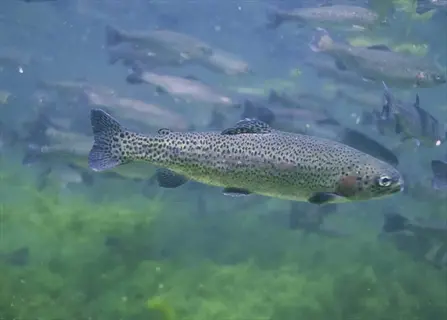
Rainbow trout
- Share of operations: Reported by only 10% of surveyed operations, well behind tilapia at 69% and catfish at 25%.
- Measured density: Low-tech aquaponic systems reached about 1.1 lbs per cubic foot (17 kg per cu m) without harming flesh growth or quality.
- Carcass yield: Carcass yield averaged 89.0% of slaughter weight in the study that measured it.
- Water advantage: Aquaponics used about 3% of the water needed by the raceway systems normally used in trout farming.
- Shared optimum: That studied system reported 70°F (21 °C) as the best temperature for both the fish and the plants.
- Measured lettuce: In the same trout system, marketable lettuce reached about 0.58 lbs per sq ft (2.82 kg per sq m) in the first cycle.
Plant numbers stay tied to the one system that produced each figure. One rainbow trout setup gave marketable lettuce at about 0.58 lbs per sq ft (2.82 kg per sq m) in the first cycle. The second cycle dropped to about 0.39 lbs per sq ft (1.89 kg per sq m). Treat that as one trout system, not as a number you can bank on for the best plants for aquaponics. Leafy greens are where the measured data sits, and lettuce is the crop you should measure first.
Why Aquaponics Ventures Fail
The aquaponics problems documented as ending a build were money problems, not water problems. Feed is over 50% of variable production costs in small operations, and that bill arrives every week whether the lettuce sells or not. Zamnuri et al. also report that 80% of small operators felt inadequately informed to pick their own equipment. Most people buy the tank first and read the research later.
The pump was silent when I opened the garage at 6 a.m., and the grow bed had already drained back into the tank. Heater, aerator and pump were all sharing the single outlet in that garage bay, and the strip had tripped some time in the night. Energy runs close to 30% of variable costs in small aquaponics businesses, so I had been watching the meter and not the wiring. A pump failure that runs a few hours costs you fish.
The technical failures move slower. Biofilter overload shows up as ammonia and nitrite climbing while the bacteria fall behind the fish you just added. Nutrient deficiency is the other one that keeps coming back, because fish feed does not cover everything a fruiting crop wants. Matching fish weight to plant area is a moving target for the first few months, and one disease in a closed system reaches every tank sharing that water.
- Power: Price a full month of pump, aerator and heater running before buying any fish, since energy is close to 30% of variable costs.
- Feed: Budget feed as the largest running line item, because it is over 50% of variable production costs in small operations.
- Backup: Decide in advance what happens to the fish if the pump stops for several hours. Battery air is the cheap insurance.
- Knowledge: Read the primary sources before buying a turnkey system. 80% of small operators said they felt inadequately informed.
- Scale: Expand only once your water test readings hold steady for weeks at the size you already run.
Two things drive the energy costs aquaponics owners pay, and both run around the clock. The pump moves water and the heater holds temperature, so a month of real meter readings tells you more than any build guide estimate. Take those readings before the fish arrive, not after.
Sweet Water Organics in Milwaukee and CERES in Melbourne both closed within five years, mainly on power costs. Treat electricity as the first number in any plan.
Common Myths
Aquaponics always uses 90% less water than farming, so one number settles the question for every system.
Published figures run from 0.3% to 5% water loss to about 2% of irrigated-farm water, because each one compares a different baseline.
Fish waste alone feeds the plants completely, so an aquaponics system never needs any added nutrients.
Peer-reviewed reviews list plant nutrient deficiencies as a standing challenge, since fish feed does not supply every mineral a crop needs.
Aquaponics is close to free to run once the tank, the pump, and the grow bed are paid for.
Feed is over 50% of variable costs and energy nearly 30%, and two documented commercial farms closed within five years on power bills.
A backyard aquaponics setup is light enough to sit on any deck, balcony, or bare patch of yard.
A filled 275 gallon (1,040 L) tote weighs up to 2,330 lbs (1,057 kg), so it needs a slab or ground rated for that load.
Tap water can go straight into a new aquaponics tank with the fish added on the same afternoon.
Extension guidance allows about 24 hours for chlorinated tap water to off-gas before any fish are introduced to the system.
Conclusion
How to start aquaponics comes down to four moves in a fixed order, and buying fish is not one of the first three. Check what the floor can hold. Price a month of power. Fill the tank, then cycle it until the bacteria can process the ammonia your fish will make. A backyard aquaponics build that jumps straight to livestock stalls, because the biofilter is not ready yet.
Money decides the rest. Maryland Extension priced a small aquaponics setup on a repurposed 275 gallon (1,040 L) tote at $405.35 in 2023 parts. Grow media and the biofilter kit ate most of that. Filled, the same tote can reach 2,330 lbs (1,057 kg), so the slab or deck under it is a real question. Chlorinated tap water needs about 24 hours to off-gas before anything living touches it.
Climate is the line item nobody prices. Love et al. surveyed 257 commercial operations and found the ones in plant hardiness zones 7 to 13 far more likely to turn a profit, though the survey never established why. Read that as a warning about heat. Energy runs close to 30% of variable costs in small operations, and a cold build pays that on the water and the air both. Price the coldest month before you buy a pump.
Aquaponics maintenance is a weekly habit, not a project. Test the water on a schedule, top up what evaporated, feed only what the fish clean up, and listen for the pump changing pitch. The loop itself is the simple part. Running costs and weekly attention decide whether the system is still there next year.
Glossary
- Biofilter
- The part of the system that gives nitrifying bacteria a surface to live on so they can process fish waste.
- Deep water culture
- A method where plants float on rafts above a deep channel of water with roots hanging free.
- Dutch buckets
- Individual containers, each fed water on its own, used instead of one shared grow bed.
- Media bed
- A grow bed filled with clay pebbles or expanded shale that plant roots sit in.
- Nitrifying bacteria
- The bacteria that turn fish waste ammonia into nitrite and then into nitrate that plants can absorb.
- Nutrient film technique
- A method where a thin stream of water runs through narrow channels past the plant roots.
- Recirculating aquaculture system
- A fish-farming setup that cleans and reuses most of its water instead of flushing it away.
- Transpiration
- Water that plants pull up and release through their leaves, which is where most aquaponics water loss goes.
External Sources
Frequently Asked Questions
What is the difference between aquaponics and hydroponics?
Both grow plants without soil. The difference is where the plant food comes from.
- Hydroponics: you buy and mix a nutrient solution yourself.
- Aquaponics: fish waste plus bacteria supply the nitrate.
- Aquaponics adds a second living system you have to keep alive.
- Aquaponic units still need a minimum water exchange of about 10%.
Which fish is best for aquaponics?
Tilapia, by a wide margin in what growers report raising.
- Tilapia: reported by 69% of surveyed operations.
- Ornamental fish such as goldfish and koi: 43%.
- Catfish: 25%, on the same feed protein band as tilapia.
- Trout: 10%, with one studied system reporting 70°F (21 °C) as its shared optimum.
What plants grow best in aquaponics?
Leafy greens, which are the crop the peer-reviewed aquaponics measurements actually cover.
Do you eat the fish in aquaponics?
Some growers do and some do not. The surveys record which species are raised, not what reaches the table.
- Tilapia and catfish are food species, in 69% and 25% of operations.
- Ornamental fish appeared in 43% of surveyed operations.
- Surveyed median harvest was 51 to 99 lbs (23-45 kg) of fish a year.
How much does it cost to start an aquaponics system?
A published university parts list came to $405.35 in 2023 for a 275 gallon (1,040 L) system.
What are the disadvantages of aquaponics?
The drawbacks are real, and most of them are practical rather than biological.
- Fish feed does not supply every nutrient a plant needs.
- Balancing fish load against plant area is genuinely difficult.
- Disease and pest management is a documented challenge in a closed system.
- Energy runs close to 30% of variable costs.
Can you run an aquaponics system indoors?
Yes, as long as light and electricity are planned before the tank is filled.
Can you use tap water for aquaponics?
Usually yes, once the chlorine has had time to leave the water.
How many fish do you need per plant in aquaponics?
Published guidance sizes plant area against fish weight and daily feed rather than fish count.
- About 1 lb (0.45 kg) of fish per 3 to 5 sq ft (0.3 to 0.5 sq m) of plant area.
- Two published feeding rates differ, so treat feed per plant area as a range.
- A small tank of 13 to 53 gallons (50-200 L) suits a first build.
Is aquaponics profitable?
Sometimes, and one survey identified the specific conditions that separated profitable operations from the rest.
- Aquaponics as the primary income source: the strongest link to profit.
- USDA plant hardiness zones 7 to 13: far more likely to profit.
- Gross sales at or above $5,000 a year.
- Selling supplies, consulting, or workshops alongside food.