
Yes, and people run these systems in basements and spare rooms through a whole winter. Indoor aquaponics works once you accept that you are buying light and heat the sun used to hand you for free. Bright light for the plants, steady warmth for the fish. Get those two right and the rest of the build behaves the way it would on a patio.
"How long do I leave the lights on?" a friend asked me over his tote in an unheated garage in February. 12 to 16 hours a day, and then at least 8 hours of full dark, which is what Maryland Extension calls for. He had run the heater on that tank since November, he told me, and watched the fish like a hawk. The plant side of the clock had never crossed his mind.
The dark stretch counts as much as the lit one, so burning lights around the clock is not a shortcut. Published work on small systems puts the working light intensity at 300 to 500 lx, and that figure applies at leaf height rather than at the fixture. This is where cheap aquaponics grow lights come apart. They hang too far above the tray, so the reading down at the leaves lands under the range even though the panel looks blinding from across the room. Measure it before you plant.
All of it runs on your meter. Pumps and aeration go 24 hours a day, the lights cover most of the rest, and a heater cuts in whenever the room cools off. Energy already accounts for close to 30% of variable costs in small systems that still catch some daylight. Indoor aquaponics pushes that share higher, so aquaponics energy use is worth pricing out before you buy a single pump. Solar shifts the math. Adding it has been reported to cut required planting space by 60% and raise productivity by 30%.
Air temperature belongs on the same short list. The published range for these systems is 64 to 86°F (18 to 30°C) with relative humidity between 50% and 80%, which runs warmer and damper than most people keep a spare bedroom. A sealed room reaches the humid end fast, so plan a vent or a fan into the room before the first fill. Then put the system where it catches real daylight. A south window works, so does a garage door with glass in it. More natural light means cheaper production. Every hour the sun covers is an hour the lights sit off.
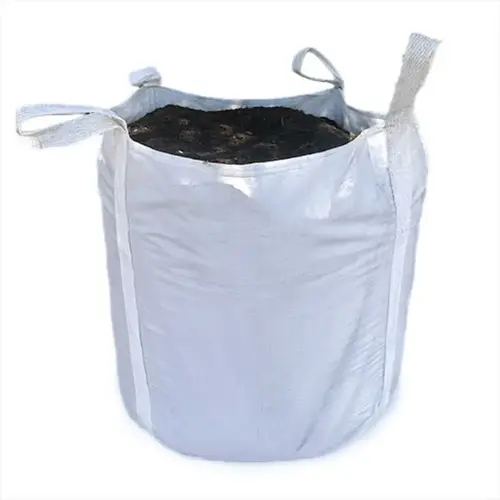
A filled 275 gallon (1,040 L) tote weighs up to 2,330 lbs (1,057 kg) and rests on a few square feet. On an upper floor or an old basement slab, check the loading before you fill it.
Water loss is the other running job in indoor aquaponics. A 275 gallon build shed about 10% of its water a week to evaporation. Your room will not match that number. Your air is drier or damper, and your lights sit at a different height above the tank. Mark the tank at the full line and check it the same day each week for a month. Then you have your own figure instead of somebody else's.
Start small enough that a mistake stays cheap. A fish tank of about 264 gallons (1,000 L) with roughly 32 sq ft (3 sq m) of growing area counts as small-scale, and that fits along one wall of a spare room. Run it through one full winter before you add a second tank. By spring you will know what the lights and the heater cost you, and how the floor held up.
Read the full article: Aquaponics: What Works and What It Costs