
Getting a system built and cycled is straightforward work. Keeping two living populations in balance for a full year is what beats people, and that is where the real aquaponics disadvantages sit. Fish feed cannot supply every mineral your plants need. The fish-to-plant ratio drifts on its own. Disease spreads fast in a closed loop, and the pumps pull power every hour of every night.
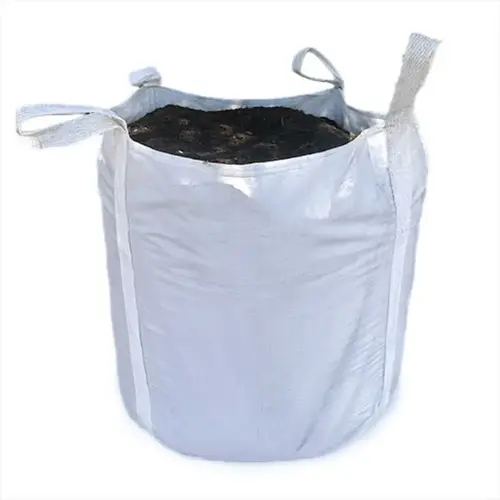
Most of the aquaponics challenges growers report start before the first fish goes in. A 2024 review in the journal Animals reports that 80% of small operators felt too poorly informed to choose the right technology for their site. Those early picks harden fast. Tank volume, pump size, bed area and fish species all lock together, and changing one of them later means draining the system. A filled 275 gallon (1,040 L) tote weighs up to 2,330 lbs (1,057 kg), so it stays where you first put it.
Fish feed was made to grow fish. It was not made to feed a crop, and the research behind nutrient deficiency aquaponics is blunt about that gap. Fish waste does not carry every mineral a plant needs, so healthy fish and stalled plants can sit in the same system on the same day. You end up adding minerals by hand, which means the closed loop you built is not quite closed. That catches out anyone who expected the fish to do all the feeding.
The ratio is the part that asks for real attention. Stock too many fish and the biofilter falls behind, which lets ammonia and nitrite climb to levels that hurt the fish you are trying to raise. Stock too few and the plants go hungry. Both sides keep moving, because fish grow, feed rates change, and a bed of mature plants draws more than a tray of seedlings. There is no set-and-forget number here, so you test the water and adjust.
Disease and pest control is a known weak point in a closed system. You cannot spray a plant pesticide over water that fish breathe, and you cannot dose fish medicine without thinking about the crop and the bacteria in your filter. Everything shares the same water. In soil you pull one sick plant and move on with your day, but here a problem travels the whole loop and your options for treating it are thin.
The loop also leaks. Even a tight system still needs a water exchange near 10%, most of it lost to evaporation and to the normal work of running the place. So the topping up never stops, and neither does the time it takes. The aquaponics disadvantages that wear people down are small jobs like this one, repeated every week of the year.
Power is the line item that has killed commercial projects. Sweet Water Organics in Milwaukee and CERES in Melbourne both closed inside five years, with power costs named as the main reason.
Run one barrel, a handful of fish and a single grow bed through a full season before you scale up. A mistake at that size costs you a few fish and a tray of greens. The same mistake in a 275 gallon system takes the crop with it.
Every one of these aquaponics disadvantages is manageable at a small scale, so test the habit before you spend the money. Run a modest setup through hot months and cold ones, and see whether you still check the water on a Tuesday night when you are tired. That check is what keeps fish alive. Scale up once you have a year of steady water readings behind you.
Read the full article: Aquaponics: What Works and What It Costs