Houseplant · Araceae
Split-leaf Philodendron
Philodendron bipinnatifidum
A little warmth, even moisture, and bright indirect light are all this big, leafy philodendron needs to turn a plain corner into a small green jungle.
Bright indirect
65–85°F · 18–29°C
USDA 9–11
4–15 ft · 1.2–4.6 m
Overview
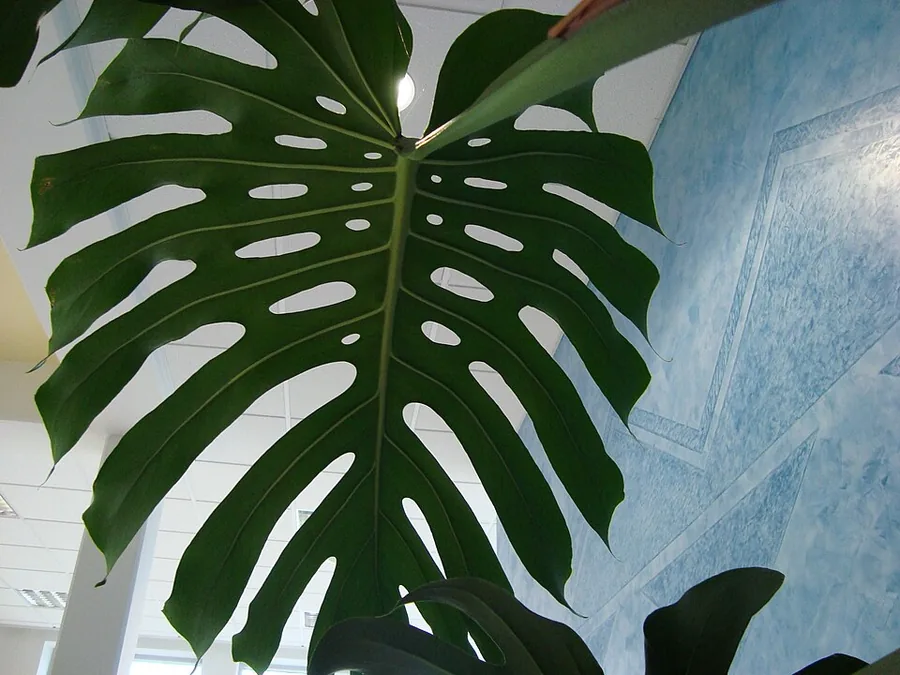
Those enormous, deeply cut leaves are where the split-leaf philodendron gets its name, and they spread out from one stout central stem rather than a climbing vine. It belongs to the arum family and grows wild across South America, where it fills out into a broad, semi-woody shrub. Grown indoors it stays gentler and smaller, though it will still be grateful for a bit of room to open up.
Here is the reassuring part: this is a forgiving, easy-going plant. It wants warmth, plenty of bright indirect light, and a pot that stays evenly damp, and it will shrug off an occasional missed watering far more kindly than more temperamental plants do. As the years pass the lowest leaves drop away and the stem slowly thickens, so an older specimen takes on the shape of a small tree, which is part of the charm.
One kind heads-up before it joins your home: every part carries calcium oxalate crystals that sting the mouth and can leave skin irritated. That makes it a tricky roommate for pets or small children who like to nibble on leaves, and a good reason to slip on gloves whenever you trim it back.
Care
The short version: give it bright indirect light, keep it warm above 65°F (18°C), and let the soil stay evenly damp but never waterlogged, with a monthly feed and high humidity while it is actively growing.
Light
For the happiest growth, settle it into bright indirect light. It copes cheerfully with anything from a bit of partial sun to a fairly shady spot, but strong midday rays will scorch those big leaves, and a truly dim corner will leave it thin and slow to grow.
Water
Aim to keep the soil evenly moist, never soggy, and always empty any water that pools in the saucer so the roots are not left sitting in it. This philodendron does not enjoy drought or a build-up of salts, so water it on a steady rhythm and gently ease back through winter as its growth slows down.
Soil
Pot it into a rich, moisture-holding mix that still drains well and carries plenty of organic matter. An ordinary indoor potting soil does the job nicely, and the plant is relaxed about texture, happily taking clay, sand, or loam anywhere from slightly acidic to slightly alkaline.
Temperature
It feels most at home between 65°F and 85°F (18°C to 29°C) and likes that warmth to hold steady all year. Try to keep it above roughly 70°F (21°C) through summer and above 60°F (16°C) in winter, and always bring container plants inside in good time before any frost arrives.
Humidity
Coming from the tropics, it is happiest in high humidity. It will put up with regular household air without complaint, but the foliage really looks its best when you lift the moisture around it, especially during the dry stretch of an indoor winter.
Feeding
Offer a feed once a month across spring and summer, while the plant is putting on active growth. A diluted water-soluble houseplant food or a slow-release product is all it needs, and a light hand matters, since too much salt in the soil will brown the leaf tips.
Pruning
Happily, there is barely any pruning to do. Just trim off the yellowed, damaged, or spent lower leaves right at the base, and that really is the whole job. Slip on gloves and keep the sap off your skin, as it can leave a rash.
Repotting
There is no rush to repot. Wait until it has clearly outgrown its pot, with roots winding around the surface and creeping out of the drainage holes. Big, established plants only need moving on now and then, and a general-purpose potting soil is perfect when the time comes.
Overwintering
Where winters turn cold, this plant needs to come indoors before frost. It is only reliably hardy outside in about zones 9 to 11, so the easiest approach is to grow it in a pot you can carry in, keeping it above 70°F (21°C) in summer and above 60°F (16°C) in winter.
Size & spacing
Kept indoors it stays pleasantly compact, yet as a landscape plant in frost-free climates it can climb to 4 to 15 feet (1.2 to 4.5 m) tall and open out 6 to 15 feet (1.8 to 4.5 m) across. Give it a generous, open spot, because a grown plant flings those big leaves a long way out from the trunk.
Troubleshooting
Most hiccups with this plant begin either down at the roots or on the leaves, where they show up first. The good news is that catching those early signals usually lets you sort out the cause before it goes any further. Find your plant's symptom below and act while a little care still makes all the difference.
Soft, blackened roots and a wilting plant
Soil that stays wet and never drains is the quickest path to root rot, and it can bring down even a large plant. Ease it out of the pot and look the roots over: the healthy ones feel firm and pale, while rotted ones are brown, mushy, and unpleasant to smell. Snip those dead roots away, settle the plant into fresh free-draining mix, and go lighter with the watering from here on.
Fix:
- Reduce watering
- Repot into fresh well-draining mix and trim away rotted roots
- Ensure the container drains freely
Older lower leaves going yellow
When the lower leaves start yellowing, the culprit is nearly always overwatering or a corner that is simply too dark. Ease off the watering so the soil surface can dry a touch in between, double-check that the pot drains freely, and shift the plant into brighter indirect light. Once a leaf has gone fully yellow, you can gently pull it away.
Fix:
- Let excess water drain and allow the soil surface to dry slightly before rewatering
- Move to a brighter spot with medium to bright indirect light
- Remove badly yellowed leaves
Sticky leaves, fine webbing, or little insects
Dry indoor air tends to draw in aphids, mealybugs, scale, thrips, and spider mites, which give themselves away as sticky honeydew, speckled leaves, or delicate webbing. A small outbreak often wipes away by hand, and after that a treatment with insecticidal soap or horticultural oil clears things up. Keep the plant apart from your others until it is fully in the clear.
Fix:
- Wash or wipe off light infestations
- Treat with insecticidal soap or horticultural oil
- Isolate affected plants until controlled
Leaf tips curling and going brown
Brown, curling tips are usually a sign that fertilizer salts have built up in the soil. Pause the feeding for a while, then run plenty of plain water through the pot to rinse those salts out of the bottom. When you do start feeding again, keep it nicely diluted.
Fix:
- Stop fertilizing
- Leach the soil by flushing thoroughly with water
- Resume feeding only at a dilute rate
Pale, scorched patches on sunny leaves
Bleached, scorched patches on the most exposed leaves are a clear sign of too much harsh direct sun. Move the plant into dappled light, part shade, or bright indirect light where it will be far more comfortable. If you would like to give it a sunnier home, build up to it slowly so the leaves have time to toughen and adjust.
Fix:
- Move to dappled sun, part shade, or bright indirect light
- Acclimate gradually before increasing sun exposure
Dark spots dotted over the leaves
Leaf spot, either fungal or bacterial, tends to settle on leaves that stay damp in still, stuffy air. Water down at the soil so the foliage stays dry, give the plant a little more breathing room for better airflow, and pick off any spotted leaves you find.
Fix:
- Improve air circulation
- Keep foliage dry when watering
- Remove affected leaves
Toxicity
This is one to keep out of reach of anything that might take a bite. Every part holds insoluble calcium oxalate crystals, and a mouthful brings on quick burning, heavy drooling, and swelling. None of it is safe to eat, and the sap alone can bother your skin, so wear gloves for pruning and set the plant up somewhere pets and children cannot get to it.
Toxic to
Cats · Dogs · Horses · Rabbits · Livestock · Birds · People
Cats Toxic
If a cat bites into a leaf, the calcium oxalate crystals set off an instant burning in the mouth. Look out for lots of drooling, pawing at the face, vomiting, and difficulty swallowing. The mouth and throat may swell, and in rare cases that swelling can make breathing hard.
Dogs Toxic
A dog that chews any bit of the plant is left drooling, gagging, and pawing at a sore mouth. Vomiting and a sudden dip in appetite often come next. The signs tend to stay mild and pass within a day, though rare airway swelling is a good reason to phone the vet.
Horses Toxic
A horse feels the same stinging in the mouth and lips from the crystals, which leaves it drooling and unwilling to eat. The sore, swollen tissue keeps a horse off its feed until the irritation calms down.
Rabbits Toxic
The crystals scald a rabbit's mouth just as they do with any animal, so it is best kept well out of reach. Expect drooling and a rabbit that goes off its food, which is genuinely worrying in such a small grazer.
Livestock Toxic
Cattle, goats, and sheep that take a nibble get the same burning mouth, drooling, and swelling. Most walk away after that first bitter taste, but it is wise not to let the plant grow anywhere they graze.
Birds Toxic
A pet bird that chews the leaves feels the same irritation through the mouth and throat, with drooling and clear discomfort. Keep the plant well clear of any bird allowed to roam and forage.
People Caution
No part of this plant is food, and biting a leaf brings a sharp burning of the mouth, lips, and tongue along with swelling and drooling. Even handling it can leave the skin irritated, so wear gloves for pruning and keep it away from small children.
Wear gloves when pruning; the sap can cause skin irritation/contact dermatitis. Keep out of reach of pets and children
Helpline numbers

United States
ASPCA Animal Poison Control: (888) 426-4435 (fee applies)
Poison Control: (800) 222-1222



Canada
Poison Centres: 1-844-764-7669
Varieties
You will not find a long list of named types here, but there is one tidy little cultivar that turns up often enough to be worth knowing.
'Lundii'
'Lundii' is a more compact take on the selloum that keeps to a smaller, neater size than the species, which makes it a lovely fit for snugger spaces.
How to propagate
Making more of this philodendron is genuinely easy if you take the gentle route and divide off the little offsets, and it is only really worth wrestling with seed when you have run out of other options.
DivisionEasy
Spring to summer during active growth · Several weeks to a few months
The simplest way to grow your collection is to separate the little offshoots that appear around the base of a parent plant. Do this in spring or summer while it is in active growth, and give each piece its own pot. Allow the new divisions several weeks to a few months to settle in and put down roots.
Stem cuttingsModerate
Any season, best under warm growing conditions · A few weeks to root
You can also try rooting a stem cutting or air-layering a stem, which you can attempt at any time of year, though it takes best in warm conditions. A cutting usually needs a few weeks to send out roots. Just know that the tree and selloum types root less willingly than the climbing philodendrons, so this route is a little less dependable here.
SeedDemanding
When fresh seed is available · Slow and variable
Raising it from seed is possible, but it is rarely worth the trouble at home. The seed fades in viability quickly unless it has been carefully processed and vacuum-packed, and the seedlings come along slowly and unevenly. Save this method for the times fresh seed happens to turn up and the easier options are simply not on the table.
Myths
Split-leaf philodendron and Monstera deliciosa are one and the same plant.
They actually belong to different genera, even though both are members of the arum family. The name split-leaf philodendron gets attached to Monstera deliciosa all the time, yet a close look tells them apart. Monstera opens up holes in its mature leaves, while this philodendron keeps deeply cut leaves with no holes and grows a stout, trunk-like stem.
The move into the genus Thaumatophyllum has been settled for good.
Back in 2018 a study peeled a group of philodendrons off into the genus Thaumatophyllum, and some databases now list this plant as Thaumatophyllum bipinnatifidum. Kew's Plants of the World Online still treats that name as a synonym and keeps Philodendron bipinnatifidum as the accepted one, so the naming is less nailed-down than it might appear.
Sources
- Plants of the World Online, Royal Botanic Gardens Kew
- Plants of the World Online, Royal Botanic Gardens Kew
- NC State Extension Gardener Plant Toolbox
- Missouri Botanical Garden Plant Finder
- University of Florida IFAS Extension (EDIS FPS473)
- ASPCA Animal Poison Control
- Pet Poison Helpline
- Clemson Cooperative Extension HGIC
- Missouri Botanical Garden Plant Finder