Shrub · Ericaceae
Rhododendron
Rhododendron
Get the acidic soil and gentle shade sorted, and this shrub will thank you with spring flowers for years to come.
Partial shade
Every 3–7 days
USDA 4–8
6–10 ft · 1.8–3 m
Overview
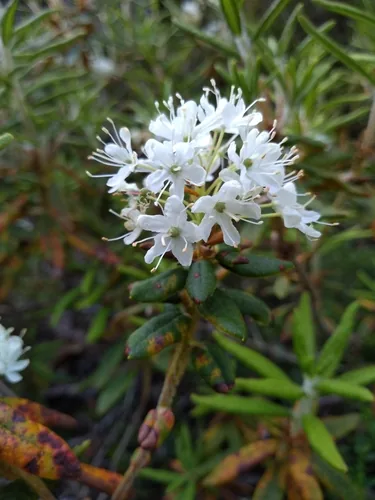
There are few spring sights as cheering as a rhododendron covered in bloom, its branches weighed down with clusters of bell-shaped flowers. It sits in the heath family alongside the azaleas, and its wild relatives grow on cool, shaded hillsides where the soil stays acidic and full of old leaf mould. Understanding that home ground makes the plant far easier than it looks: give it shade above, moisture below, and soil that never turns limy, and you are most of the way there.
These are unhurried, long-lived shrubs. A settled plant can climb to 6 to 10 feet (1.8 to 3 m) and carry on for generations, so you are planting something that will outlast a lot of other choices in the garden. The big evergreen kinds keep their leaves all winter, which is lovely but also their one soft spot, since cold wind can dry those broad leaves out while frozen roots have no water to send up. Choose a sheltered, shaded spot and the plant will ask very little of you after that.
One caution to hold in mind before you dig the hole: the whole plant is toxic. The leaves, flowers, nectar, and stems all carry grayanotoxins, so keep it well away from grazing animals, inquisitive pets, and young children. That is the one thing worth being firm about.
Care
The short version: give it gentle, dappled shade, keep the soil steadily moist, and make sure that soil is acidic and rich in humus but still free-draining. Set the root ball a touch high, shield it from harsh winter wind, and feed it only if it actually shows a need.
Light
Give your rhododendron the dappled, part-shade light it would enjoy at the edge of a wood. It copes with a bit more sun where summers stay cool, and with deeper shade if that is all you have, but blazing full sun scorches the leaves and draws in lace bugs, so lean toward shelter.
Water
Aim to keep the soil evenly moist yet never soggy, because these roots sit shallow and are quick to suffocate in standing water. Water once the ground feels dry about 8 to 12 inches into the soil, roughly every 3 to 7 days during dry stretches, and keep that going into fall so the foliage holds enough moisture to come through winter.
Soil
This shrub really does need acidic, humus-rich soil that drains well, sitting best around pH 4.5 to 6.0. If your ground is heavy clay, dig in plenty of organic matter and plant the root ball slightly high, since waterlogged soil is the surest way to lose the plant.
Temperature
The hardy sorts handle a surprisingly wide span, from about -29°F to 86°F (-34°C to 30°C). Cold on its own seldom does the damage; the real harm comes when frozen roots meet drying wind and the evergreen leaves lose water they cannot replace.
Humidity
Everyday outdoor humidity is plenty, so there is no reading to fuss over. What counts far more is steady soil moisture and a spot out of the wind, the pairing that stops the leaves from drying out.
Feeding
Feed with a light hand, and only when the plant plainly signals a shortfall. Reach for an acidic fertilizer in a 3:1:2 or 3:1:3 ratio such as 12-4-8, and put it down after the spring flowers rather than at planting time.
Pruning
Do any shaping or size-trimming just after the flowers fade, before the buds for next year have set. Pinching off the finished flower trusses, a step called deadheading, sends the plant's strength into a fuller show the following spring.
Repotting
Rhododendrons grow in open ground and hardly ever need shifting. Move one only when you are relocating it, and if a potted plant begins circling its roots up near the surface or simply loses its spark, that is your sign it wants more room.
Size & spacing
Picture a grown shrub of 6 to 10 feet (1.8 to 3 m) tall and 5 to 8 feet (152 to 244 cm) across, and leave it that much elbow room. Space plants generously so air can slip through the branches, which gives disease far less chance to settle in.
When to plant
Plant a rhododendron in the kinder shoulder seasons rather than the middle of summer. Spring or fall gives the roots time to settle in before any real stress arrives, and your reward comes in spring when the flowers open, with a handful of varieties carrying on into midsummer.
Northern hemisphere
Southern hemisphere
Typical months for a temperate climate: start earlier in warm zones, later where spring frosts linger.
- Plant: Spring or fall
- Harvest: Spring (some varieties into midsummer)
Hardiness
USDA hardiness zones: 4–8
Temperature: down to -34°C
Troubleshooting
Most troubles with a rhododendron come down to its roots or the weather, not to anything you did wrong. Soggy soil, drying wind, and a few well-known pests account for nearly all of it. Find your plant's symptom below and step in early, while there is still plenty of room for it to recover.
Drooping shoots and dieback following soggy weather
What you are seeing is Phytophthora root rot, a soil fungus that moves in when the ground stays wet and poorly drained or when a shrub was set too deep. The plant may rally for a day after watering and then slip back, with the roots darkening and rotting below. Do not be discouraged: sort the drainage before planting, sit the root ball high, and part with any shrub that is truly beyond saving.
Fix:
- Improve drainage before planting and avoid wet, compacted sites or areas near downspouts
- Plant the root ball high and amend soil with organic matter
- Remove and discard severely affected plants
Speckled pale leaves with dark dots on the underside
Flip a mottled leaf over and there they are: lace bugs, along with their shiny black specks of waste. They hit hardest on shrubs sitting in full sun and dry soil, and the damage tends to show from late spring on. Coat the undersides of the leaves with horticultural oil or insecticidal soap, and let the ladybird beetles pitch in too.
Fix:
- Apply horticultural oil at the 2 percent summer rate or insecticidal soap, thoroughly coating leaf undersides
- Encourage natural predators such as ladybird beetles
Bronzed and browning leaf margins once winter passes
This is winter desiccation, and it turns up on the windward side after cold, drying winds strip water from the leaves faster than frozen roots can send it back up. Give the plant a good drink in fall before the soil locks solid, and stand a burlap screen about 18 inches out on the exposed side. When fresh growth returns in spring, simply trim off whatever has died.
Fix:
- Maintain adequate soil moisture in fall before the ground freezes
- Erect a burlap or other windbreak about 18 inches from the plant on the windward side
- Prune out dead tissue in spring once new growth resumes
Marked leaves or swollen puffy growth in spring
Most of those spots are just fungal leaf spot and stay purely cosmetic, while the puffy green or white lumps are Exobasidium leaf gall on the freshly opened leaves and blooms. Neither one causes real harm, so there is no need to worry. Trim away the marked leaves and galls, open the plant up for better airflow, and try to keep water off the foliage.
Fix:
- Prune off and discard unsightly spotted leaves or galls
- Improve air circulation and avoid wetting foliage
Toxicity
This is one plant to take seriously around animals. Every part of it, leaf, flower, and nectar alike, holds grayanotoxins, and even a few leaves can make a pet ill or throw a grazing animal into a heart-rhythm emergency. Even the honey bees make from the flowers, sometimes called mad honey, carries the toxin, so keep the shrub and its clippings away from pets, livestock, and children, and phone a vet straight away if an animal swallows any.
Toxic to
Cats · Dogs · Horses · Rabbits · Livestock · Birds · People
Cats Severe
A cat that samples even a leaf tends to start drooling and vomiting within a few hours, then goes weak and wobbly on its feet. A bigger helping lowers the blood pressure and unsettles the heartbeat, which can tip into collapse, so treat any nibble as urgent.
Dogs Severe
Look for a lot of drooling, vomiting, and diarrhea soon after a dog chews any part of the plant. From there the grayanotoxins wear down its strength and muddle the heart rate, and a large mouthful can turn life-threatening, so do not wait to act.
Horses Severe
A grazing horse tends to grow colicky and drooly, then weak and unsteady as the poison sets in. The heart rhythm can slip and a horse may go down, with large amounts proving deadly, so keep paddocks clear of any trimmings.
Rabbits Severe
Never let a rabbit near any part of this shrub. The same grayanotoxins bring on a roiling gut, weakness, and a dangerously uneven heartbeat, and because the body is so small, only a little is enough to overwhelm it.
Livestock Severe
Cattle, goats, and sheep that browse the leaves will drool and vomit, then weaken as the heart rate turns irregular. Hungry animals are the most at risk, and a serious dose can be fatal, so fence the plant away from where they graze.
Birds Severe
Birds are not spared either, since the grayanotoxins press hard on the heart and nerves relative to their small size. Even a taste of leaf or flower can leave a bird weak and out of sorts, so keep them well away from the plant.
People Caution
No part of this plant is food, and chewing the leaves or flowers can bring on nausea, drooling, and a slow or uneven heartbeat. Even honey made from the blooms, the so-called mad honey, still holds the toxin, so keep curious children clear of the shrub.
Keep plants, prunings, and fallen leaves away from pets and grazing animals.
Helpline numbers

United States
ASPCA Animal Poison Control: (888) 426-4435 (fee applies)
Poison Control: (800) 222-1222



Canada
Poison Centres: 1-844-764-7669
Varieties
Most rhododendrons you will come across are either hardy native species or hybrids raised to handle the cold. Here are the ones you are most likely to run into.
Rhododendron catawbiense
A tough Appalachian native, the Catawba rhododendron opens lilac-purple flowers and takes cold down to roughly -25°F (-32°C) without complaint.
Rhododendron maximum
The great rosebay is a large evergreen that unfurls white to pale pink flowers and copes with deep shade better than almost any other.
Roseum Elegans
A strong catawbiense hybrid loved in cold gardens, Roseum Elegans smothers itself in rosy-lilac blooms and stands firm through hard winters.
How to propagate
A rhododendron can be increased in several ways, though none of them happens fast. Which route suits you depends on how patient you feel and whether you need an exact copy of a named cultivar.
LayeringModerate
Spring to summer · One to two years
Layering is the most dependable path for most gardeners, and a gentle one at that. Any time from spring through summer, nick a low branch, pin it down onto the soil, and leave it be; give it one to two years to root well enough before you cut it free as a plant of its own.
Stem cuttingsDemanding
Late summer · Several months to a year
Cuttings ask for patience, so do not feel bad if they are slow. Take semi-hardwood cuttings in late summer, dip the ends in rooting hormone, and keep them somewhere humid; even then they root at their own pace over several months to a year.
GraftingDemanding
Winter · One growing season
Grafting is how named cultivars get paired with sturdy rootstocks. Carried out in winter, a sound union forms across a single growing season, though the handwork is fiddly and better saved for growers with some experience behind them.
SeedModerate
Sow on surface of acidic medium · Several years to flowering
Growing from seed is the long game, but a rewarding one if you are curious. Sprinkle it over the surface of an acidic medium, knowing the seedlings will vary and often look nothing like the parent, and expect several years before the first flowers arrive.
Myths
A rhododendron is only mildly poisonous, so a nibble or two will not hurt a pet.
Every part of the shrub carries grayanotoxins, and even a small mouthful can set off serious heart and nerve poisoning in cats, dogs, horses, and livestock. Treat any rhododendron as dangerous around animals, and ring a vet the moment one has eaten some.
Rhododendrons will do just fine in ordinary garden soil.
In truth they want acidic, moist, well-drained, humus-rich ground at around pH 4.5 to 6.0, and they struggle in heavy clay or limy dirt. Get the soil right before anything else, because no amount of feeding or watering can make up for the wrong pH.