Shrub · Ericaceae
Drooping Leucothoe
Leucothoe fontanesiana
Give it shade, acidic soil, and steady moisture, and this graceful arching evergreen will reward you all year long.
Partial shade
Every 3–7 days
USDA 5–8
2–6 ft · 0.6–1.8 m
Overview
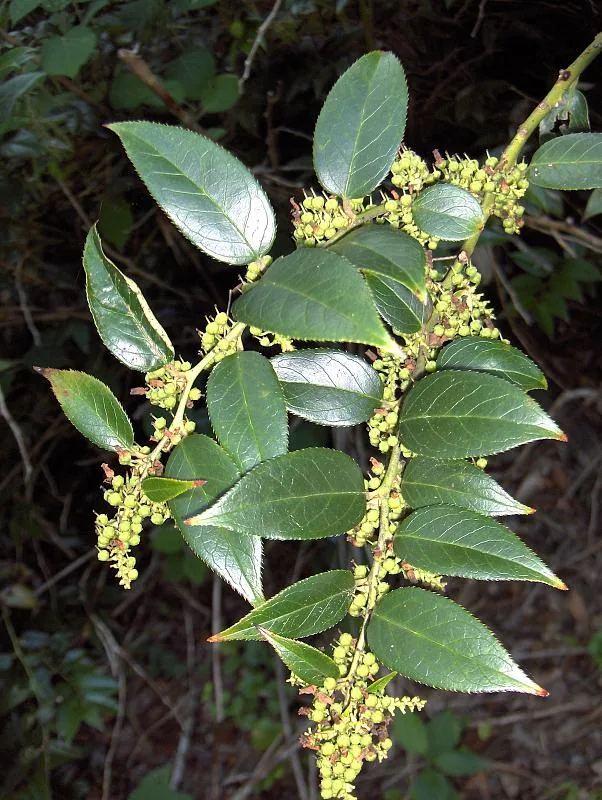
Drooping leucothoe is a low, spreading evergreen shrub that comes from the southeastern mountains, where it settles along shaded streambanks and cool woodland slopes. Its arching stems carry glossy, leathery leaves that hang in soft tiers, and little white flowers dangle beneath the branches each spring. It belongs to the heath family, right alongside azaleas and rhododendrons, so it shares their fondness for cool, acidic, woodsy soil.
If you have a shady corner that other shrubs turn their backs on, this is your plant. It happily fills the dim ground beneath trees and softens the feet of taller plantings. Left to its own devices it suckers into a broad colony, and that habit is where the name doghobble comes from, since its tangle of low stems once caught the legs of hunting dogs in the southern woods.
Growing it well really comes down to keeping its roots content, and that part is forgiving. It wants steady moisture and acidic ground, and it won't put up with drought, drying wind, or hot afternoon sun. Meet those few needs and it asks for almost nothing more, keeping its color through the cold and turning bronze or burgundy in winter.
Care
The short version: give it partial to full shade with moist, acidic, humus-rich soil, keep the ground evenly damp since it can't handle drought, and tuck it out of the wind and harsh sun.
Light
Give leucothoe partial to full shade, which is exactly where it shines. A little partial sun is fine too, but only where the soil stays reliably moist, because sun and dryness together will scorch the leaves.
Water
Keep the soil consistently moist and try not to let it dry out, since this shrub simply cannot bear drought. Watering every 3 to 7 days works well depending on the weather, and a bit more often if you have placed it somewhere brighter and sunnier.
Soil
It asks for moist, acidic, humus-rich soil that still drains freely, and it will happily accept anything from sandy to clay ground as long as those conditions hold. Aim for a pH of 4.5 to 6.0, comfortably on the acidic side, the very range azaleas love.
Temperature
This is a cold-hardy shrub that shrugs off temperatures down to -20°F (-29°C), and it takes summer heat up to around 90°F (32°C) in stride. In the chilliest part of its range, a sheltered spot helps those evergreen leaves come through winter looking fresh.
Humidity
Everyday outdoor humidity suits it just fine, so there is no number you need to chase. Steady air movement matters far more, since stale, crowded air is what invites leaf spot onto the foliage.
Feeding
Feed it once in spring with an acidic, ericaceous fertilizer meant for acid-loving plants. That single seasonal meal is all a slow grower like this one ever needs.
Pruning
Leucothoe is wonderfully low maintenance and rarely needs much cutting. Prune it right after flowering to shape it, and if a colony ever grows leggy or overgrown, you can cut it back hard to renew the whole stand.
Repotting
Most plants go straight into the ground and stay put. If you are growing one in a container, repot every 2 to 3 years in spring, moving up a size when roots start to circle the pot or water runs straight through.
Size & spacing
You can expect a mature shrub of 2 to 6 feet (60 to 183 cm) tall that spreads generously wide, reaching 2 to 8 feet (61 to 244 cm) across as it suckers. Give it plenty of room to form a colony, and space plants so air can move freely between them.
When to plant
Leucothoe is a tough, dependable shrub for zones 5 to 8, and it settles in most easily when planted in spring or early fall, before summer heat or winter cold arrive. It flowers from April to June, hanging pretty rows of small white bells beneath the branches.
Northern hemisphere
Southern hemisphere
Typical months for a temperate climate: start earlier in warm zones, later where spring frosts linger.
- Plant: Spring or early fall
- Harvest: Blooms April to June (spring)
Hardiness
USDA hardiness zones: 5–8
Temperature: down to -29°C
Troubleshooting
In the right spot leucothoe gives you very little trouble, so when something does go wrong it usually points back to the site rather than a pest. Look to the leaves first, because they let you know quickly when the air is too still or the soil too dry. Find what matches below and it is nearly always an easy fix once you tweak the conditions.
Wilting, scorched edges and a shrub that seems to be slipping
When the whole plant starts looking tired, the culprit is almost always drought stress, because leucothoe truly cannot bear to go dry. Wind and blazing afternoon sun pull water out faster than dry or low-acid soil can give it back. The good news is that it recovers well: water it deeply so the ground stays evenly damp, tuck a layer of mulch around it to hold that moisture and keep the roots cool, and give it a more sheltered home away from wind and glare.
Fix:
- Water deeply and keep soil consistently moist
- Apply a layer of organic mulch to conserve moisture and cool roots
- Relocate or screen plants from wind and harsh sun
Dark or brown spotting showing up on the foliage
Don't panic if you notice this: it is usually fungal leaf spot, and it shows up when the air stays still and the leaves stay damp too long. Tightly packed plants and water landing from above give it the opening it needs. You can turn this around by picking off the marked leaves, tidying up any fallen bits, opening the plant up so air can pass through, and pouring water at the roots instead of over the top.
Fix:
- Remove and discard affected leaves and any fallen debris
- Improve air circulation by thinning or selective pruning
- Avoid wetting foliage; water at the base of the plant
Toxicity
This is one to handle with care, since the whole shrub is poisonous from root to flower. Every part holds grayanotoxins, the same heath-family toxin found in azalea and pieris, and even a few leaves can seriously harm pets, horses, and livestock. Nothing on the plant is safe to eat, so keep clippings and fallen leaves away from animals and children, and wash your hands after pruning.
Toxic to
Cats · Dogs · Horses · Rabbits · Livestock · Birds · People
Cats Severe
If a cat nibbles any part, you may first see heavy drooling, then vomiting and diarrhea within a few hours. Keep an eye out for weakness and unsteady steps, and know that a larger mouthful of the grayanotoxins can lower blood pressure and unsettle the heartbeat, which is when it becomes truly dangerous.
Dogs Severe
A dog that gets into the leaves tends to drool, vomit, and have diarrhea before long. The toxin drains its strength and slows the heart, and a big mouthful can lead to collapse, so it is far safer to phone the vet than to wait and see.
Horses Severe
Even a small browse hits horses hard, bringing on colic, drooling, and a dull, low mood. The grayanotoxins sap muscle strength and unsettle the heart, and a serious dose can end in collapse.
Rabbits Toxic
The same grayanotoxins that trouble cats and dogs make this plant risky for rabbits as well. A single nibble can bring drooling, an upset gut, and weakness, so it is best to keep the leaves and any trimmings well beyond their reach.
Livestock Severe
Grazing cattle, sheep, and goats can suffer badly, showing drooling, weakness, and shaky coordination. The poison throws off the heart rate and rhythm, and a large feeding can end in collapse and death.
Birds Toxic
No part of this shrub is safe for birds, since the grayanotoxins carry the same danger from one species to the next. Keep pet birds and backyard poultry away from the leaves, flowers, and any fallen clippings.
People Caution
Nothing here is meant to be eaten, so treat it as a plant to admire and not to taste. Swallowing leaves or flowers can bring nausea, vomiting, and a drop in blood pressure, and it is wise to keep little ones from slipping any part into their mouths.
Keep clippings and fallen leaves away from pets and grazing animals; wash hands after handling.
Helpline numbers

United States
ASPCA Animal Poison Control: (888) 426-4435 (fee applies)
Poison Control: (800) 222-1222



Canada
Poison Centres: 1-844-764-7669
Varieties
Most of the named forms are chosen for their colorful new growth and winter tints rather than their flowers. Here are the ones you are most likely to come across.
Girard's Rainbow
You will love how its fresh growth arrives marbled in pink, copper, and cream over green, which is why so many gardeners reach for it when they want a little color.
Scarletta (Zeblid)
New leaves open a rich scarlet-red, ease into glossy green through the summer, and warm to burgundy-purple once winter arrives.
Rollissonii
This is a tidy, compact form with narrow, fine-textured leaves that give it a softer, gentler look than the plain species.
Whitewater
Its cream-and-green variegated leaves ride along stems that arch with real grace.
How to propagate
Leucothoe is a real pleasure to multiply, because it does so much of the work itself, and the easiest methods simply borrow the ways it already spreads in the wild.
Stem cuttingsModerate
Summer · Several weeks to a few months to root
In summer, take semi-hardwood cuttings, dip the cut ends in rooting hormone, and hold the humidity steady to help roots along. Be patient, since they can need several weeks to a few months to root. This is the fussier path, so don't be discouraged if a few don't take.
DivisionEasy
Spring or early fall · One growing season
Because leucothoe naturally suckers into colonies, division is the friendliest way to make more of it. In spring or early fall, lift the clump and gently tease apart the rooted suckers, and each piece will settle in over a single growing season.
LayeringEasy
Spring to summer · Several months to a year
Those low, arching branches are only too happy to root wherever they rest on the soil. Anytime from spring through summer, pin a branch onto moist ground, let it root over several months to a year, and then snip it free from the parent.
Myths
Leucothoe is a safe, harmless landscape shrub around pets and grazing animals.
It is easy to assume so, but every part of this shrub carries grayanotoxins, the same heath-family poison you find in azalea and pieris. Even a handful of leaves can make cats, dogs, horses, and livestock seriously ill. Give it a home where curious pets and grazing animals simply cannot reach it, and you can enjoy it with an easy mind.